Black Metallized PET Film for Pen Box Sleeves
Nov 25,2026 | FOSHAN CAILONG METALLIC PACKAGING MATERIAL CO.,LTD
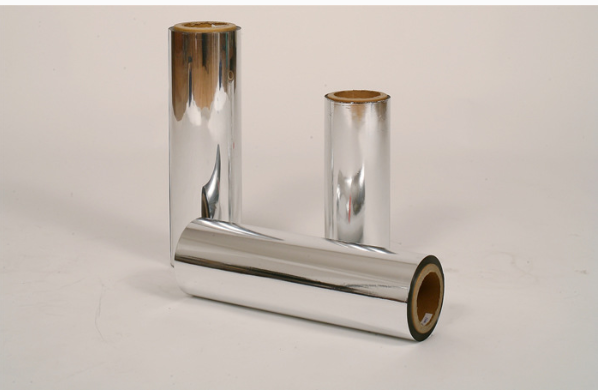
A boxed fountain pen may need a sleeve with a dark metallic accent that becomes visible only when the recipient slides the tray out. The dark film provides a consistent panel in the artwork while selected details can catch the light. black metallized PET film can be evaluated as a decorative laminate ply for that sleeve, with the actual print and board determining the final appearance.
Visit Cailong's film portfolio to find the supplier and provide the proposed sleeve drawing and graphics. Explain which panels should appear dark and where a metallic effect is supposed to remain visible. Give the converter a physical example of the carton and tray if available. How the recipient grips and opens the pack will influence which parts of the visual treatment they are likely to see.
Find the moment where the accent matters
Prepare a simple mockup around the actual pen and tray. Look at the outside while it is on a counter, then pull the inner tray out in the planned direction. A thin accent line near the end may become visible as the tray moves. A wide dark panel can frame the pen after opening, but the same panel on the outside can hide small type if it reflects an overhead lamp.
Choose a priority for each face. The printed name needs to stay readable during selection and identification. The decorative film can support a more deliberate appearance where the viewer has time to inspect it. Mark the key views on the proof so the color and the metallic finish are assessed in the intended context.
Use a sample of the actual dark material
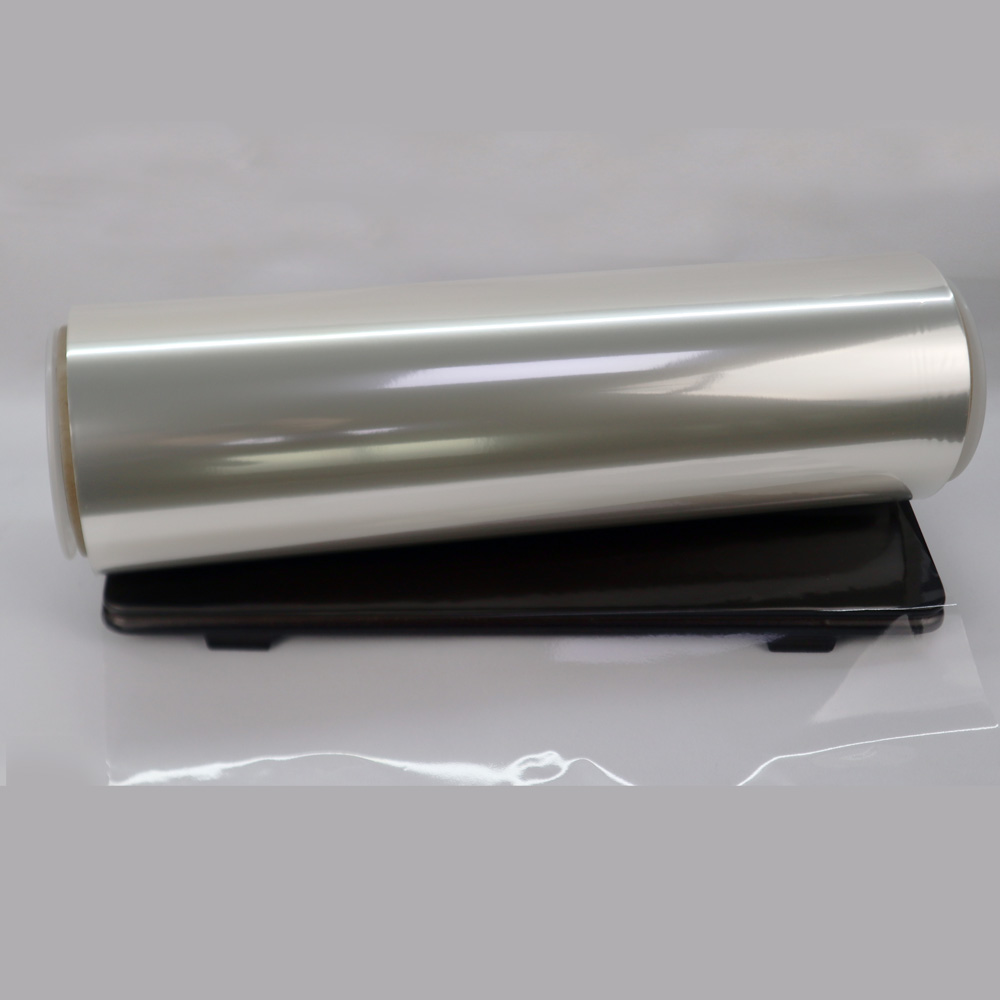
Cailong offers a black metallized PET film for decorative and packaging conversion. Request the offered finish as a specimen large enough to cover a full panel. Ask the converter which face will be visible and which will bond to the backing. A sample that appears uniformly dark when flat may behave differently at a curved corner, against a bright printed area, or under side lighting.
Compare the proposed material with the current printed black board and any foil accent. Use the same artwork and sample dimensions for the first comparison. If black print remains on top of the film in some areas, vary coverage in a proof to see where the metallic effect is retained. Keep a record of each ink and film stack so two similar-looking proofs are not confused.
Design around the slide and corners
Fit the sleeve around the actual tray and check where surfaces meet. A corner near the finger cutout can see repeated contact as the tray is opened and closed. Note where the sleeve is held during packing and whether protective material is removed before display. Make these details part of the proof rather than qualifying the decorative field on a flat board only.
Ask the converter to prepare examples with the planned folds and score lines. Mark any region where a printed accent crosses a fold or runs close to a cut edge. View the element before and after the sleeve wraps the tray. If a different film gauge or adhesive is proposed to suit fabrication, identify that change on the sample and check the appearance again.
Confirm which marks must remain easy to read
Print the pen color, point size, and item code exactly as they will appear. Check the code in the position a distributor uses for picking and scanning. A glossy dark area can show glare or reduce visual contrast depending on the ink and light. A small opaque print field can support scanning without changing the rest of the sleeve's appearance.
Set several carton versions together. This shows whether each reference remains clear when the whole series uses a common dark film. If a special edition uses a foiled accent or another layer, retain it as its own proof. The photographer and distributor can use the approved examples to represent the finished pack consistently.
Include storage, transport, and opening
Pack the sleeves in their actual shipping case and examine contact against neighboring cartons or protective inserts. Check the dark face under the same conditions before and after the representative handling trial. If a line or spot is seen, note whether it comes from touch, rubbing at a fold, or contact in the carton. Different causes can lead the converter to different adjustments.
Have staff open several samples at normal speed. Check how the tray slides and whether the sleeve returns without the film catching along the edge. Retain an example that went through the whole sequence as well as a flat specimen. The two give purchasing and the maker evidence about the appearance and handling the brand selected.
Give the supplier a proof and a destination
Include the film gauge and roll dimensions, visual face, backing and adhesive, artwork, and desired finish. Confirm which party will approve the decorative look and which will approve conversion. If the inner tray or outer artwork changes, repeat the affected views with the new assembled pack rather than extrapolating from a proof for an older configuration.
The buyer is choosing a film to produce a specific dark metallic effect while the carton still identifies and presents the pen. Keep the approved carton, artwork, and incoming film reference together. Then a future purchase can be compared with the version that passed the opening, display, and handling review.
If the sleeve is put into another box for a gift set, check what the recipient sees when that second package is opened. The first view may show a side panel that was treated as secondary in the single gift box.
If a separate gift box uses the same sleeve at a larger size, check it under the intended display lighting before applying the original finish approval. A larger uninterrupted field may present reflections that were difficult to see on the original small box.
Comment