Partially Metallized PET Film at Package Folds
Nov 10,2026 | FOSHAN CAILONG METALLIC PACKAGING MATERIAL CO.,LTD
A clear strip beside a metallic area can look sharp on the incoming roll and develop a bright line when a package is folded. partially metallized PET combines metallized and transparent zones on a film web. If the design runs the boundary near a fold, evaluate the appearance in that geometry and determine whether the feature is caused by reflection, a misplaced fold or damage to the converted structure.
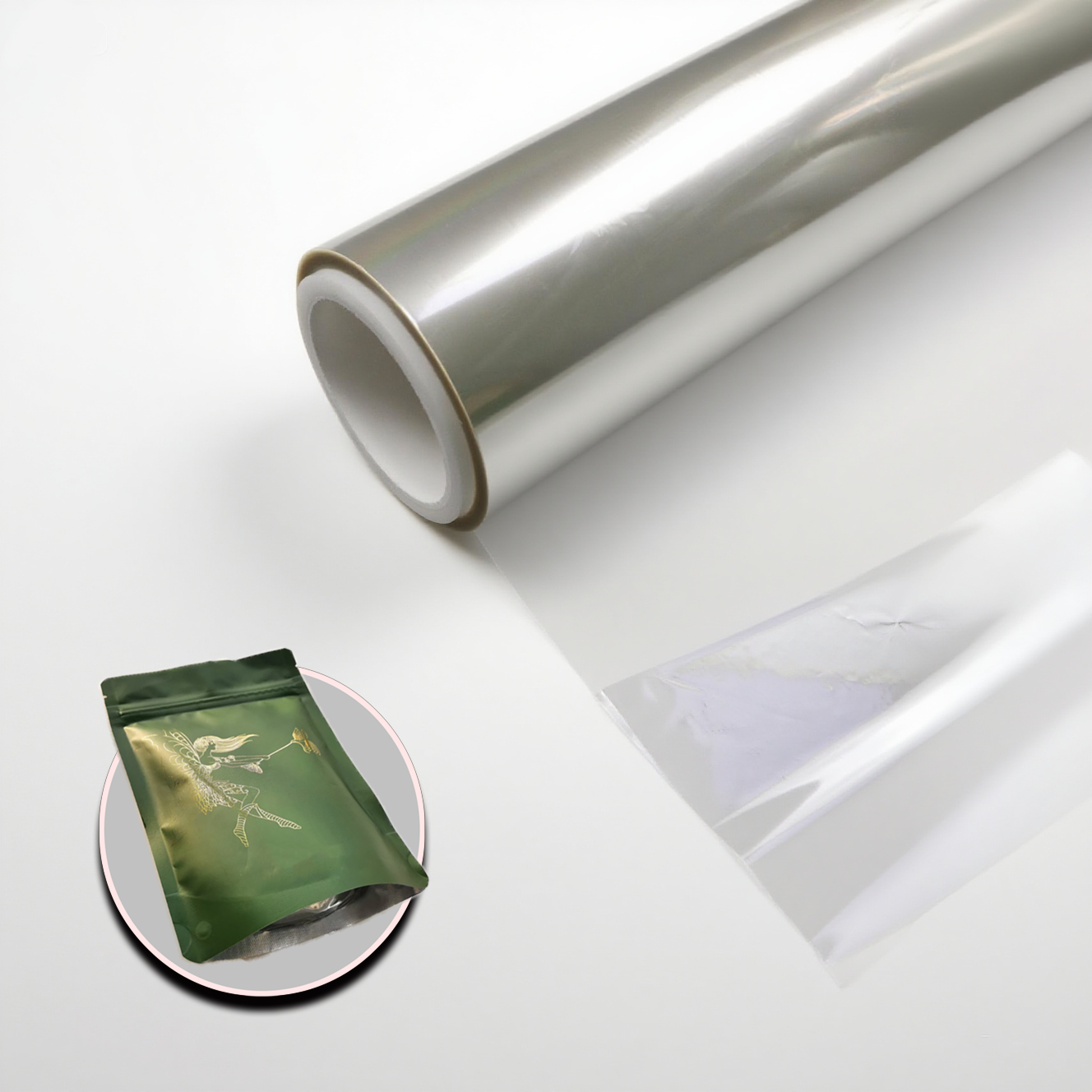
Cailong's film portfolio lists partially metallized PET film for applications that combine a metallic finish and a transparent zone. Confirm the actual width and orientation of each zone with the supplier. The film choice sets the position of the coated and clear regions on the web. The packaging trial establishes how their boundary appears after printing, lamination and forming.
Draw the boundary on the formed package
Show the desired metallic and transparent regions on the finished article. Mark where the package bends and how it is viewed. A boundary placed on a flat artwork drawing may cross a curved region after conversion. If the clear section must show a product or remain outside a fold, state that requirement explicitly.
Use a consistent reference edge when checking the zone width and its position. Record the film direction and the web side viewed. Mark the position of the fold on a retained flat sample so a converter can compare the expected geometry with the part. A narrow border can look misplaced even when the web dimension is correct.
Compare light from both sides
Inspect the sample under reflected light and transmitted light using representative conditions. A highlight can follow the shape of the folded face when the viewing angle changes. A discontinuity in the coating may also be visible in transmitted light. Photograph the same location in both setups and note which observations remain after the sample is repositioned.
Use the intended fill or a representative backing when evaluating the final appearance. The transparent zone can reveal differences in background, while the metallized area responds strongly to reflection. A clean inspection table and a loaded pouch present different viewing conditions. Record the one the customer uses to accept the part.
Locate the feature relative to the fold
Mark the first appearance of the line and whether it stays with the boundary or follows the fold when the part is opened out. Retain unformed material and a formed sample from the same area of the roll. Where the feature remains after unfolding, use a suitable inspection method to see which surface or layer changed.
A line appearing in both acceptable and affected lots may be part of how the chosen geometry reflects light. Compare whether its intensity or length exceeds the visual reference. If a local change is visible only on one lane, review its forming position and the corresponding film section rather than averaging across the complete web.
Trial two boundary positions on the same construction
Ask the converter to compare the planned arrangement with a version that places the boundary at a different distance from the fold. Keep the film grade, print, adhesive and forming arrangement as comparable as practical. Identify any artwork or size change needed to make that comparison. The goal is to isolate whether position influences the line.
If the position cannot be varied without changing the package, use the available samples to make a construction comparison and report the limitation. Keep a physical record of the finished shapes. A trial in which two variants differ only on paper will not show whether the fold lands in the intended place on the line.
Inspect any reference at the same stage of folding as the production sample. A part that is merely creased may reflect differently from one held in its finished shape. Record how the corner was supported during viewing.
Review how print interacts with the two zones
A reverse print or opaque graphic can cross the metallization boundary. Inspect whether it changes the apparent width of the clear area or creates an additional visible edge. Map the artwork relative to the coating and fold. Use samples with the actual print when judging the final appearance, even if unprinted material is useful for diagnosis.
Agree with the printer on the reference for artwork alignment and with the converter on the reference for the fold. A visible feature can involve the combined variation of both operations. Measure their positions separately and show the resulting appearance on the final part. This lets each team check its own contribution.
Keep protective claims tied to the whole package
A transparent zone and a metallized zone may serve different functions. Identify the relevant barrier and light requirements and test the intended construction accordingly. A value for a fully metallized specimen does not represent every location of a package that contains a clear area. Include the areas that affect the product protection requirement.
Where a fold appears to have damaged a local layer, retain the affected portion for evaluation. Ask the laboratory to select a specimen and method that can examine the feature of interest. Also check integrity where the geometry involves a seal. These decisions should follow the actual application rather than a general claim about metallic appearance.
Give purchasing a formed reference
Record the selected film, zone widths, coating side, layer order and allowed position of the fold. Include the accepted viewing conditions and a representative formed sample. If the customer rejects a bright line, show the affected location and whether it was detected in reflection, transmission or both. The supplier can then compare a later roll with the same boundary specification.
Partially metallized PET is useful when the design needs visibility beside a metallic surface. An approval built around the formed package helps the buyer keep that appearance consistent and establish whether an observed line requires a layout adjustment, a converting change or a closer look at the material.
Comment