High Barrier Film: Two Layers or Three?
Sep 15,2026 | FOSHAN CAILONG METALLIC PACKAGING MATERIAL CO.,LTD
High Barrier Film does not determine how many layers a package needs. A two-layer laminate can reduce material and interfaces, while a three-layer laminate can separate printing, barrier and sealing functions. The correct choice depends on what each web must do after filling and distribution.
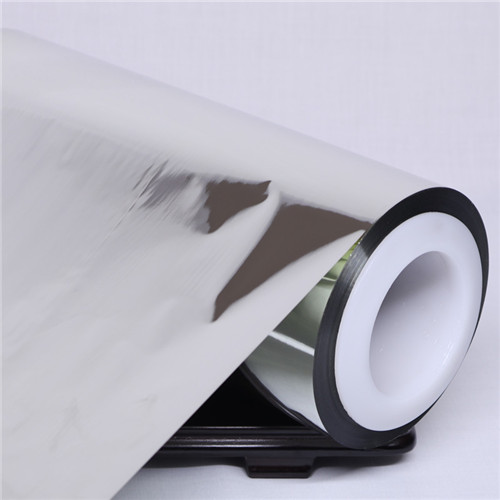
A Metallized Film Supplier should receive a functional structure brief, not only a request for the lowest OTR. Cailong’s VPET-GZ range is intended for applications needing stronger oxygen and moisture protection than general-purpose VMPET, but the metallized PET remains one component of the finished pack.
Start with Functions, Not Layer Count
List the required functions: graphics, stiffness, light shielding, oxygen barrier, moisture barrier, aroma retention, puncture resistance, heat sealing and product contact. Then assign each function to a layer. If one film can perform two compatible roles without losing process stability, a two-layer structure may deserve testing. If the roles conflict, a third web can provide useful separation.
What a Two-Layer Structure Must Prove
One possible evaluation structure is printed metallized PET / adhesive / PE. The metallized PET would carry appearance and barrier functions, while PE provides sealing and product contact. This arrangement removes a separate print web, but printing, metal protection and lamination must all work on the available surfaces.
The converter should check whether inks or press rollers disturb the metallized side, whether bond strength develops consistently and whether seal-jaw heat affects appearance or curl. Registration and reverse-print options may be more limited than in a structure with a dedicated outer web. A simpler bill of materials is useful only if scrap and complaints do not rise.
Why a Three-Layer Laminate May Be Safer
One possible three-layer construction is printed PET / high-barrier metallized PET / PE. The outer PET handles graphics and surface abuse, the middle metallized PET supplies barrier and light shielding, and the inner PE forms the seal. The barrier web is protected between adjacent layers, and the printer can optimize the outer web separately.
The tradeoff is another adhesive interface, more total thickness and additional converting control. Each bond must cure, and differential tension can create curl or wrinkles. The extra layer should solve a named problem—such as print protection, stiffness or barrier protection—not exist merely because the previous package used three films.
Compare Structures with the Same Finished Test
Prepare both structures at the intended production width and speed. Measure OTR and WVTR using identical conditions after cure, flexing and pouch conversion. Check bond strength at every interface, seal-window performance, hot tack where relevant, pouch drop or compression behavior, curl, stiffness and opening feel.
Use the real product in shelf-life work. Oils, flavors, powders and residual moisture can affect seals and adhesive interfaces differently. If light protection is important, expose finished packs rather than relying only on the optical density of the metallized web.
Make the Commercial Decision after Conversion
Compare total converted cost, not film price per kilogram. Include adhesive, energy, machine time, yield, slitting waste, pouch-making speed and expected rejection risk. A two-layer structure may use less material but require tighter process control; a three-layer structure may cost more yet provide a wider production window.
For a focused structure review, send Cailong the current laminate, target barrier conditions, product sensitivity, package format, printing route, filling process, sealing method and required distribution tests. The result should be a trial matrix for two or three layers, not a universal rule that one construction is always better.
Comment