Metallized PET Film: Laser Coding Trials
Oct 19,2026 | FOSHAN CAILONG METALLIC PACKAGING MATERIAL CO.,LTD
Metallized PET Film can create a useful visual background for package graphics, but a readable laser code does not prove that a high-barrier pack remains intact. When a converter introduces non-contact date or batch marking, the development question includes which layer receives the mark and whether the underlying protective construction changes.
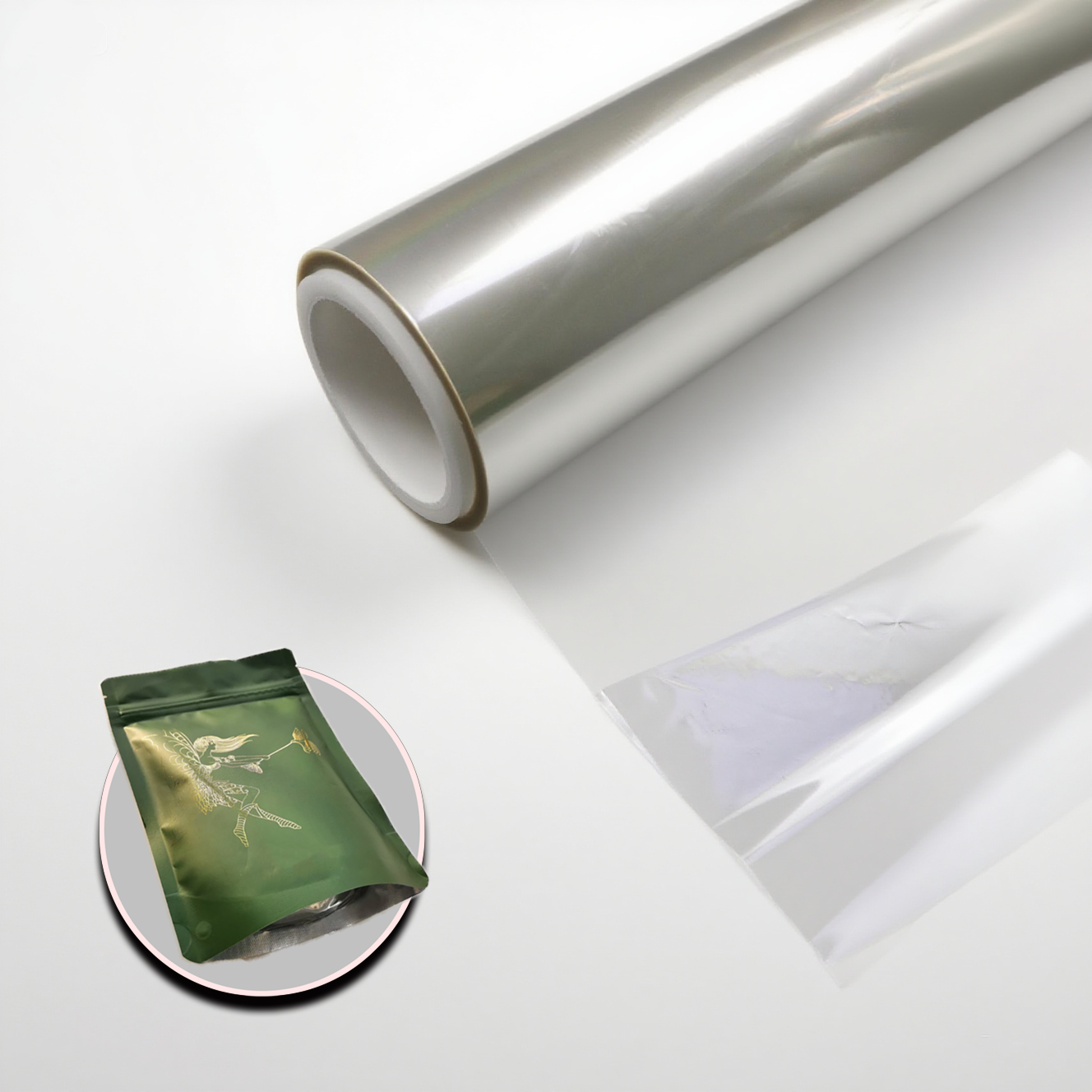
Cailong's film portfolio offers ultra-high-barrier PET metallized film for food and other packaging applications. Its product page identifies a PET-based metallized range and warns that final performance depends on the composite process. It does not describe the film as laser-marking qualified. A coding trial therefore needs the actual laminate and marking equipment, with legibility and package protection assessed as separate outcomes.
Establish what the laser is intended to change
A package may be marked by altering a dedicated coating, changing an ink layer or removing part of a surface. These approaches need different material behavior. The selected equipment and coating supplier should explain the intended interaction. Without that definition, a dark or bright mark provides little evidence about where the energy acted within the package wall.
Write down whether the design intends to preserve the metallized layer. If removing metal is part of the marking mechanism, assess the resulting local loss of barrier explicitly. If the target is an outer ink or coating, investigate whether that process still affects lower layers. The appearance of the finished code cannot establish either point on its own.
Map the laminate around the marking zone
One possible structure for evaluation is printed PET / adhesive / metallized PET / adhesive / PE sealant. The outside PET carries decoration, the metal-coated PET supplies a barrier function, and the inner PE supplies the sealing surface. Adhesives hold the construction together. This is a proposed coding-trial construction, subject to confirmation by the converter rather than a certified laser-compatible stack.
Locate the artwork, white background and any dedicated marking patch within that structure. A small change in code position can place the beam over a different ink coverage or laminate feature. Keep the marking zone away from uncertain construction changes during initial evaluation. Once a stable arrangement is identified, test the actual production artwork rather than assume a plain trial patch represents it.
Compare the code with an unmarked control
Retain matching specimens from the same laminate, with and without coding. Use the normal intended mark and the relevant process variation agreed with the equipment supplier. Label the samples by settings and code location. This approach allows the laboratory to distinguish the effect of marking from pre-existing barrier variation or an unrelated converting defect.
Inspect the marked region for surface disruption, distortion, local separation and damage extending beyond the intended characters. A full visual field is useful because a code can remain readable while a nearby area is affected. Where required, use a suitable examination method to identify the layer involved. The product supplier should not have to infer damage depth from a photograph of the code alone.
Decide how to measure local damage
Barrier testing of a large specimen can underrepresent a small damaged code zone. Conversely, a selected test opening may overemphasize it relative to the full package. Discuss specimen geometry and interpretation with the laboratory. The test must answer how the marked region contributes to the intended package's oxygen or moisture protection, with its area and location kept explicit.
The published film range lists barrier values but does not provide the temperature and humidity conditions needed for direct package calculations. Request current conditioned data for the selected grade. Then assess the coded laminate using an agreed method. A flat incoming film specification does not establish the barrier of a marked, folded and sealed package.
Include motion and line stops in the trial
The web's presentation to the coding head can change during normal production. Speed variation, vibration or package positioning may alter the mark or concentrate treatment in an unintended region. The coding equipment supplier should define the safe operating arrangement and interlocks. The film trial should use that arrangement rather than a manually positioned sample that avoids the production challenge.
Compare code quality at the expected running conditions and relevant transitions. A blurred or displaced mark may become a traceability problem even when the barrier remains acceptable. An overly aggressive setting chosen to correct poor contrast may create a different material problem. Record both results so that adjustments do not optimize appearance while silently changing the package wall.
Qualify readability after distribution handling
Code acceptance should include the intended reading method, whether a person, a scanner or a verification system. Contrast that looks good on a flat silver background can behave differently on a curved filled pouch. Examine the actual viewing angle, lighting and package shape. Define the required reading performance with the customer instead of relying on a close-up image from development.
Handling may scuff a surface mark or bend the region supporting it. Review the code after the package's relevant storage and distribution sequence. If the code crosses a fold or seal, its practical visibility may change even without material damage. Positioning the mark in a more suitable panel can be a useful design change, provided the revised location receives the same material assessment.
Choose the marking route against the package requirement
If the process achieves the desired code but compromises protection, examine a different marking patch, layer arrangement or coding technology. The best choice depends on the package function and production constraints. No general claim that metallized PET is laser-ready follows from its metallic appearance or high incoming barrier.
To evaluate a coded metallized package, supply the laminate drawing, selected film grade, marking mechanism, equipment details and code dimensions. Include the intended location, production speed and the required readability and barrier criteria. A set of marked and unmarked samples gives the converter a practical basis for deciding whether the proposed coding operation can be incorporated without weakening the package's protective role.
Comment