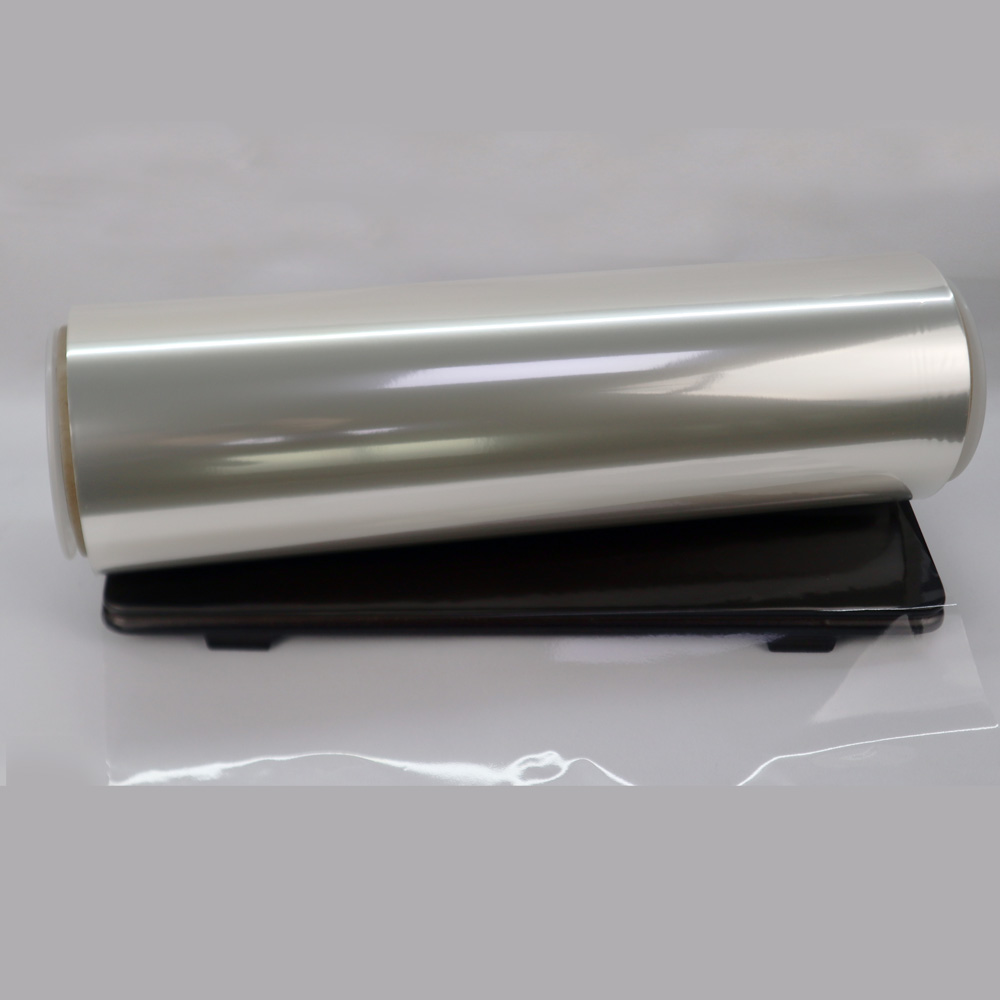
Plain PET Film for Cartridge Protection
Nov 24,2026 | FOSHAN CAILONG METALLIC PACKAGING MATERIAL CO.,LTD
A manufacturer of sealed sample cartridges may need to ship a transparent face with temporary protection that leaves the printed identifier easy to read. One candidate is a clear polyester carrier web used within a removable protective laminate. plain PET film is a base film a converter can compare for that carrier role. The adhesive, contact surface, and removal requirements belong in the same evaluation.
Go to Cailong's film portfolio for the supplier and describe the carrier's intended job in the removable construction. Include the protected surface, size of the removable piece, delivery orientation, and who removes it. Show whether the technician must read a cartridge code through the protection and whether the tab will stay clear of the cartridge opening. Those facts determine the kind of sample needed.
Walk through packing, identification, and removal
Start with a cartridge as it leaves the assembly cell. Look for the surface where handling marks arise and where the label or permanent print sits. A single protective piece may cover both, although the identifier needs to stay readable until the receiving team has confirmed the content. Position the edge and tab in a part of the face that leaves that reference visible.
Have someone who normally opens the shipping pack follow the instructions on a mockup. Watch where they hold the part and where they start lifting the protection. Where the clear piece is hard to see, a tab outside the reading area can make it easier to identify the removable layer. Confirm that the tab remains reachable when a cartridge is delivered inside a sleeve or a close-fitting tray.
Define the carrier and adhesive as separate choices
Cailong lists clear polyester film for printing and lamination. Ask for the film finish, gauge, and available treatment for the candidate web. A converter can then propose the adhesive and the rest of the protective construction. A plain PET film specification identifies a carrier, while the bond to a cartridge face and the release action have to be assessed with the adhesive system in place.
Request prototypes made on actual carrier and adhesive combinations. Compare a sample based on the current protective layer, if available, and a candidate based on the clear PET. Keep the total footprint, tab, and installation sequence comparable. That permits the buyer to see which differences come from handling the carrier and which come from the adhesive or a changed contact area.
Check the visible field before and after transport
Use cartridges with the intended graphic or code and inspect them in the position from which the receiver reads them. A clear protective web may produce an additional reflection if it spans a curved corner or bridges a raised label. Check whether the effect persists when the cartridge sits in its tray. If the label is scanned, include the scanner and reading positions used in the assembly or receiving area.
Place several fitted cartridges in the expected shipping configuration. Examine the clear face after ordinary transport handling and after time in storage under the conditions agreed for the application. Look at the outer protection and the permanent cartridge face separately when samples are returned for examination. Save a photograph before lifting the protection so any observation can be matched to the installed state.
Put the removal task into the acceptance check
Arrange the sample sets by adhesive and carrier combination and label each clearly. Use the actual cartridge surface and finish throughout the evaluation. Include examples from the earlier and later points in the planned holding period if the product team expects a range of dwell times. Record where the film begins to lift and whether the carrier stays manageable during removal.
Where a cartridge has raised features or adjacent covers, check whether the temporary piece interferes with the order of unpacking. A tab hidden by the tray can force the receiver to grip the middle of the protection. Try a version with the tab moved before changing the whole laminate. Keep the accepted drawing and drawing revision with the approved material sample.
Specify the roll for the conversion line
Tell the supplier whether it is quoting plain film stock or supporting an inquiry from a converter who will make the temporary laminate. Confirm delivery form, roll width, finish, thickness, and face identification where required. Ask the converter to assess any print on the protection separately from the code on the cartridge. Small instructions and removal marks should be evaluated at final size.
If production uses several cartridge widths, identify the drawing for each removable piece and review the way they are stored. Include the largest clear field and the smallest tab in the trial. A common stock can support multiple outlines if the converter and receiving team can identify them reliably. Mark the part family on the interim packaging so the wrong size does not reach the line.
Approve a carrier with the whole protective layer
Retain an approved roll specimen, an installed sample, and a clean cartridge reference. Record which permanent surface was used and which holding conditions the sample experienced. Include any acceptance limits established for the removal action and for printed information visible before opening. Check whether the user needs a separate surface preparation step before fitting the production piece.
By comparing the carrier in a finished protective laminate, procurement can connect a plain PET roll specification to the actual delivery requirements. The buyer gets evidence that the temporary layer can be handled and removed predictably, and the receiving team can still identify the cartridge while it is protected. Both outcomes can be checked using the same representative sample set.
If cartridges are sold in pairs, keep a paired sample in the evaluation. Make sure the protected face is visible when both parts are seated and that neither tab catches during removal from the shared tray. Record the pack orientation on the approved photograph.
Comment