Metallized BOPP Film for Coffee Sample Packs
Nov 11,2026 | FOSHAN CAILONG METALLIC PACKAGING MATERIAL CO.,LTD
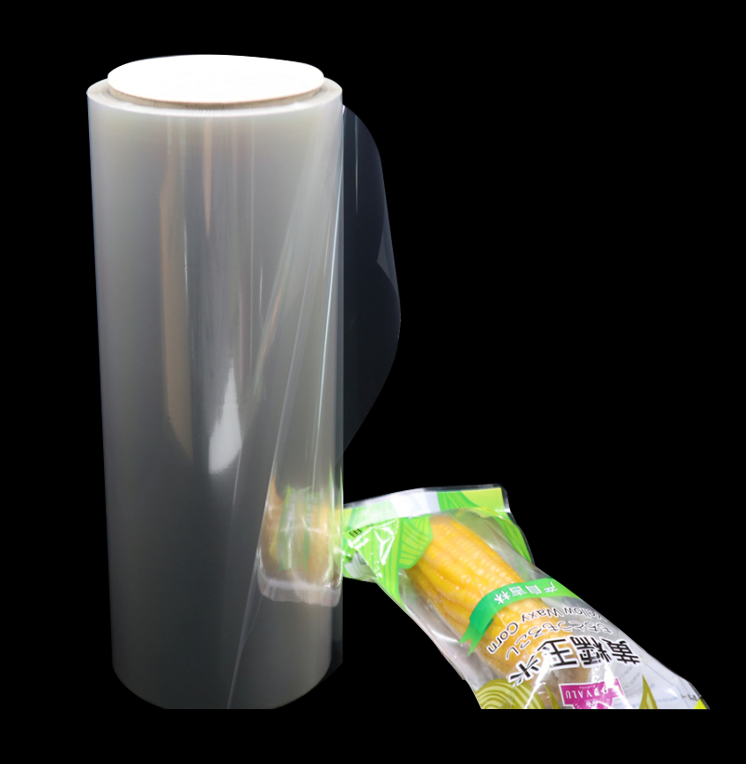
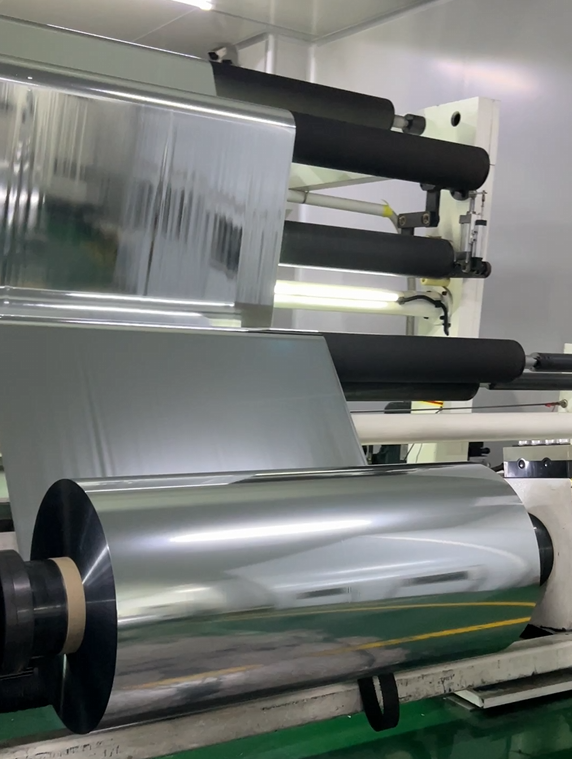
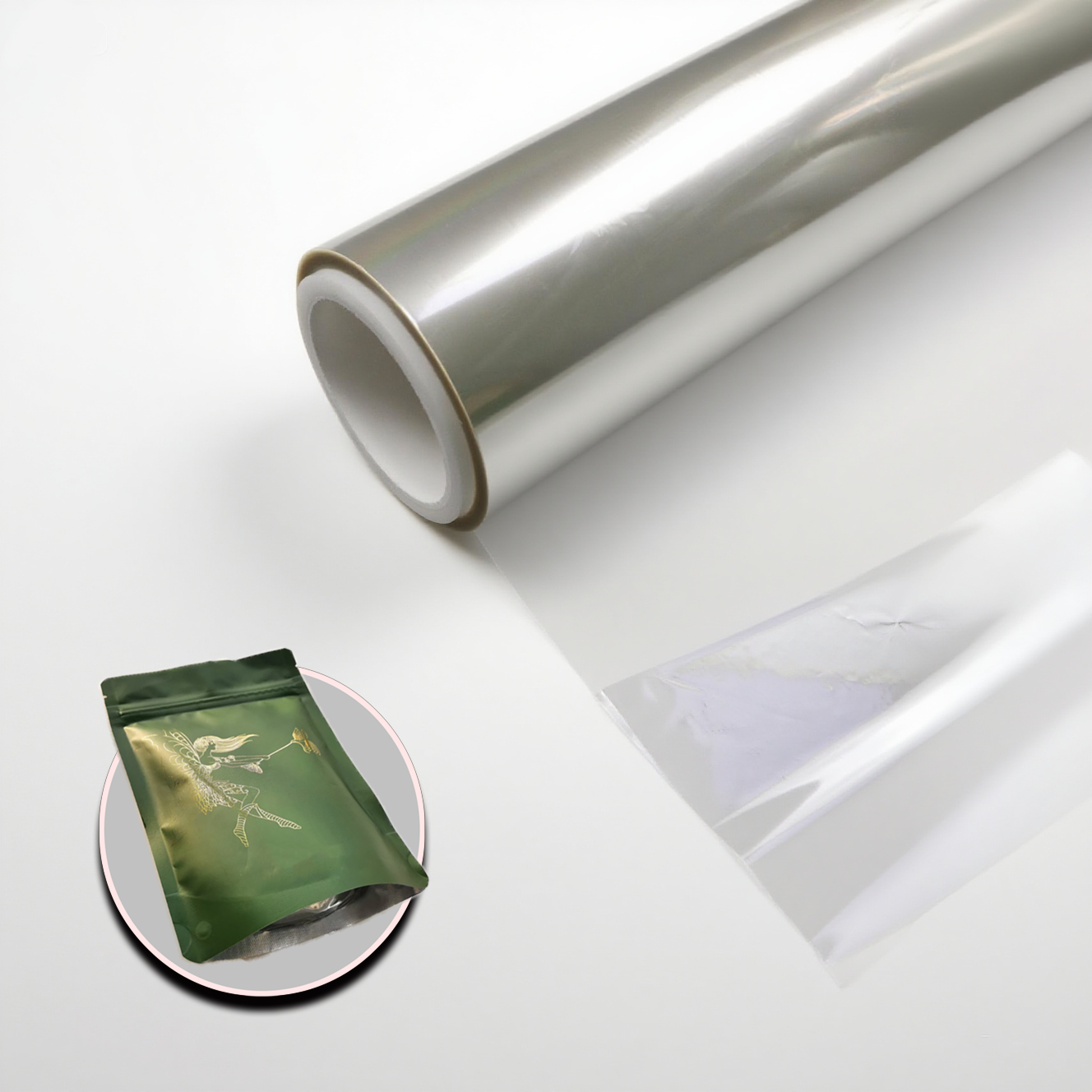
A small coffee sample pack can use a high barrier web and still leave the buyer unsure which film grade to order. metallized BOPP film offers a polypropylene substrate with deposited aluminum for packaging that needs oxygen, moisture and light protection. For a small format, compare the material with the actual fill, seal layout and storage plan so the purchase specification reflects the complete sachet.
Cailong's film portfolio lists high barrier metallized BOPP for flexible packaging development. The available grade information supports selecting trial rolls. Confirm the offered gauge, aluminum attachment and transmission test basis. A material quotation becomes more meaningful when the supplier knows the coffee format, expected storage and the layers that will surround the metallized web.
Define the sample's intended life
Clarify whether the pack is used immediately at an event, mailed to a customer or stored before distribution. The required period and conditions influence the protective requirement. Record the coffee type, fill mass and initial packing conditions. A whole-bean sample and a ground-coffee sample may create different handling and product-evaluation questions.
Ask the product team to define acceptance for the actual sample. A trial may include relevant aroma or sensory assessment as well as oxygen, moisture or integrity measurements. Use an approved method for each requirement. A transmission reference can help screen the film, while aroma behavior requires evidence appropriate to the filled pack.
Keep the small format visible in the design
Draw the pouch dimensions, seal widths and usable fill area. Small packs can have a different relationship between wall area, product mass and sealed perimeter from a larger retail pouch. Document that geometry when comparing formats. A result from the larger bag may be useful background but leaves a separate question about the sample sachet.
Identify the corners or intersections where the sachet is opened. The designer may need a tear feature or grip area. Keep that feature in the trial pack because it changes the region the user handles. Check how coffee particles or a shifting fill affect the seam during the intended filling operation.
Assign each layer a function
Show the print web, metallized BOPP, adhesive and sealing layer in the candidate laminate. Confirm the actual layer arrangement with the converter. If the project aims to use mostly polypropylene, a compatible PP sealing route can be investigated. Each material still needs to be matched to the process and intended product contact.
Compare the candidate with the current sample pack using the same fill and dimensions where practical. If the existing pack uses a different polymer or foil layer, list which functions change in the replacement. Metallic appearance, wall stiffness, sealing and opening may all matter to acceptance. Record those requirements before choosing a gauge.
Request barrier data that can be compared
Obtain the transmission method, units, temperature and humidity for each offered grade. Keep the gauge and specimen construction with the result. The supplier may provide film data while the converter provides laminate data. Label both clearly and avoid treating them as interchangeable values for the completed coffee pack.
Where a claim depends on a particular test condition, preserve it in the trial brief. Do not fill absent conditions with a familiar value from another film. The material supplier should confirm the basis of the quoted figure. This lets purchasing compare options against the intended protection requirement without overstating the data.
Check filling and seams on representative packs
Collect packs from the relevant points in the trial run and record their locations. Inspect where coffee reaches the sealing region and assess integrity using the agreed method. Include samples that follow the intended downstream handling. The pack sent to a customer should be represented in the qualification, including any secondary carton or envelope used in distribution.
If the coffee is packed with a defined gas process, record the starting condition and the timing of measurements. A later oxygen reading may reflect both the package and the initial fill. Work with the packer to select controls that help interpret the change. Keep package identity linked to each measurement.
Evaluate the package the recipient will open
Use the intended tear feature and grip in opening trials. Assess whether the coffee can be dispensed with a controlled movement and whether fragments or an erratic tear affect the experience. A flat strip's tear response cannot reproduce every interaction in a filled sample sachet. Retain the actual opened packs with their orientation marked.
Inspect the graphics, metallic presentation and legibility in the completed format. A small pack can place more artwork near seals or folds. Compare it with an approved reference under defined viewing conditions. These observations can identify a layout change before the converter makes another material revision.
Place a practical sample order
Provide the supplier with the metallized BOPP grade requirements, roll dimensions, proposed stack and coffee fill information. Include the storage objective, seam layout and evaluation plan. Ask for a trial quantity that can be converted on the intended line, with the batch identity available for follow-up testing.
If sample packs are mailed in an envelope or placed in a promotional kit, retain that arrangement in a separate handling group. A test on loose sachets may omit compression, rubbing or folds produced by the kit. Record the pouch position and inspect the same seal areas after handling. If a pack changes, compare it with one held in the same storage condition without the kit exposure. This can help identify whether the issue is associated with the distribution arrangement.
The buyer can then compare metallized BOPP with the existing sample-pack material using the actual protective and handling requirements. Approval should identify the selected laminate and the pack format that was assessed. This gives purchasing a concrete basis for a repeat order and helps the converter review a later change to the coffee, size or filling route.
Comment