BOPP AlOx Film for Stiff PP-Based Pouches
Nov 11,2026 | FOSHAN CAILONG METALLIC PACKAGING MATERIAL CO.,LTD
A PP-based pouch can meet its barrier target and still feel too flexible for the intended shelf display. BOPP AlOx film is a transparent barrier option when a converter wants to develop a polypropylene-rich construction. Selecting it involves both protection and the behavior of the complete pouch wall. The outer print web, barrier web, adhesive and sealant all contribute to the finished format.
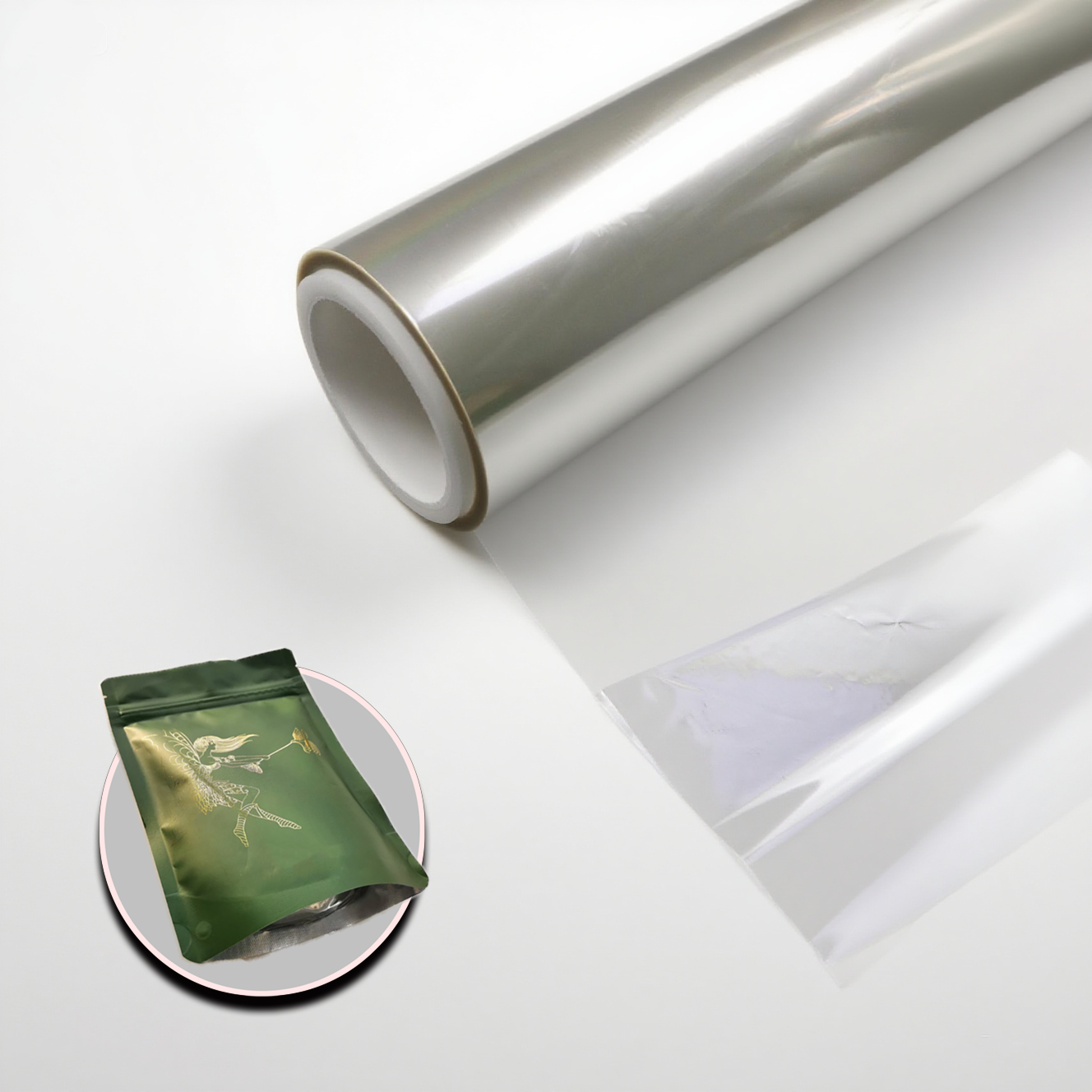
Cailong's film portfolio lists BOPP with an aluminum oxide coating for transparent high barrier packaging. This material can be assessed in a PP-based laminate route with a compatible sealing layer. Confirm the proposed stack with the supplier. The buyer should compare the candidate against the existing pouch at the same size and fill, with the required stiffness and transparency stated separately.
Define what a firmer pouch must do
Ask whether the goal is easier handling, a flatter printed face, better shelf presentation or a more stable empty bag at filling. These requirements overlap, but they are tested at different stages. Describe the exact event that is currently unsatisfactory. A general request for more stiffness gives the converter little information about what to change.
Use a representative filled pack for the display requirement and a representative empty format for machine presentation. Record dimensions, gussets, seal widths and product level. A small demonstration pouch can behave differently from a tall production bag. Keep the drawing with the sample so the material supplier understands the geometry behind the request.
Draw the PP-based candidate structure
Identify the BOPP AlOx layer and mark coating orientation. Specify the separate sealing face and any print or protective layer in the design. A potential development route may combine BOPP and a compatible PP sealant, subject to confirmation and testing. The converter should define the actual laminate rather than assuming that every listed film seals directly to the next layer.
If the project replaces a PET-containing laminate, list all changes required to reach the candidate. The original outer web, adhesive and sealant may each have a role in wall behavior. A substitution of the barrier layer alone does not describe the stiffness of a redesigned pouch. Evaluate the resulting construction as a whole.
Compare wall behavior under a defined method
Choose a bending or handling assessment with the converter that matches the pouch requirement. Identify the specimen dimensions, orientation and conditioning. Keep any result linked to the actual laminate thickness. A tensile-strength measurement on a single web addresses a different loading mode and cannot serve as the complete stiffness specification.
Observe the formed pouch as well. Folds, seals and gussets can influence how a wall stands or collapses. Include a retained sample that the buyer considers satisfactory. This helps relate a laboratory comparison to the shelf or filling behavior that prompted the project. Report local buckling and broad wall flexibility separately where the symptoms differ.
Evaluate gauge changes with their consequences
A converter may propose different gauges to reach the required wall behavior. Compare those candidates using the same format and relevant process. Record the full laminate gauge, rather than only the thickness of the coated BOPP. The buyer needs to understand which material increased and whether the change affects handling, sealing or roll use.
Check the selected gauge against the required window appearance and fold behavior. A firmer pouch can have a different opening feel or retain a crease more strongly. These observations matter to the intended pack. Establish acceptance with the brand or packaging team before purchasing a large roll quantity.
Retain barrier through conversion
Request oxygen and moisture transmission information for the offered grade with units, methods and conditions. Where those details are missing, obtain them before comparing a quoted value with the existing laminate. Use the data to select a trial and assess representative material after printing and lamination where the process could affect the coating.
The final pouch should also meet its integrity requirements. Check seals and any features that form part of the protective structure. A passing flat-web barrier result cannot establish the state of every fold and seam in the finished bag. Tie each measurement to the specimen and the requirement it addresses.
Verify that the candidate fits the production route
Run the shortlisted laminate through representative printing, lamination and bag-making conditions. Review tracking, folding and seal performance with the line team. Document any adjustment needed and keep the material identity fixed during the controlled comparison. A satisfactory hand-made sample can provide an appearance reference, while machine trials establish the practical route.
Include filled-pack handling and the intended distribution conditions in the agreed evaluation. Inspect whether the package retains the required view and shelf presentation. If a change is seen, locate it and retain matched samples from the baseline. This helps the converter identify whether the issue follows material, geometry or handling.
Give sourcing a complete request
State the intended PP-based stack, ordered gauges, surface orientation, pouch dimensions and fill. Provide the barrier target and its test basis, along with the practical wall-behavior requirement. Ask for an application sample that reflects those details. The quotation can then identify the actual materials needed for the candidate structure.
For a stand-up format, include the base and gusset in the filled-pack review. A firm front panel can coexist with an unstable base if the geometry and fill do not support the intended posture. Place candidate and control packs on the same representative surface and record their orientation and fill level. Report that observation with the wall measurements so the buyer can see which element of presentation has improved and which still needs design work.
For a recycling objective, review the complete construction and intended recovery system, including adhesive, print and other components. BOPP AlOx can support a PP-based development direction while the buyer verifies functionality and the relevant recovery claim. The final decision should show that the pouch offers adequate protection and the physical presentation the customer needs.
Comment