Heat Seal PET Film for Paperboard Windows
Nov 12,2026 | FOSHAN CAILONG METALLIC PACKAGING MATERIAL CO.,LTD
A carton window can have the clarity the buyer wants and still lift at one corner after it is attached. heat seal PET film provides a clear polyester film option with a heat-sealable surface for evaluation. For a paperboard window, establish what the film will seal to and how that interface behaves through converting and handling. The presence of a sealable face is a useful starting point for a matched trial.
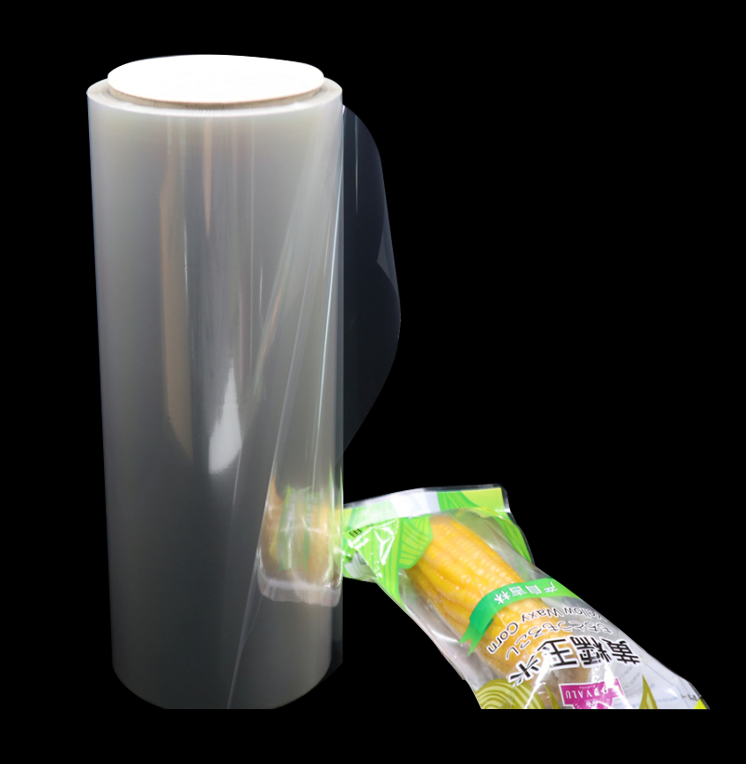
Cailong's film portfolio lists heat seal PET film for applications requiring a polyester web with sealing capability. Confirm the offered grade, thickness and which side is sealable. A film-to-film seal reference applies to its own contact pair. The converter should obtain evidence for the actual coated paperboard, print or other material at the proposed window bond.
Identify the actual contact surface
Draw the carton and window section through an attachment edge. Mark the viewing face, the heat-sealable face and the material that meets it. Paperboard can carry coatings, ink or another layer that changes the interface. Provide the supplier with the actual board specification and coated face when requesting a trial roll.
If the current design uses a separate adhesive, document that construction as a reference. A heat-seal trial may change the equipment or the way the window is positioned. Compare the entire attachment route, including how the window is held during setting. The buyer needs to know whether the candidate can be installed on the intended line.
Keep the board and film traceable
Retain each component with its lot and conditioning information. Board surface and moisture history can influence the way it behaves during a trial. Inspect the contact area before joining and record any print or coating variation. Keep the finished carton linked to those materials so the result can support a repeat order.
Orient the film consistently and check the sealable side with the supplier's identification method. A reversed specimen can produce a misleading comparison. If the film has more than one surface option, label the test groups separately. Include the correct face in the sample request and production drawing.
Establish a flat attachment reference
Use an agreed procedure to join representative flat samples of the actual contact pair. Record the conditions and specimen arrangement. Choose assessment methods that match the bond requirement and preserve the failure surfaces where practical. The result provides a reference before the team moves to a cut window with corners and a formed carton.
Keep the baseline construction in the comparison where available. If an attachment separates, record whether it released at the film, within a coating or within the board surface. A force result alone can conceal those differences. The observed failure helps the suppliers decide which material or process requires further investigation.
Check the geometry of a real window
Build cartons at the intended size and mark the bond area around the opening. Inspect alignment, corners and any region close to a crease. A flat strip can join evenly while a corner receives different support. A converted window trial should represent the actual cutout shape and board geometry.
Look at how the film is held before and after attachment. Record whether it can shift during closing or forming. If a corner lifts, photograph it before flattening the carton. Compare with a satisfactory specimen to identify whether the problem follows a particular cut, support or contact region.
Establish the process with the converter
Use the equipment team's approved process to investigate sealing conditions for the selected materials. Record the relevant temperature, pressure, time and cooling arrangements. The film listing does not provide a production setting for every carton. The agreed trial should identify which conditions were used and which material pair they apply to.
Check the visible window for distortion or marks after attachment. A process change that improves bond strength can alter the appearance around the edge. Inspect both the joint and the viewing area with the actual product or background. Include the permitted appearance in the approval rather than relying on the bond measurement alone.
Include carton forming and handling
Follow representative samples through the intended folding, closing, storage and handling sequence. Inspect the window at the stages where the buyer will judge it. A window that passes an immediate pull check may see other loads after the board is formed. Keep the test timing and handling conditions visible in the record.
If a corner changes after a particular step, retain specimens from before and after that step. Record the carton support and direction of the applied movement. Compare the intended construction with the approved baseline. This helps determine whether the issue involves the bond interface or the way the carton is handled.
Specify what the sample order must prove
Request the exact heat seal PET grade, gauge and sealable side. Include the board and its surface treatment, the window drawing and the trial attachment conditions. Provide the appearance requirement and the method for assessing the completed joint. Retain a formed carton with the accepted construction and corresponding test results.
If the window is cut and attached in separate operations, retain a sample from the cutting stage. Examine the perimeter where the film will overlap the board. An irregular cut may leave too little overlap at a corner even when the seal itself is sound along the rest of the perimeter. Measure the overlap on the assembled carton and include any artwork registration limits that restrict the usable bonding area. Give the window supplier that drawing before requesting final trial dimensions.
For buyers comparing window attachment methods, the important decision is whether the selected film and board can be joined consistently on the intended line and hold through the package route. A quotation tied to that contact pair gives the converter a clear sample specification. It also gives purchasing a basis for comparing cost and performance once the window has been qualified.
Comment