High-Adhesion Metallized PET Buying Guide
Aug 20,2026 | FOSHAN CAILONG METALLIC PACKAGING MATERIAL CO.,LTD
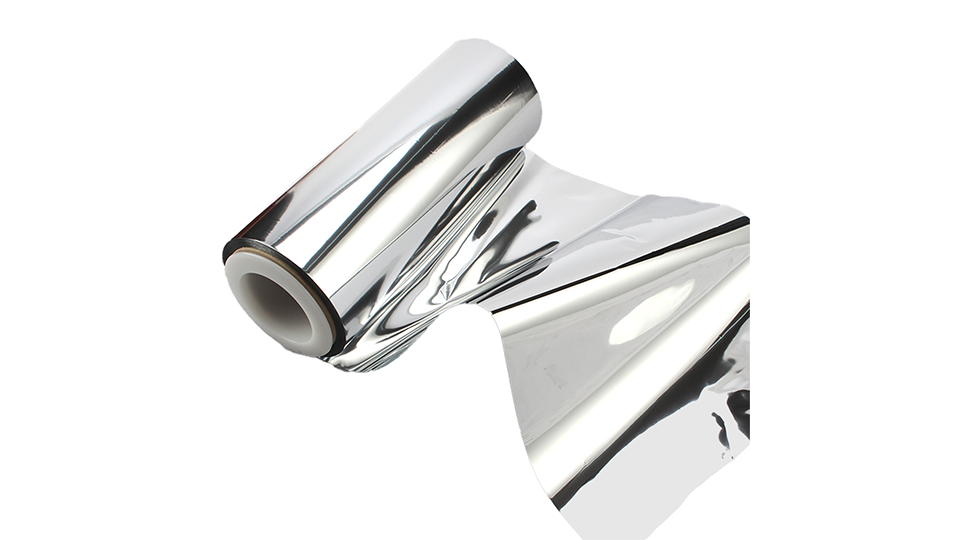
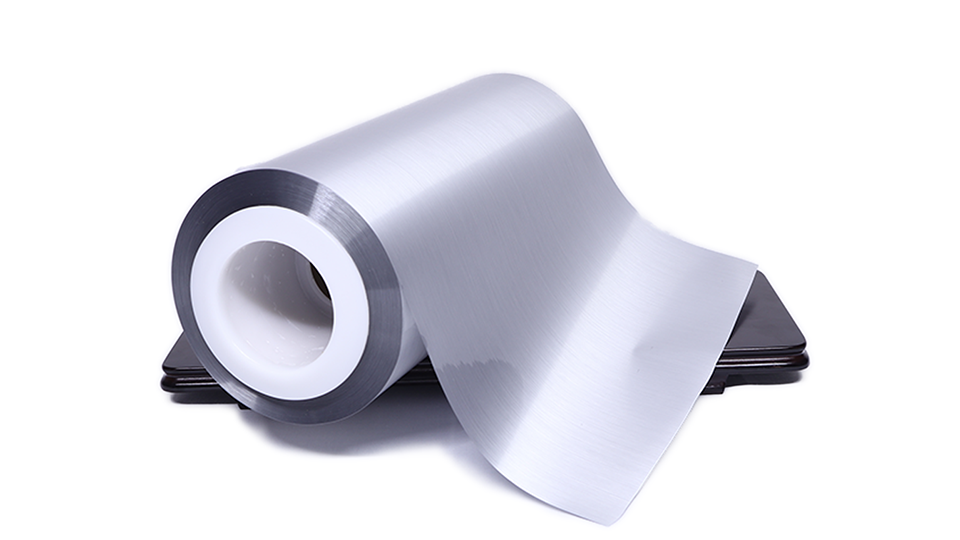
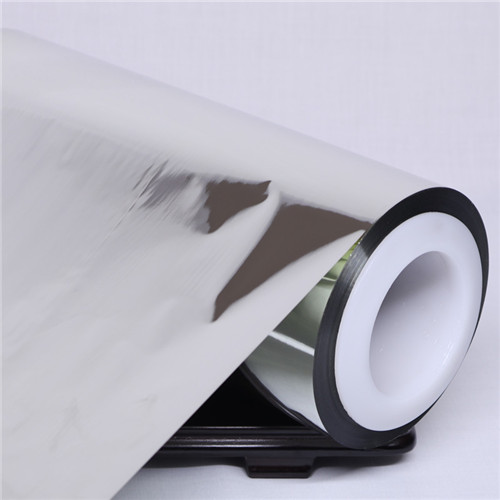
A metallized PET film can meet an incoming barrier target and still create costly rejects if aluminum transfers during printing, lamination, slitting, or pouch conversion. Buyers therefore need a specification that separates aluminum-layer adhesion from laminate bond strength and connects both to the actual process. High-Adhesion Metallized PET Film is designed for this risk, but supplier approval should include grade-specific data, representative roll trials, failure-interface analysis, traceability, and supply consistency.
Define the Failure You Need to Prevent
“Delamination” can describe several different failures. Ink may release from the film, adhesive may separate from the ink, adhesive may fail at the metallized surface, or aluminum may detach from the PET substrate. Each interface requires a different corrective action. Before requesting a higher-adhesion grade, record where the failure occurs, when it appears, and whether it follows a roll edge, slit lane, ink color, adhesive batch, or curing condition.
Applications with high-speed unwinding, heavy ink coverage, demanding laminate bonds, heat or humidity exposure, and repeated flexing can place more stress on the deposited aluminum. Electronics, decorative materials, labels, and flexible packaging may also use different adhesives and acceptance tests. The RFQ should describe the end use rather than asking only for “strong VMPET.”
Compare High-Adhesion Metallized PET Grades
The published VPET-GF and VPET-GF02 data identify a 12 micrometer PET base. Aluminum-layer adhesion is listed at at least 2.0 N/15 mm for VPET-GF and at least 2.5 N/15 mm for VPET-GF02 under the supplier’s EAA method. Published optical-density limits are at least 2.0 and 1.9 respectively. These values must be compared with the stated method and failure mode; a number from a different test setup may not be equivalent.
The same published table lists surface tension of at least 48 mN/m on the aluminum side and at least 42 mN/m on the non-aluminum side. Selected grades list OTR and WVTR limits of 1.5 or 0.8 in their respective cc/m²·24 h and g/m²·24 h units under ASTM D3985 and ASTM F1249. Buyers should obtain the current specification, test conditions, and clarification of whether each value is typical or guaranteed.
Aluminum Adhesion Is Not Laminate Bond Strength
The aluminum-to-PET interface is only one part of the laminate. Ink anchorage, adhesive wetting, coat weight, residual solvent, mix ratio, cure time, and the sealant surface all influence the final peel result. A high aluminum-adhesion value cannot compensate for an incompatible adhesive or incomplete cure. Conversely, a low laminate peel result does not prove that the aluminum layer detached.
Ask the converter to preserve peeled specimens and identify where the aluminum remains. Visual examination, tape transfer, microscopy, or another agreed analytical method can show whether the failure is cohesive or interfacial. Supplier and converter should use the same terminology so corrective actions target the actual weak boundary.
Supplier Qualification Checklist
Request grade, manufacturing route, specification, test methods, units, and certificate-of-analysis format.
Confirm roll width, length, core, winding direction, splice policy, packaging, and surface orientation.
Trial the intended ink, adhesive, sealant, line speed, tension, drying, nip, and cure conditions.
Measure bond after full cure and after relevant heat, humidity, flex, and storage exposure.
Approve more than one production lot when adhesion variation could cause significant scrap or shelf-life risk.
Agree on retained samples, complaint response, root-cause support, and advance notification of material or process changes.
How to Run a Representative Lamination Trial
Use a production-width roll if narrow hand samples do not reproduce tension, drying, or winding behavior. Record which side is printed or laminated. Measure surface tension shortly before conversion, but do not use surface-tension readings as the only proof of chemical cleanliness or bond compatibility. Keep ink and adhesive batch numbers, viscosity, coat weight, oven temperatures, line speed, nip conditions, and cure environment.
Test at the earliest meaningful interval and again after full cure. If the package will experience pasteurization, boiling, hot filling, high humidity, or cold storage, reproduce those exposures only with a grade and adhesive system approved for them. Recheck appearance, peel mode, barrier, seals, and package integrity after conditioning.
Compare Cost Per Accepted Package
High-adhesion film may carry a different purchase price from a general-grade VMPET, but the commercial comparison should include metal transfer, laminate scrap, line stops, rework, rejected pouches, complaint investigation, and requalification risk. A lower film price is not a saving when variation reduces yield. At the same time, there is no reason to over-specify a demanding grade if a general grade passes the validated process with adequate margin.
Supply and Change Control
Ask whether the approved grade is routinely produced, which widths are standard, and what minimum order and lead time apply. Link every incoming roll to a production lot and certificate. A change in PET base film, pretreatment, metallization process, or manufacturing location can affect conversion even when the product name remains the same. Written change notification protects the buyer’s qualification investment.
FAQ
Is 2.5 N/15 mm aluminum adhesion enough for every laminate?
No. It is a grade-specific interface value under the supplier’s method. The finished bond requirement depends on inks, adhesive, sealant, processing, conditioning, and end use.
Can high-adhesion VMPET eliminate all delamination?
No. It reduces one potential weak interface. Contamination, poor drying, incorrect adhesive ratio, low coat weight, insufficient cure, and mechanical damage can still cause failure.
Should OTR and WVTR be tested after lamination?
Yes when barrier matters. Printing, lamination, curing, flexing, slitting, and pouch making can change performance, so final qualification should include the converted package.
Conclusion
A high-adhesion metallized PET supplier should provide more than a headline peel value. Buyers need grade-specific interface data, controlled roll quality, converting evidence, traceability, and reliable supply. Review the verified High-Adhesion Metallized PET Film page, then qualify the selected grade in the real printing, lamination, conditioning, and package process.
Comment