Copper Metallized Film Supplier Checks
Aug 22,2026 | FOSHAN CAILONG METALLIC PACKAGING MATERIAL CO.,LTD
Why This Search Starts with a Failure
Buyers usually search for copper metallized film supplier checks because a functional coating project needs a controlled conductive or decorative metal layer. That is a finished-package or finished-component problem, not simply a request for a film with a strong headline property. The team should first record where the present design fails, the operating condition that triggers the failure and the acceptance test used by the customer. Without that baseline, changing material can move the problem from one interface to another.
The current route often uses aluminum metallized film, copper foil, sputtered layers or conductive coatings. Each remains valid when it meets the design brief. A new film becomes relevant when the brief changes: lower thickness, a different polymer strategy, more barrier margin, higher temperature, better visibility, tighter electrical performance or improved resistance to handling. The buying question is therefore: What should a buyer specify before ordering copper metallized film?
What Copper Metallized Film Contributes
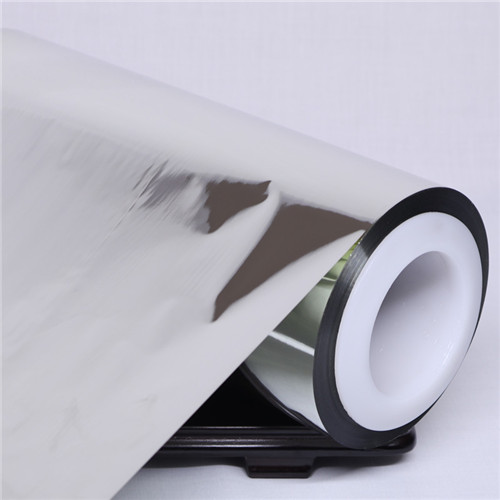
Vacuum-deposited copper on a selected polymer web can provide a thin functional metal surface, but the required resistance and durability must be specified. The film is one functional part of the system and must remain compatible with printing, lamination, sealing, forming, metallization, winding or bonding. A good incoming-film result does not guarantee a good converted result.
Before requesting a quotation, give the supplier the present construction, target dimensions, process, service environment and failure to correct. Review all metallized film products. Ask which side is functional and which properties are controlled rather than typical. Use the exact product code on the sample request and purchase order.
Technical Data: What Is Known and What Is Missing
Copper metallized film may be described as vacuum coated copper film, conductive metallized film or copper coated PET film depending on substrate and function. A specialty metallized film supplier should clarify the exact construction instead of treating these terms as interchangeable specifications.
No confirmed sheet-resistance, copper thickness or oxidation-life value is available in the tracker. These must remain grade- and test-specific purchasing requirements. This limitation is important. A buyer should not fill a missing value with an industry average or assume that a result from another substrate, thickness or grade applies.
For barrier films, record OTR, WVTR, temperature, relative humidity, sample preparation and whether the number belongs to the single film or final laminate. For metallized products, also review metal adhesion, optical density or resistance, surface treatment and performance after flexing. For engineering and optical films, define specimen direction, thickness, conditioning, defect zones and downstream coating or forming. For electrical films, test geometry, ramp rate, frequency, temperature and failure definition can materially change the result. Request the current datasheet and a representative certificate rather than relying on a web headline.
How the Film Fits the Structure
A practical evaluation route is copper metallized polymer film used as supplied or protected with a compatible coating, adhesive or laminate according to the electrical and environmental target. Confirm the design with the other material suppliers and converter. Adhesive chemistry, ink coverage, sealing temperature, coating cure, winding tension, forming radius and storage can change the finished result.
Map each requirement to the controlling layer or process. Barrier film cannot correct a leaking seal. A strong polymer cannot compensate for a poorly bonded interface. A clear substrate cannot prevent defects introduced during printing or die cutting. A dielectric film cannot recover from contamination or winding damage. This view makes a failed trial easier to diagnose. See quality-control information for related context.
Comparison and Selection Logic
Compare the proposed film with the existing route in the completed construction. Use a decision table covering function, thickness, weight, transparency, thermal limit, adhesion, mechanical response, electrical behavior, processing window, defect sensitivity, supply consistency and converted cost. Weight the columns according to the application.
A packaging team may prioritize barrier after flexing, seal integrity and drop performance. An electrical project may prioritize weak-point control, shrinkage and long-term aging. An optical project may prioritize haze, visible defects, hard-coat adhesion and dimensional stability.
Applications and Qualification Boundaries
Potential applications include decorative effects, shielding concepts, sensors, labels and specialty industrial laminates. These examples show where the film may be evaluated; they do not establish automatic suitability. Food and medical packaging may require migration and regulatory review. Automotive and electronics programs may add flammability, aging, traceability and cosmetic standards. Electrical components can require endurance testing well beyond a short dielectric screen.
Qualification should reproduce combined stresses. Barrier plus flexing, heat plus humidity, forming plus coating, or winding plus thermal treatment can reveal interactions that separate tests miss. Keep a control sample from the current approved material and test both constructions under the same method. If a trial fails, classify the failure by process stage and interface before changing several settings together.
A Practical Supplier Trial
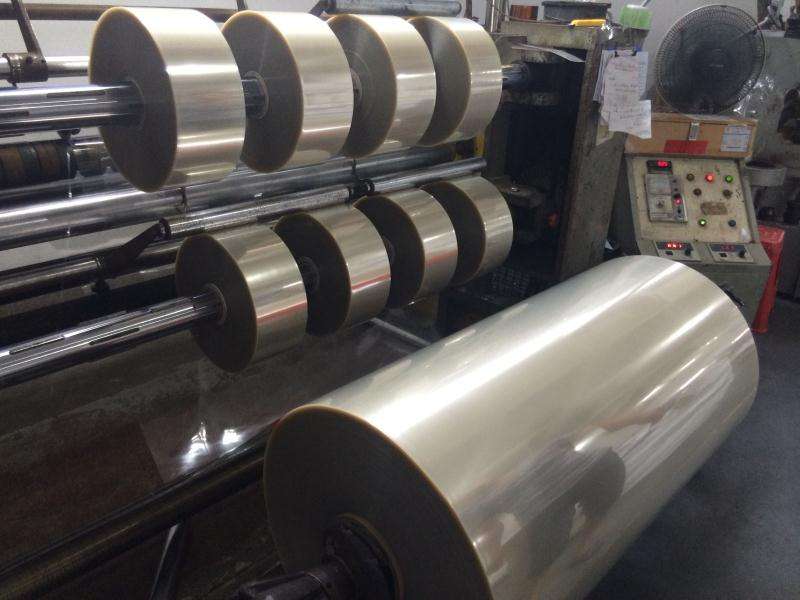
Start with incoming checks for identity, roll condition, labels, thickness, width and certificate references. During conversion, record tracking, wrinkles, static, dust, blocking, curl, surface transfer, tension response and startup scrap. Test the finished item immediately and after required conditioning. Retain samples from the beginning, middle and end of the roll.
Ask the supplier for controlled limits, test methods, roll length, splice rules, winding direction, core, packaging, storage and change control. Discuss the exact trial with metallized film team and request a grade-specific sample rather than a generic stock roll.
FAQ
Can Copper Metallized Film directly replace the current material?
Only after the full structure and process are qualified. Replacement can change stiffness, heat response, adhesion, sealing, optics, winding or long-term performance.
Which data should be confirmed first?
Confirm the measurement linked to the present failure, together with its method and conditions. Then verify thickness, surface, roll specifications and performance after conversion.
What should be sent with a sample request?
Send the current construction or drawing, target dimensions, machine process, service environment, annual demand range and acceptance tests. This gives technical sales enough information to recommend the right grade.
Next Step
If a functional coating project needs a controlled conductive or decorative metal layer is the issue behind your project, request the exact grade datasheet and run a controlled trial against the current material. The purpose is not to prove that Copper Metallized Film is universally better. It is to determine whether it solves the defined failure without creating a new one elsewhere in the structure.
Comment