Ultra-High Barrier VMPET for Aluminum-Foil Replacement Projects
Sep 08,2026 | FOSHAN CAILONG METALLIC PACKAGING MATERIAL CO.,LTD
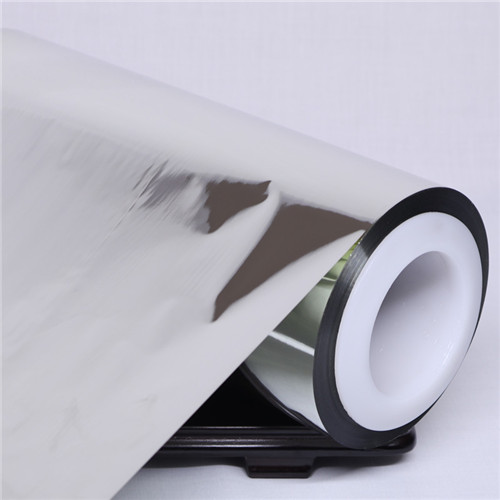
Aluminum foil delivers strong barrier, opacity and familiarity, but it may create challenges in flex durability, handling, structure weight or material strategy. Ultra-high-barrier VMPET can be considered in projects where a thin metallized polymer web may meet the required protection. The replacement decision must be based on the complete package rather than on nominal film descriptions.
Review the Ultra-High Barrier VMPET product page, the related film portfolio and the manufacturer website early in the project. These pages identify the material family, but the customer’s construction and test plan must control final approval.
Start with the customer’s real problem
Packaging buyers want to reduce foil use or structure weight, but they cannot accept uncontrolled barrier loss, pinholes or shelf-life risk. A useful inquiry explains the current material, observed failure, production process and required result. Generic requests for high quality or high performance make it difficult to recommend the right film and delay a meaningful quotation.
First document the existing foil structure and why the customer wants to change it. Identify oxygen, moisture and light requirements, pouch size, product sensitivity, filling process, distribution stress and shelf-life target. VMPET is not automatically equivalent to foil. Its thin metal layer can be more sensitive to flexing, creasing and conversion damage.
Build the material into a controlled structure
A trial laminate normally combines the metallized PET barrier web with printing, mechanical and sealing functions supplied by other layers. Confirm which side receives adhesive and whether the required metal adhesion is compatible with the chosen process. Avoid excessive web tension, rough rollers and repeated sharp folds. Protect roll edges and surface cleanliness.
Record grade, thickness, roll or sheet identity, surface orientation, associated inks or adhesives and all important machine settings. Change one major variable at a time. Otherwise, a successful trial cannot be reproduced and a failed trial cannot be diagnosed.
Verify performance after conversion
Compare OTR and WVTR at matched conditions, then repeat after lamination, flex conditioning and pouch making. Add light transmission where opacity matters, plus bond strength, seal integrity, drop testing and distribution simulation. The brand owner should conduct product-specific shelf-life work before approving a foil replacement.
Set acceptance criteria before testing. Use the same conditioning, method and sample geometry for comparisons. Test across representative locations and retain reference samples. A single good result is not enough to define a stable production window.
Common causes of disappointing trial results
- The buyer compares datasheet values measured under different conditions.
- The coating or functional surface is oriented incorrectly.
- Web tension, heat, pressure, contamination or sharp handling damages the film.
- The adhesive, ink, coating or adjacent polymer is not compatible.
- The finished package or component is not tested under actual use conditions.
Separate raw-material, conversion and final-use evidence. This prevents every failure from being assigned to the film supplier and helps both parties correct the real process step.
Supplier questions before ordering
- Which grade and thickness match the stated application?
- Which surface faces printing, adhesive, sealing or the exposed environment?
- Which properties have confirmed test methods and conditions?
- What storage, handling and conversion guidance applies?
- How are production lots identified and changes communicated?
From sample request to production approval
Send the structure or drawing, thickness, width, estimated volume, destination, process conditions and target tests. Include photos or reports for an existing problem. The supplier can then recommend a relevant sample instead of sending a generic material.
Use a staged qualification: laboratory screening, controlled machine trial, converted-part or filled-package testing, and owner approval. Confirm commercial details such as usable width, minimum order, lead time, packaging and technical response before scale-up. Total cost includes yield, downtime, rework and qualification effort, not only price per kilogram or square meter.
Frequently asked questions
Can a datasheet approve the final application?
No. A datasheet supports screening. The converted structure and finished product require tests under the intended process and use conditions.
Should the buyer request the highest available specification?
Not automatically. Define the required function and failure risk. An excessive specification can add cost without improving the finished result.
How should two film samples be compared?
Keep structure, process settings, conditioning and test methods consistent. Record sample locations and change one important variable at a time.
What information helps obtain a useful quotation?
Provide application, current structure or drawing, required thickness and width, expected volume, destination, validation conditions and the present problem.
Request a technical sample
Contact the sales team with your current material, target performance and conversion process. Ask for a project-specific sample and discuss the tests needed before production approval. State the planned ordering schedule and trial quantity so technical evaluation and commercial preparation can move forward together. Include the delivery destination, preferred roll dimensions and production start date when these details are already available. Clear commercial information helps the supplier separate an early research request from an active sourcing project and prepare the right follow-up.
Comment