Ultra-High Barrier PET Film for Pet Food Packs
Aug 27,2026 | FOSHAN CAILONG METALLIC PACKAGING MATERIAL CO.,LTD
Pet food pouches must protect fats, flavors, vitamins, texture, and aroma through filling, distribution, warehouse storage, and repeated handling. A supplier may offer an ultra-high barrier PET film, but the buyer still needs to translate shelf-life risk into an OTR, WVTR, light-barrier, seal, and mechanical specification for the complete pouch. Selecting by a film label alone can create either unnecessary cost or insufficient protection.
Why Pet Food Packs Lose Protection
Oxygen can accelerate oxidation of fats and sensitive ingredients. Water vapor can soften dry products or change texture, while aroma loss or odor pickup can affect consumer acceptance. Barrier can also fall when the metallized layer is scratched, stretched, creased, poorly laminated, or damaged at gussets and seals. Large pouches add drop, puncture, and flex demands that a flat-film barrier test does not capture.
Set the Barrier Target From Shelf Life
Start with the product’s sensitivity, water activity, fat content, pack size, headspace, fill method, residual oxygen, target shelf life, and storage climate. A small pouch and a large bag with the same film do not have the same total oxygen or moisture ingress. Define whether the barrier requirement applies to incoming film, laminate, empty pouch, or filled pouch after distribution.
OTR and WVTR must include units and test conditions. Temperature, humidity, test direction, specimen condition, and equipment affect results. Use “typical” only for development and establish guaranteed limits where package risk requires them. Do not compare supplier values when the methods or conditions differ.
What Ultra-High Barrier Metallized PET Contributes
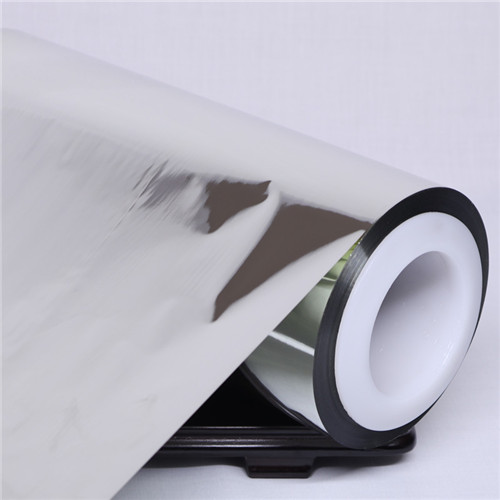
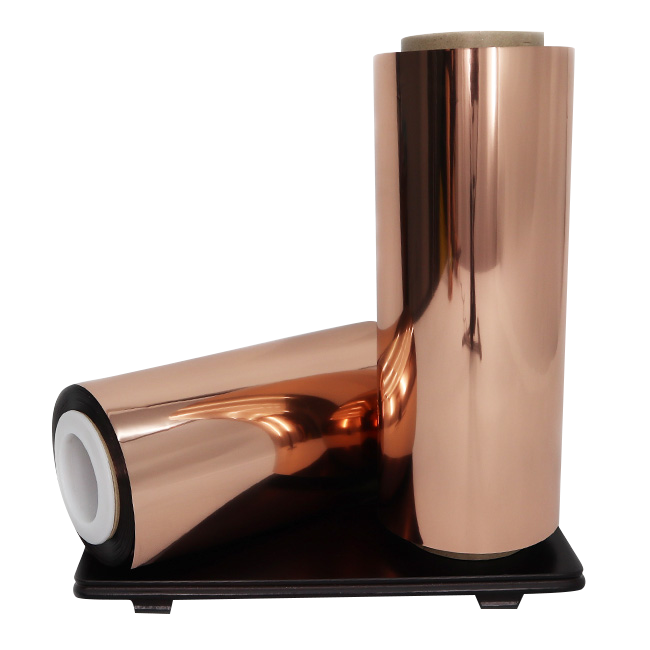
Metallized PET combines a PET carrier with a deposited aluminum layer that supports oxygen, moisture, and light protection in a laminate. An ultra-high barrier grade is intended to provide a stronger starting barrier than general metallized PET, but conversion determines how much of that performance reaches the finished pouch.
PET can provide printing and dimensional stability as part of a multilayer structure, while a PE or CPP sealant supplies sealing and product contact. A common development concept is printed PET // ultra-high barrier metallized PET // PE sealant, but the exact webs, adhesive, thicknesses, food-contact status, mechanical layers, and sealing system must be confirmed for the product and market.
Protect Barrier During Conversion
- Control web tension and avoid sharp folds, wrinkles, dirty rollers, and hard creases.
- Confirm the metallized side, ink side, adhesive compatibility, coat weight, drying, nip, and cure.
- Measure barrier after lamination and pouch making, not only on incoming film.
- Test gussets, corners, seals, zipper areas, and flexed specimens when they are critical.
- Run filled-pouch drop, compression, vibration, leakage, and shelf-life studies for the distribution route.
Compare Alternatives
Aluminum foil can provide very strong light and gas barrier but adds an opaque foil layer and can be sensitive to pinholing or flex damage. EVOH-based coextrusions can support transparent structures but their oxygen barrier is moisture-sensitive and depends on layer design. AlOx or SiOx coated films can provide transparency but require careful flex and retort qualification. General VMPET may be sufficient when the shelf-life target and process margin are lower.
The commercial comparison should include converted yield, adhesive and layer count, pouch strength, sealing window, downgauging risk, scrap, shelf-life margin, line speed, minimum order, lead time, and supply continuity. No alternative should be called a universal replacement without finished-package evidence.
Supplier Qualification
Request the exact ultra-high barrier grade, current data sheet, OTR and WVTR methods and conditions, optical density where relevant, thickness, width, roll construction, splices, storage, shelf life, certificates, and change control. Ask for representative production-width rolls and qualify more than one lot if small barrier shifts could affect shelf life.
Agree on incoming checks and complaint analysis. Retain film, laminate, empty pouches, and filled packs linked to each lot. When a failure occurs, the record should allow the buyer to separate incoming barrier variation from printing, lamination, pouch-making, sealing, transport, or product effects.
FAQ
Is the lowest OTR always the correct grade?
No. The package needs adequate margin together with mechanical durability, seal performance, processability, cost, and reliable supply.
Can incoming film data predict pouch shelf life?
Not by itself. Shelf life depends on total pouch area, headspace, product sensitivity, conversion damage, seals, storage, and distribution.
Should barrier be tested after drop and flex testing?
Yes when distribution damage is a credible risk. Metallized layers can lose continuity even when the pouch still looks acceptable.
Buyers comparing supplier grades can review the confirmed metallized film product portfolio before defining samples and test conditions.
Conclusion
Ultra-high barrier PET film for pet food packs should be chosen from a shelf-life model and verified in the converted pouch. Review the confirmed Ultra-High Barrier PET Metallized Film page, then validate OTR, WVTR, laminate durability, seals, transport performance, and filled-product shelf life.
Comment