Ultra-High Barrier Metallized Paper: The Innovative Material Leading the Future of Sustainable Packaging
Mar 26,2026 | FOSHAN CAILONG METALLIC PACKAGING MATERIAL CO.,LTD
What is Ultra-High Barrier Metallized Paper?
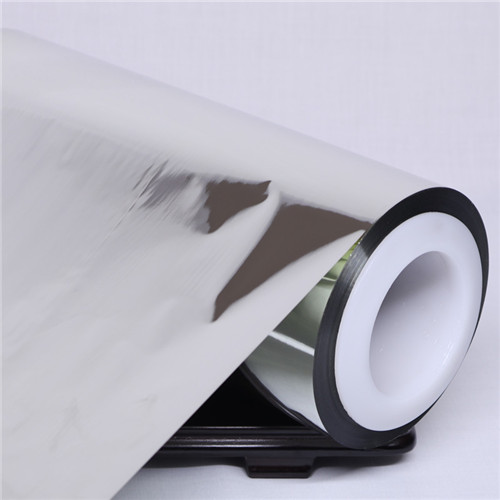
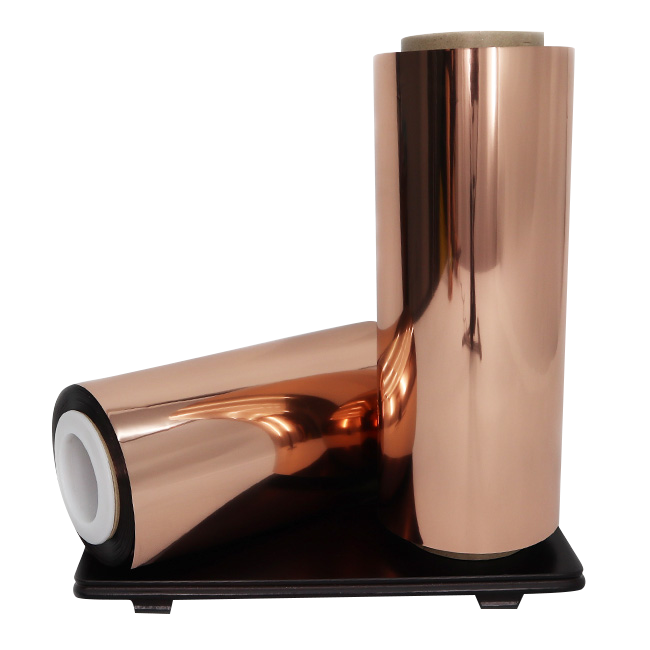
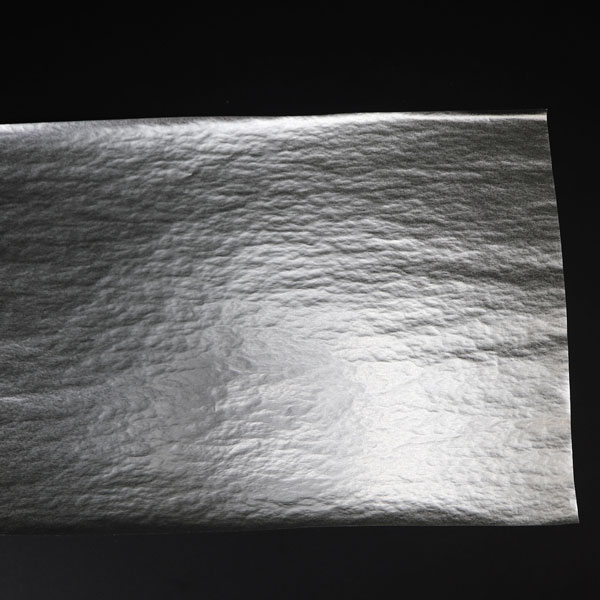
Ultra-High Barrier Metallized Paper is a functional packaging material created by depositing a uniform, dense metallic layer onto a paper surface through advanced vacuum metallization technology. It uniquely combines the flexibility and printability of paper with the superior barrier properties of metal, effectively blocking the permeation of oxygen, water vapor, ultraviolet (UV) light, and odors to provide comprehensive product protection.
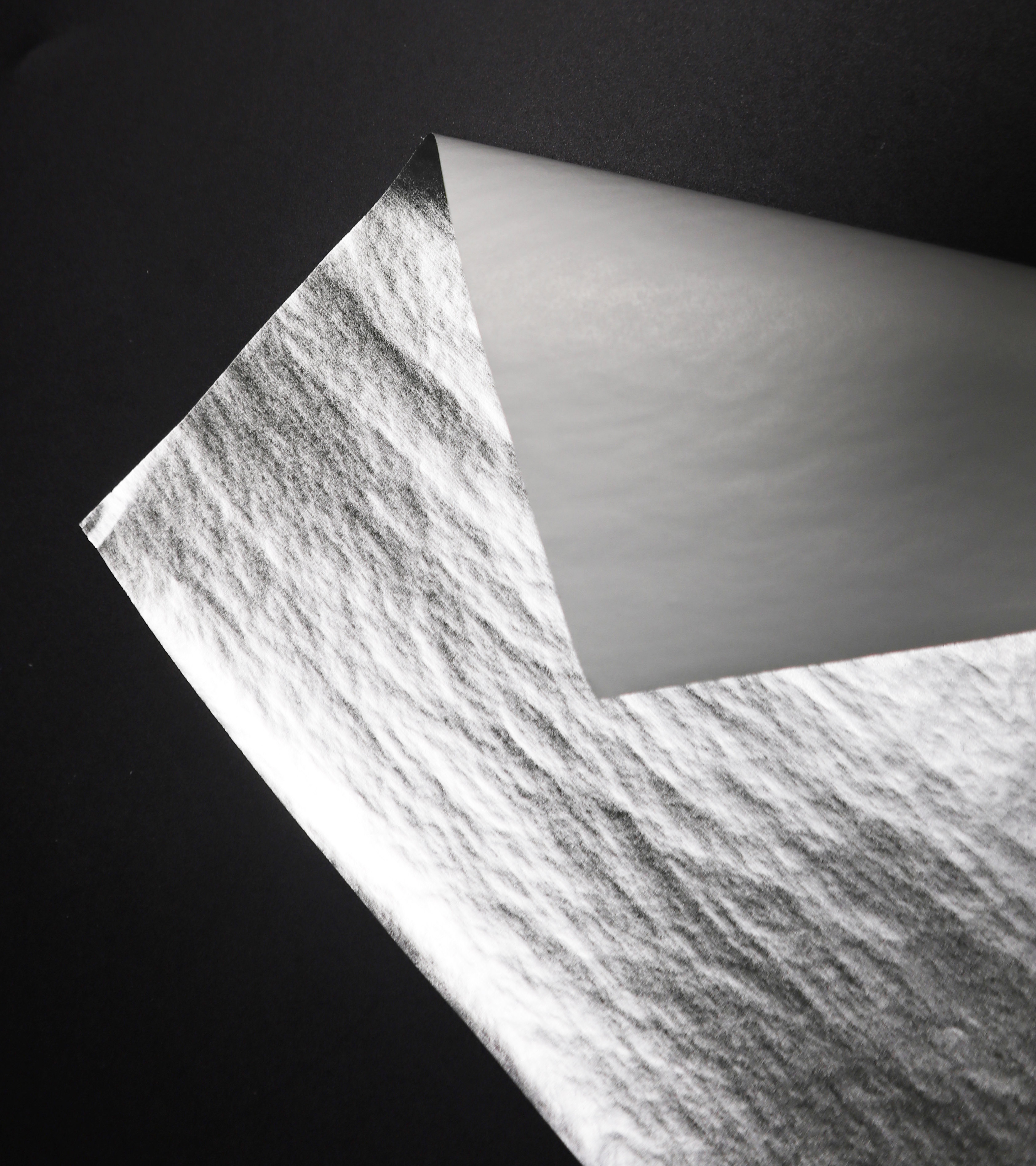
This material typically consists of a base paper layer, a functional barrier coating, and a thin metallized layer. Through precise multi-layer structural design, it achieves exceptional barrier performance. Compared to traditional aluminum foil laminates, ultra-high barrier metallized paper is more environmentally friendly, lightweight, and cost-effective, making it a rising star in the packaging industry.
Technical Principles and Manufacturing
Vacuum Metallization Process
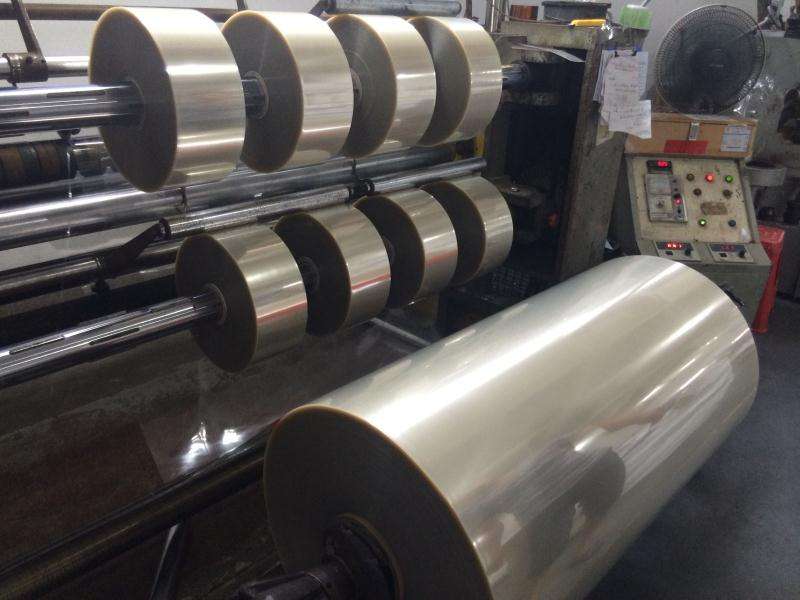
The core technology is vacuum metallization. In a high-vacuum chamber, high-purity aluminum is vaporized and evenly deposited onto a pre-treated paper surface, forming a nanometer-thick aluminum layer. This ensures coating uniformity and strong adhesion, preventing delamination during subsequent converting processes.
Multi-Layer Structure
Modern ultra-high barrier paper employs sophisticated layered constructions:
-
Base Paper Layer: Provides structural support, with basis weights typically ranging from 30-340 gsm.
-
Barrier/Pre-Coating: Seals paper pores and enhances oxygen/moisture barrier properties.
-
Metallized Layer: The vapor-deposited aluminum layer, typically 20-30 nm thick.
-
Protective/Top Coating: Provides scratch resistance, print receptivity, and heat-seal capability.
Key Performance Metrics
High-quality ultra-high barrier metallized paper typically features:
-
Oxygen Transmission Rate (OTR): ≤0.1 cm³/(m²·day·0.1MPa)
-
Water Vapor Transmission Rate (WVTR): ≤0.3 g/(m²·day)
-
Light Transmission: ≤3% (for full light barrier types)
-
Peel Strength: ≥2.5N/15mm
Key Application Areas
Food Packaging
This is the largest application sector, accounting for over 60% of the market. It is ideal for:
-
Oxygen/Moisture-Sensitive Foods: Coffee, tea, chocolate, spices, nuts.
-
Snack Foods: Potato chips, crackers, cookies, to extend shelf life.
-
Frozen Foods: Dumplings, ready meals, pizzas.
-
Dairy Products: Powdered milk, cheese, butter.
Studies show packaging with ultra-high barrier paper can extend food shelf life by over 30%, effectively preserving freshness and flavor.
Pharmaceutical Packaging
The pharmaceutical industry demands high barriers, safety, and sustainability. This material is widely used for:
-
Blister pack backing foil
-
Sachets and pouches for drugs
-
Medical device packaging
-
Healthcare and supplement packaging
Electronics Packaging
As electronics become thinner and more valuable, demand for moisture and static protection grows. Applications include:
-
Packaging for smartphones, tablets, wearables
-
Moisture barrier bags for sensitive components
-
Shipping packaging for PCBs and circuits
Cosmetics & Luxury Goods Packaging
High-end brands prioritize sustainable yet luxurious packaging. The metallic sheen and premium feel of this material make it popular for:
-
Perfume and fragrance boxes
-
Cosmetic gift sets
-
Premium spirit packaging
-
Luxury gift boxes
Market Status and Trends
Market Size and Growth
The global high-barrier packaging market is growing steadily:
-
The global high-barrier coated paper market is projected to reach approximately $1 billion by 2025.
-
The global recyclable high-barrier paper market is expected to see significant growth.
-
China's high-barrier paper market was valued around ¥12 billion RMB in 2023, with further growth anticipated.
-
The global transparent high-barrier films market is forecast to grow at a CAGR of ~3-4%.
![]()
Competitive Landscape
The market features diverse global players:
International Leaders: UPM Specialty Papers, Huhtamaki, Oji Paper (Japan), Sappi, Mondi, Stora Enso.
Key Chinese Manufacturers: Chenming Paper, Sun Paper, Guangdong Cailong New Materials, Zhejiang Fangbang.
Regional Distribution
-
Europe is a major production and consumption region for sustainable barrier papers.
-
Eastern China, Southern China, and Northern China are key consumption areas domestically, driven by manufacturing clusters.
Technical Development Trends
Sustainable Material Alternatives
Traditional plastics and foil are being replaced by eco-friendly options:
-
Bio-based Coatings: Using chitosan, cellulose, etc.
-
Water-based Coatings: Reducing VOC emissions.
-
Fully Biodegradable Coatings.
Lightweighting & High Performance
Advanced coatings and structures enable lighter materials without sacrificing barrier properties:
-
Thinner metallized layers (<20 nm)
-
Nano-composite barrier coatings
-
Multi-layer micro-structures
Integration with Smart Packaging
Combining with technology for enhanced functionality:
-
Packaging with integrated RFID/NFC tags
-
Time-Temperature Indicators (TTIs)
-
Anti-counterfeiting and traceability systems
-
Freshness sensors
Circular Economy Drivers
Improving recyclability and end-of-life:
-
Designing for easy material separation
-
Developing dedicated recycling streams
-
Enhancing paper fiber recyclability
Industry Challenges and Opportunities
Key Challenges
-
High Barriers to Entry: Complex coating and laminating processes require significant technical expertise and capital investment.
-
Cost Pressure: Fluctuations in raw material prices and the need for competitive pricing.
-
Stringent Certification: Lengthy qualification processes for food, pharma, and medical applications.
-
Performance Balance: Achieving an optimal balance between barrier properties, sustainability, and cost.
Growth Opportunities
-
Strong Regulatory Support: Global "plastic bans" and EPR laws drive demand for sustainable alternatives.
-
Consumer Preference Shift: Growing demand for eco-friendly, premium, and safe packaging.
-
Technological Innovation: New materials and processes continuously improve performance and reduce cost.
-
Application Diversification: Expansion into high-value niches like electronics, healthcare, and agriculture.
Future Outlook
Driven by sustainability goals and technological advancement, the future for ultra-high barrier metallized paper is bright. The market is expected to see steady global growth, with innovation focusing on:
-
Next-Gen Technologies: Transparent oxide coatings (AlOx, SiOx), graphene-enhanced barriers, bio-based high-performance polymers.
-
Expanded Applications: Flexible electronics, energy storage, advanced agricultural films.
-
True Circularity: Widespread adoption of mono-material, easily recyclable structures and compostable solutions.
-
Digital & Smart Integration: Packaging that connects physical products to the digital world.
Conclusion
Ultra-high barrier metallized paper represents a significant innovation in packaging, leading the shift towards a more sustainable future. By offering an outstanding combination of product protection, material efficiency, and end-of-life environmental benefits, it is poised to play an increasingly critical role across industries.
For packaging converters, brand owners, and consumers, understanding and adopting this material is a strategic step towards meeting both functional needs and sustainability commitments. In the era of circular economy, ultra-high barrier metallized paper stands out as a key enabler for smarter, greener packaging solutions.
Comment