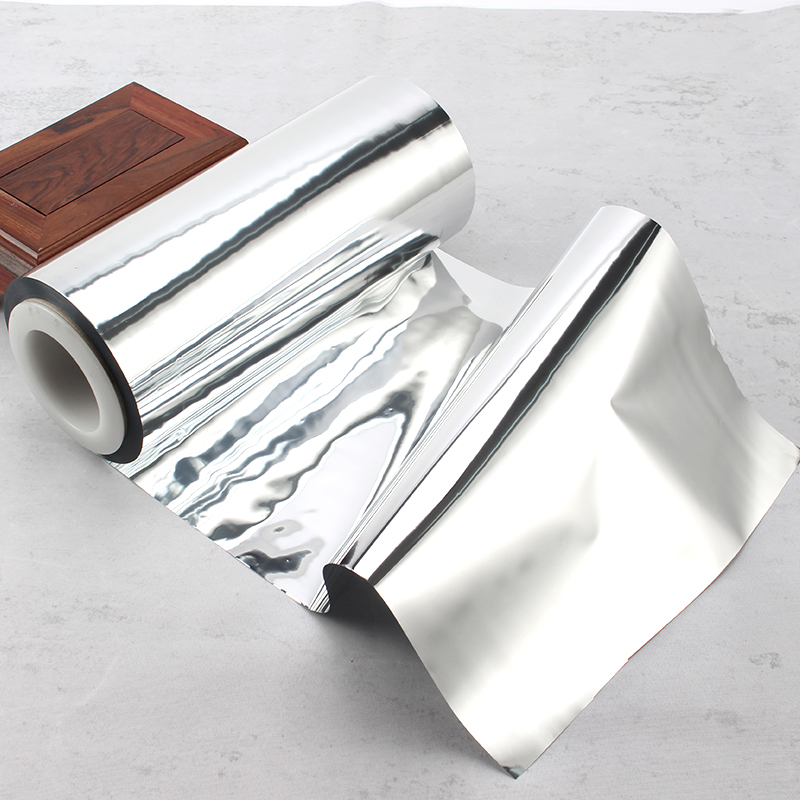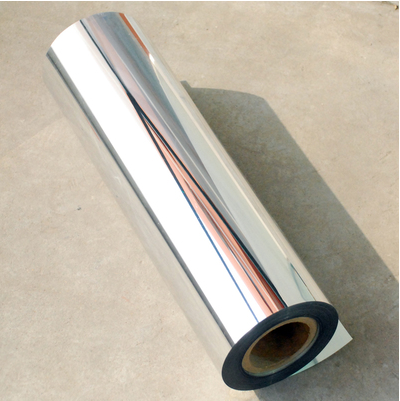
Metallized PVC Film for Candle Gift Bands
Nov 27,2026 | FOSHAN CAILONG METALLIC PACKAGING MATERIAL CO.,LTD
A gift candle maker can use a reflective band to identify a seasonal collection without printing an entirely new carton. If the band wraps a straight paperboard sleeve, it needs to remain recognizable at the joint and should not obscure the information customers use to choose a scent. metallized PVC film can be evaluated as the decorative face for a removable outer band.
Use Cailong's film portfolio to reach the supplier and send the dimensions, board surface, finish, and print drawing. Describe how the band is attached and whether it will be removed before the box is opened. Keep the proposed part outside the candle container and specify its conditions of use. The material decision should be based on the presentation package in the display and delivery environment.
Identify what the accent does
Place the existing box beside a mockup of the new band. Look from the shelf position, then from the side where the customer picks it up. A metallic background can distinguish a collection while an opaque field gives small type a clear reading area. Decide which information goes on the band and which remains printed on the original box.
Position the band on a filled example and check the scent name, product quantity, and any other item references used in the retail brief. A dark or reflective region may mask information as the box is turned. Include two artwork variants if the same film will identify different scents. This gives the designer a chance to see where a shared backing changes the perceived colors.
Confirm the film and conversion route
Cailong supplies metallized PVC film for decorative and packaging applications. Ask for the exact grade, gauge, finish, and face offered. The converter should confirm which side will be printed or bonded, and whether the design uses another supporting web. Keep the entire decorative stack in the proof. The incoming film's appearance alone cannot establish how the finished band will look on the carton.
Compare the plastic film version with the current printed band using the same board and graphics. If one prototype has a different adhesive or overlap, identify that difference. A band can appear flatter in one design because of its support or closure rather than its surface. Use a set of comparable mockups to decide whether the proposed material is serving the desired visual role.
Make the joint part of sample approval
Prepare several bands at the intended overlap and wrap them around filled boxes. Inspect the joint from the direction a shopper sees it and check whether it can turn during handling. If the carton has a wrap seam or a small dimensional difference at the corners, include those details in the trial because they can affect where the band sits.
Define the amount of tension and coverage the converter intends to use. A band that is too tight can change the appearance of the broad panel, while a loose band can cover a code when the package is lifted. Ask the packaging team to indicate which movement is acceptable and where the band needs to stay. Use the actual fold and join geometry when approving replacement materials.
Check the print in the light customers see
Use the intended colors, background opacity, and smallest text in the proofs. Place the cartons under representative shelf lighting. View the surface beside the rest of the range and identify which field must stay legible. If light catches across a printed line, consider moving the reading area or using a different backing there before changing the entire material.
If the package is identified by a scanner, trial the code on the assembled box. Test the position that staff use rather than holding the flat proof at the best angle. A printed code near the joint may be readable in one position and difficult to locate in another. Keep the approved code dimensions and its position on the band drawing.
Include packing, storage, and opening
Use the actual protective materials and cases when preparing the handling study. Inspect whether the band is marked by neighboring boxes or moves during unpacking. Record the location of a scuff or crease and match it to the case arrangement. A difference that appears only at the contact points should be investigated with the converted shape available.
Have someone remove the band using the intended packaging sequence. A reusable carton may require the surface to remain presentable after the band comes off. Check the section where the customer pulls first and confirm whether the joint or print stays intact enough for its job. Make sure the bands being compared were assembled in the same way.
Give purchasing a specific reference
Share the finish, film width, gauge, substrate, artwork revision, and join arrangement with the supplier and converter. Ask which sample they will use as the incoming finish reference. Attach an assembled proof to the converting instructions so the printer can see the relationship between the metallic region, print, and overlap. Keep the carton and contents specified for the proof.
If the design is used on a shorter box, verify the proportional position of the code and grip region before applying the same band dimensions. Record any separate layout in the purchase record. A material can be used across the range while the shapes require different art and placement decisions.
The finished choice should meet the candle brand's appearance and retail identification goals and still behave as intended through packing and opening. Make those results part of the sign-off. A later roll can then be assessed against both the film finish and the fitted example rather than a vague request for a metallic band.
Ask retail staff to handle two approved prototypes in the ordinary display arrangement before release. Their feedback can identify a visibility or opening issue missed on the graphics desk.
Comment