Metallized PLA Film: Cold-Flex Trials
Oct 23,2026 | FOSHAN CAILONG METALLIC PACKAGING MATERIAL CO.,LTD
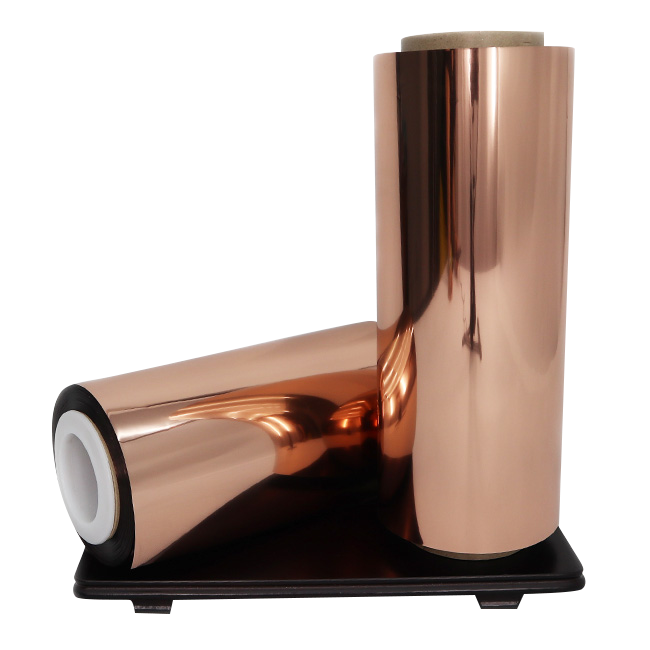
Metallized PLA Film can be evaluated when a brand wants a PLA-based metallized layer, but a successful room-temperature pouch does not establish performance during cold distribution. Winter transport or chilled handling can create a different mechanical trial. The converter needs to observe the actual laminate after conditioning and movement rather than treat an ambient tensile result as a complete low-temperature qualification.
Cailong's film portfolio offers aluminum-metallized BOPLA, with normal and higher-aluminum-adhesion grade directions listed on the product page. The brochure identifies metallized PLA as a packaging material with a metal coating over a PLA base. Neither source establishes a universal minimum service temperature or a cold-flex rating for the customer's finished pouch.
Describe the cold exposure the package will encounter
Separate a short cold-handling event from prolonged refrigerated storage and a frozen-product application. These create different requirements. A package traveling through a cold warehouse should not be described as approved for frozen food simply because both situations involve temperatures below the initial laboratory condition.
Record the relevant duration, temperature history and handling sequence from the distribution brief. Include whether the package is moved while still cold or only after returning to another environment. These details determine the specimen condition during the mechanical evaluation and help prevent comparisons between unlike tests.
Identify the product state and filling arrangement. A rigid or settled content can press against the wall differently from a loose lightweight product. Keep the actual fill quantity and package dimensions in the study so the trial reflects the loads that the commercial wall will encounter.
Keep substrate, coating and laminate functions separate
The PLA base supports the metallized layer, while the complete construction may also contain adhesive, an outer print web and a separate sealing layer. List their roles explicitly. The low-temperature behavior of a proposed pouch cannot be assigned to the metal coating or the PLA base without examining the other layers.
If the project replaces an established PET-based metallized laminate, retain that accepted package as the reference. The environmental design objective explains why the new option is being considered, but the candidate must still protect the product during distribution. Do not assume equal toughness or barrier retention solely because both materials are metallized.
Treat any environmental claim as a separate approval for the finished structure. PLA content does not establish a compostability certificate for inks, adhesive and every other component. A cold-flex trial addresses package performance; it neither demonstrates decomposition nor approves an end-of-life claim.
Condition specimens before making the comparison
Agree how film strips, converted laminates and filled pouches will reach the selected condition. Identify which specimen is being tested and how its temperature is established. A sample removed from a cold space and left on a warm bench may no longer represent the intended handling event.
Prepare an unexposed reference from comparable material and conversion history. This helps distinguish a conditioning-related observation from an existing lamination or sealing defect. Avoid comparing a newly made candidate with a stored incumbent whose preparation and conditioning have not been documented.
The test laboratory or packaging team should define the apparatus and handling procedure. No universal temperature, bend count or pass criterion can be inferred from the supplier's general material description. The purpose is to answer the customer's actual distribution question with a reproducible comparison.
Use movement that represents the package
Flat-web folding is useful for screening, but a filled pouch has seals, corners and local contact with its contents. Include the regions that move during packing, unpacking or transport. A gentle bend at the middle of a loose strip cannot establish every mechanically stressed point in the commercial package.
Keep the flexing geometry and orientation consistent between candidates. If the package includes a deliberate fold, reproduce its location and shape rather than add random crumpling that cannot be compared. State whether the trial is a severe screen or a representation of ordinary handling.
Observe cracking, whitening, coating disturbance or layer separation without assuming that any of these effects must occur. Record where a change begins and whether it appears in both warm and cold specimens. The comparison should identify the condition associated with the defect instead of attributing every observation to PLA as a polymer family.
Verify protection after the mechanical event
An attractive appearance does not prove retained oxygen or moisture protection. Where those functions matter, assess the relevant specimens after conditioning and movement under agreed transmission-test conditions. Identify sample construction and preparation so flat-film and finished-laminate results are not mixed in one comparison.
The public reference data do not provide complete low-temperature barrier evidence for this application. Request grade-specific information and avoid assigning one published OTR or WVTR to the whole trial. The package's protection target should come from the product, expected distribution and agreed test context.
Check seals and leakage paths independently from wall transmission. A pouch can suffer closure damage during handling even if its wall remains acceptable. Conversely, an intact-looking seal cannot establish the condition of a folded barrier region elsewhere in the package.
Decide which part of the construction needs adjustment
If a candidate fails, connect the failure location with layer roles and conditioning history. A changed sealant, pouch geometry or protective layer may warrant a targeted comparison, but each change creates a new structure for evaluation. Do not use a successful result from one revised specimen to approve several untested variants.
Send Cailong the proposed PLA-based construction and the actual cold-handling requirement when requesting sample material. Share the incumbent package and the failure observations with the converter so the trial can focus on meaningful differences. Metallized PLA film can then be considered as a documented material direction while the conditioned package demonstrates whether it fits the intended distribution route. This gives the buyer a practical boundary for adoption, supported by cold-handling evidence rather than an assumed rating from a room-temperature sample.
Comment