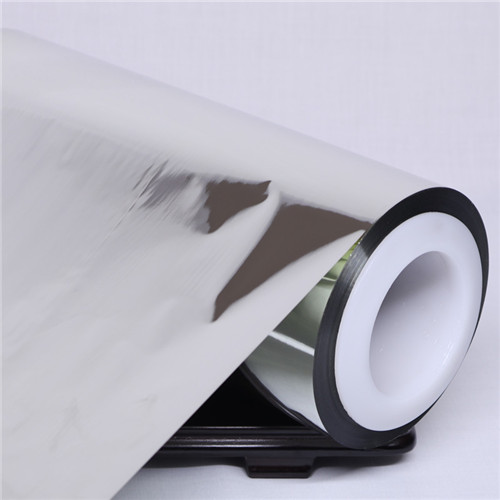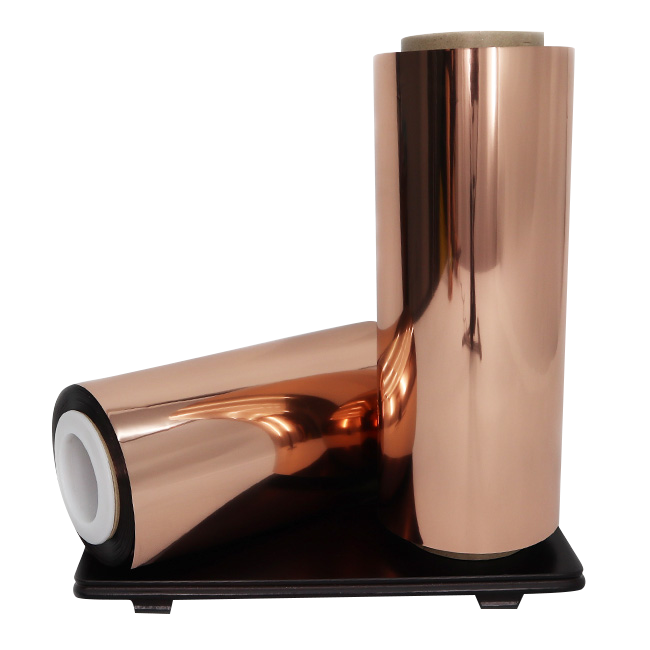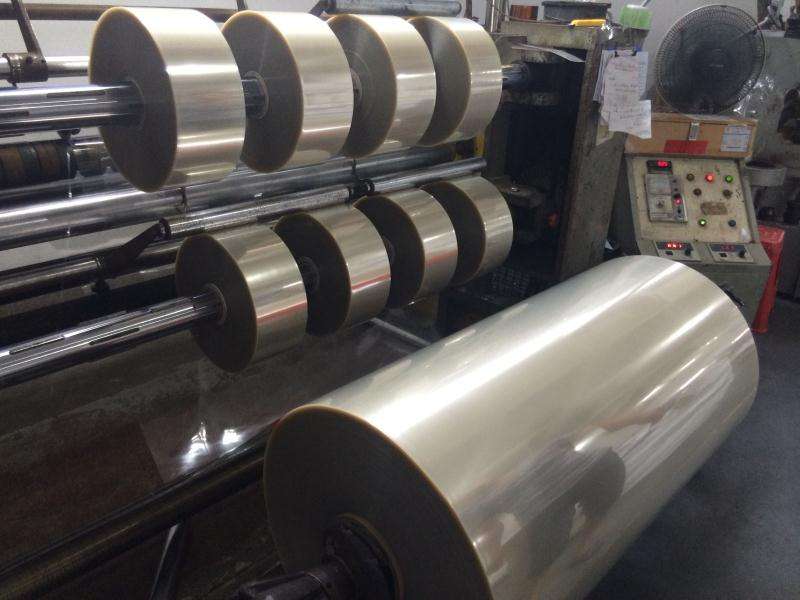
High-Barrier Metallized BOPP Film Protects Three Targets
High-Barrier Metallized BOPP Film must protect the product, survive conversion, and support the intended packaging structure. Buyers need evidence for all three targets.
Buyer searches connect mono-material PP packaging, recyclable high-barrier packaging, and VMPET replacement decisions with this film.
Cailong has verified an oxygen transmission rate of 0.12 cc/m²·24h. The verified water-vapor transmission rate is 0.18 g/m²·24h.
The aluminum-layer adhesion reaches 3.5 N/15 mm. These values provide a useful starting point for technical review.
They do not remove the need for finished-package testing. Test conditions and methods should be confirmed during qualification.
The buyer should connect each value with a real product risk. Oxygen, moisture, light, flexing, and sealing can affect different goods.
Read Barrier Data as Design Inputs
Barrier numbers are not isolated marketing figures. They should guide material selection, structure design, and shelf-life work.
Oxygen Transmission Rate and Product Risk
An OTR of 0.12 cc/m²·24h indicates strong oxygen protection under the verified test basis. Buyers should request the complete method.
Temperature, humidity, and sample preparation can change measured transmission. A number without conditions cannot support a fair comparison.
Oxygen-sensitive foods may lose flavor, color, or quality after exposure. The acceptable rate still depends on product sensitivity and package area.
The converter should model the whole package, not one square meter of flat film. Seals and folds can change actual performance.
Water-Vapor Transmission Rate and Shelf Life
The verified WVTR is 0.18 g/m²·24h. This value helps buyers screen the film for moisture-sensitive products.
Dry foods may lose texture when moisture enters. Other products may lose water through the package.
The correct barrier target depends on product behavior, distribution time, and storage conditions. The film value remains one design input.
Finished pouches should be tested after filling and sealing. Flat-film results cannot capture every package weakness.
Adhesion Connects Barrier with Conversion
Metallized BOPP film carries a thin aluminum layer. That layer must remain attached through printing, lamination, slitting, and package handling.
The verified aluminum-layer adhesion reaches 3.5 N/15 mm. Strong adhesion can support barrier retention during later processing.
Confirm the Measurement Basis
The buyer should confirm the adhesion test method. Tape, adhesive, sample width, cure, speed, and environment can influence results.
Comparable data needs comparable methods. A different procedure can make two values look misleadingly similar or different.
The supplier should identify whether the result represents a typical value or another stated basis. Only verified wording should enter the specification.
Inspect the Failure Surface
A force value does not describe the complete failure. The converter should inspect both separated surfaces after testing.
Metal transfer, uneven appearance, or local damage may reveal a weak boundary. Those signs can also explain later barrier loss.
The team should preserve failed samples and process records. This evidence helps separate material issues from converting conditions.
Replacement Decisions Need Clear Boundaries
High-barrier metallized BOPP film can be considered as a replacement for VMPET or aluminum foil. The decision still needs structure-level proof.
Evaluating a VMPET Replacement
A VMPET replacement may support a more PP-focused structure. That direction can simplify material compatibility within a mono-material PP design.
The buyer should compare barrier, adhesion, stiffness, appearance, printing, lamination, and sealing. No single number establishes equivalence.
The replacement trial should keep the finished package geometry unchanged when possible. Controlled comparison makes the result easier to interpret.
Evaluating an Aluminum-Foil Replacement
Aluminum foil provides a different material construction. Replacing it requires careful review of barrier, flex durability, and package handling.
The film should not be described as universally identical to foil. It is a candidate when the verified performance meets the application.
Drop, bend, and distribution testing may be important for the finished pack. The exact program should follow known product risks.
Mono-Material PP Packaging Is a System Goal
Mono-material PP packaging aims to keep the main structure within a polypropylene family. A metallized BOPP layer can support that direction.
The term does not mean every package automatically qualifies as recyclable. Inks, adhesives, coatings, seals, and local recovery rules still matter.
The buyer should document the complete structure. Each layer and added component should be included in the review.
Recyclability claims need market-specific confirmation. The film alone cannot establish a claim for the finished package.
Recyclable high-barrier packaging still depends on the complete structure and the applicable collection system.
This boundary protects technical credibility. It also prevents sustainability language from moving ahead of evidence.
Conversion Creates a Barrier Risk Map
The initial barrier can decline when the metallized surface is scratched, stretched, or poorly laminated. Conversion controls should protect the layer.
Printing and Web Handling
The converter should confirm the intended print side and ink system. Web tension should remain stable across start-up and production.
Roller contact and particles can mark the metallized surface. Operators should inspect high-contact points and maintain clean handling.
Printing trials should record speed, tension, drying, and coverage. These variables help explain later appearance or adhesion problems.
Lamination and Curing
Adhesive compatibility should be tested with the exact film and ink. Mix ratio, coating weight, drying, and cure should be recorded.
Peel testing should include failure-surface inspection. A strong average can hide local transfer or weak printed areas.
The laminate should age for the required cure period before final judgment. Early testing can distort the result.
Slitting, Sealing, and Flexing
Slitting edges should remain clean and controlled. Dust or damaged edges can create later processing problems.
Sealing performance belongs to the finished structure, not only the metallized layer. The chosen sealant and equipment determine the seal window.
Filled packages should face relevant flexing and handling. This step checks whether barrier survives realistic mechanical stress.
Shelf-Life Work Must Use the Finished Pack
Shelf life depends on product sensitivity, package area, seal quality, filling conditions, and storage. Film data cannot replace this complete evaluation.
The buyer should define the failure mode before testing. Texture, aroma, oxidation, weight change, or appearance may drive acceptance.
Reference structures can improve the study. A current package provides a useful comparison against the proposed BOPP structure.
Storage conditions should reflect the target market. Accelerated testing may help, but its interpretation needs a justified method.
The final report should separate film data from package results. This distinction keeps conclusions accurate.
Cost Should Be Measured per Accepted Package
Material price per kilogram offers an incomplete comparison. Yield, laminate design, waste, speed, and rejection affect real cost.
A successful VMPET replacement may simplify the material family. A failed conversion trial can erase any projected savings.
The buyer should compare cost per accepted package. This measure connects technical performance with commercial value.
Trial waste and qualification work should appear in the model. They are part of the change cost.
Savings should remain provisional until stable production is demonstrated. Forecasts should not be presented as completed results.
Evidence to Request from the Supplier
A metallized BOPP film supplier should provide verified OTR, WVTR, and adhesion data for the offered grade. Test methods should accompany comparisons.
The selected metallized BOPP film supplier should keep grade identity consistent across samples, data, and orders.
The buyer should request roll identification and traceable documents. Consistent records help teams compare trials and later deliveries.
Sample size should match the question. Small samples can screen compatibility, while production stability needs a longer run.
The supplier should not promise finished-package shelf life without product testing. That result depends on factors beyond the film.
The converter should share intended structure and process conditions. Better input produces a more useful technical discussion.
Change Control Protects the Qualified Result
Packaging approval can lose value when materials or settings change without review. A change-control record should protect the accepted structure.
The record should name the exact High-Barrier Metallized BOPP Film grade. It should also identify inks, adhesives, and companion layers.
Critical process settings should be included. Speed, tension, drying, cure, and sealing conditions can affect the result.
The buyer should define which changes require another trial. A new adhesive or print system may alter an important interface.
Incoming documents should be checked against the approved record. Unexplained differences should pause production review.
Stored reference samples can support later comparison. They should include roll identification and the date of conversion.
High-Barrier Metallized BOPP Film should remain linked with its verified barrier and adhesion basis. Data from another grade needs separate confirmation.
This control does not prevent improvement. It creates a clear route for testing improvements without losing the existing evidence.
When the complete package changes, shelf-life conclusions should be reviewed again. High-Barrier Metallized BOPP Film data alone cannot close that decision.
A Controlled Approval Decision
High-Barrier Metallized BOPP Film offers verified barrier and adhesion values. Those values justify structured evaluation for demanding packaging.
Approval should connect flat-film data with conversion, final structure, and product testing. Every stage should use recorded methods.
The film can support mono-material PP packaging and replacement projects. Each claim should remain within the tested application boundary.
This approach balances barrier performance, recyclability direction, and commercial control. It also reduces risk during material change.
The final specification should name the grade, test basis, structure, and accepted process window. Unknown items should remain clearly marked.