High-Adhesion Metallized PET Film: Controlling Metal-Layer Failure in Flexible Packaging Conversion
Aug 11,2026 | FOSHAN CAILONG METALLIC PACKAGING MATERIAL CO.,LTD
The Failure Usually Starts at an Interface
High-adhesion metallized PET film solves a specific procurement concern: the metallic layer must remain attached strongly enough for the intended converting and package-use conditions. In flexible packaging, the base film, aluminum layer, ink, adhesive, sealant layer, and packed product form an interconnected system. If one interface loses strength, the package may show delamination, visual damage, reduced protection, or poor sealing-area integrity. The buyer therefore needs to investigate not only the film but also how the complete construction transfers stress through each layer.
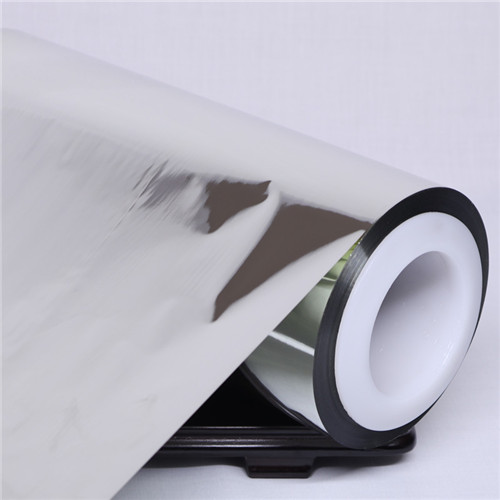
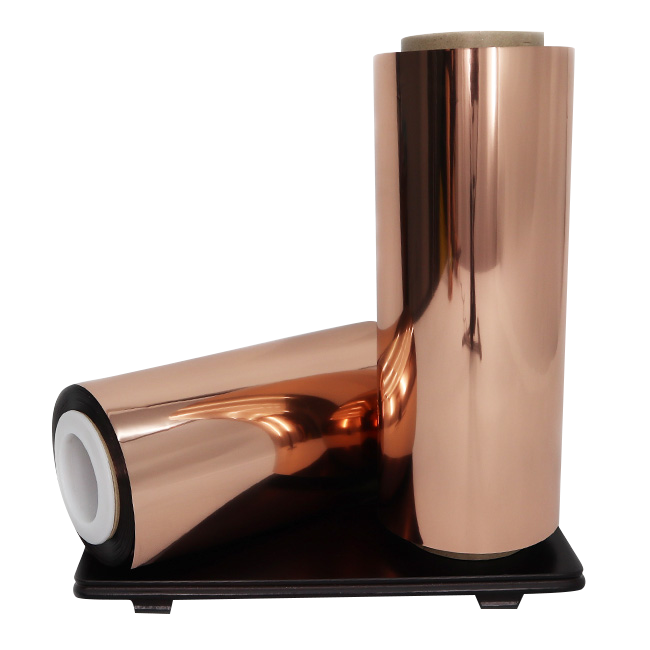
Metallized PET film is used because its aluminum layer can improve resistance to moisture, oxygen, and light while providing a reflective appearance. Cailong High-Adhesion Metallized PET Film is positioned for protective packaging in food, pharmaceuticals, daily chemicals, and precision electronics. These applications do not share identical requirements. A dry snack, an aromatic product, a chemical formulation, and a moisture-sensitive electronic part expose a laminate to different contents, storage periods, temperatures, and handling. Approval must be linked to one defined structure and end use.
Metal Adhesion Is a Risk-Control Parameter
What the Verified Value Tells the Buyer
Cailong High-Adhesion Metallized PET Film maintains aluminum-layer adhesion of at least 2.5 N/15 mm. The established information also states that this adhesion remains stable under humidity fluctuations. This gives buyers a concrete starting point when comparing candidate materials and planning trials. It indicates that the metal layer is designed not to separate easily from the PET substrate during normal converting and environmental variation. The value is useful because weak metal anchorage can undermine otherwise acceptable adhesive and laminate performance.
What the Value Does Not Tell the Buyer
No single adhesion value can predict every package outcome. Test method, sample preparation, peel direction, speed, conditioning, and the materials bonded to the metallized surface influence measured results. The value does not automatically establish seal strength, finished-laminate bond strength, barrier after flexing, or compatibility with every adhesive and ink. Buyers should request agreement on how incoming metal adhesion will be checked, then perform a separate qualification for the actual laminate. This distinction prevents a material certificate from being treated as a substitute for process development.
Humidity Can Reveal a Weak Packaging System
Humidity matters because packaged goods may move between production, warehousing, container transport, retail storage, and consumer environments. Moisture can affect adhesives, inks, paper components, and some packed products. Temperature and humidity changes can also create repeated dimensional and interfacial stress. Stable aluminum-layer adhesion during humidity fluctuation helps reduce one source of risk, but the converter still needs to examine the entire laminate after conditioning. A strong metal-to-PET bond cannot compensate for an adhesive that is poorly mixed, insufficiently cured, or incompatible with the surface.
A practical humidity evaluation should compare fresh laminate with conditioned samples. Buyers can examine appearance, peel behavior, metal transfer, edge lifting, odor, ink condition, and barrier-related package performance after exposure. The conditioning plan should reflect the target distribution route rather than a convenient laboratory cycle alone. When a product is shipped internationally, the planned route may include warm ports, high humidity, dry warehouses, and repeated transitions. The qualification should challenge the interface in a way that reflects those changes.
Follow the Film through the Conversion Chain
Incoming Roll and Surface Review
The first control point is the incoming roll. Inspect roll packaging, edge condition, winding, visible defects, and labeling before the film enters production. Confirm that the supplied width and roll format match the machine plan. Keep the film protected from contamination and physical damage. A scratch, fold, or dirty surface may create a local weakness that is unrelated to the underlying adhesion capability. Batch identification should remain connected to the trial results so that any later investigation can return to the correct material lot.
Printing and Lamination
Printing and lamination add heat, tension, solvents or other chemistry, nip pressure, and drying requirements. Each can affect the finished construction. The converter should confirm which side is printed or laminated and avoid assumptions based on visual appearance. Ink and adhesive systems need application-specific compatibility trials. Coat weight, mix ratio, drying, residual solvent, curing time, and web tension should be recorded. If a laminate fails, these records help separate a film-interface problem from a processing problem.
Slitting, Pouch Making, and Filling
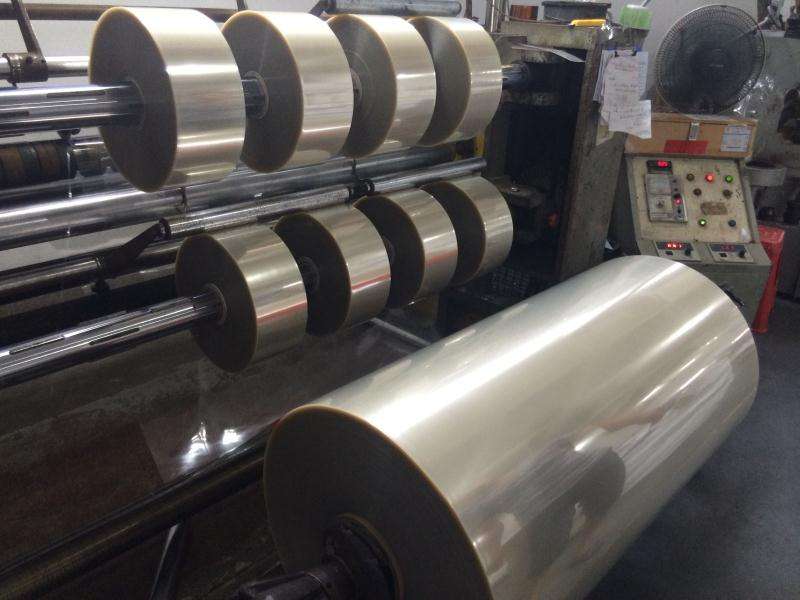
After curing, the laminate is slit and converted into the final pack. Edge quality, fold lines, gussets, zippers, notches, and sealing areas concentrate stress. The metallic appearance should be checked around these features because local damage can become visible before a broad failure occurs. Filled packages then add product contact, internal pressure, drop and compression forces, temperature exposure, and time. Final approval should therefore use production-representative pouches or bags, not only flat laminate strips.
Match the Film to the Product’s Main Threat
For food and pharmaceutical packaging, the material is commonly considered when moisture, oxygen, or light could affect product quality. For daily chemicals, content compatibility and seal-area cleanliness may be decisive. For precision electronics, moisture and environmental protection can be important during storage and shipment. Cailong High-Adhesion Metallized PET Film contributes a metallized barrier layer and a strongly anchored aluminum surface, but buyers should define which threat is most critical. That priority determines the required structure, test method, and acceptable limit.
Shelf life must be verified with the real product and package. Metallized film can support protection, but the final result also depends on laminate design, pinholes, seal integrity, package geometry, filling conditions, and storage. If the application involves sharp contents, repeated flexing, or large-format bags, mechanical stress may be as important as initial barrier. A balanced qualification combines material data with converted-package testing rather than assuming that a strong flat-film result guarantees the same performance after fabrication.
The Economics of Preventing Delamination
High adhesion has value when it reduces failure through the rest of the process. A lower-priced roll can become expensive if it causes metal transfer, repeated machine stops, rejected laminate, customer complaints, or an avoidable shelf-life investigation. Buyers should compare price per usable square meter, normal line speed, start-up waste, adhesive use, curing reliability, slit yield, pouch rejection rate, and the cost of holding finished goods during quality review. The more demanding the package, the more important it is to price interface stability as part of total conversion cost.
The same analysis prevents over-specification. Not every package needs the highest possible barrier or the most complex laminate. The goal is a structure that meets the real protection, appearance, processing, and commercial requirements with an appropriate safety margin. High-Adhesion Metallized PET Film should be chosen because the application benefits from reliable aluminum anchorage—not simply because “high adhesion” sounds preferable. A focused design can reduce unnecessary layers or process complications while protecting the critical interface.
Check Barrier after Mechanical Abuse
Barrier performance should be considered after the laminate has been folded, sealed, transported, and handled—not only when the film is flat and new. Creases, repeated flexing, sharp product edges, pouch corners, and sealing jaws can create localized stress in a metallized layer. A high-adhesion surface reduces the risk that metal separates from PET, but it cannot prevent every crack or pinhole created by package design. Compare unconverted film, finished empty packs, and conditioned filled packs so the team can see where protection changes during the process chain.
Supplier discussions become more productive when deviations are described precisely. Instead of reporting that a roll “does not laminate well,” record the material batch, web side, machine speed, tension, adhesive system, coat weight, drying, curing time, humidity, failure location, and whether metal transfers during peel. Photographs and retained samples can help distinguish cohesive adhesive failure, interlayer separation, ink release, and metal-layer transfer. This evidence supports faster root-cause work and avoids unnecessary changes to a film when the actual issue lies in another part of the process.
An Approval Protocol Built around Evidence
- Define the product, package format, target shelf life, distribution route, and main environmental threats.
- Agree on the incoming aluminum-adhesion test method and acceptance approach.
- Run printing and lamination trials with the intended ink, adhesive, coat weight, drying, and curing conditions.
- Convert production-representative packages and inspect high-stress features.
- Condition filled packs for relevant humidity, temperature, handling, and storage exposure.
- Record results by material batch and approve the complete construction, not an isolated film sample.
Purchasing with the Weakest Interface in Mind
Cailong High-Adhesion Metallized PET Film provides an aluminum-layer adhesion level of at least 2.5 N/15 mm and is designed to maintain stable adhesion through humidity fluctuations. Those verified characteristics directly address a major converting risk, but they are the beginning of qualification rather than the end. Buyers gain the greatest value by tracing the material through incoming inspection, printing, lamination, curing, slitting, pouch making, filling, and distribution. When each interface is tested under realistic conditions, high adhesion becomes more than a specification: it becomes part of a controlled, repeatable packaging system.
Comment