Heat-Seal PET Film for Lidding Applications
Aug 26,2026 | FOSHAN CAILONG METALLIC PACKAGING MATERIAL CO.,LTD
A lidding film must seal reliably without distorting, leaking, tearing unpredictably, or sticking to equipment. Buying “heat-seal PET film” by nominal thickness alone leaves critical questions unanswered: what container material will be sealed, which side is active, what temperature and dwell window is available, and should the lid peel cleanly or remain permanently bonded? Procurement should convert the package requirement into a line-trial specification.
Published PET-RF Starting Data
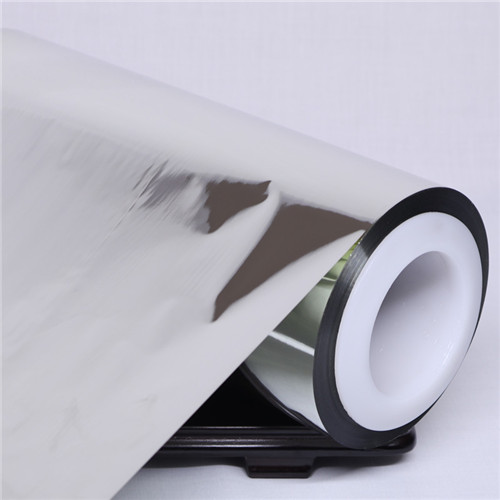
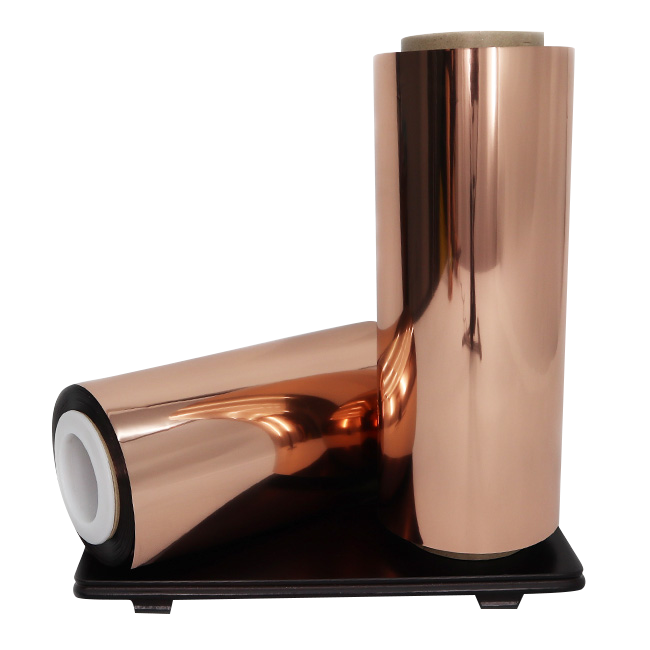
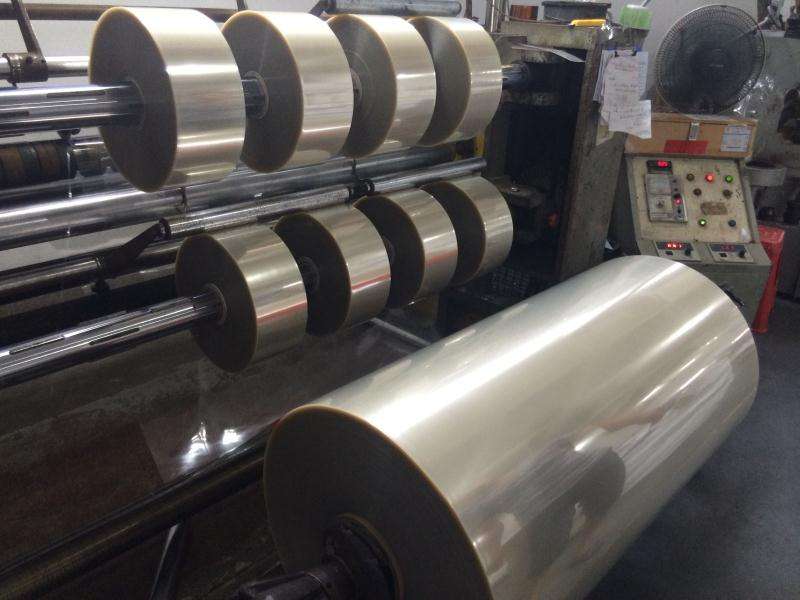
The supplier describes PET-RF as a heat-sealable PET film used for bottle and bowl lids and for packaging food, medicine, and electronic components. A common thickness of 20 micrometers is listed, with customized widths available. The page also identifies transparency, gloss, air tightness, chemical resistance, printing, and paper lamination as application-related characteristics.
Published values include surface tension of at least 48 mN/m, thickness deviation of plus or minus 10%, tensile strength of at least 170 MPa in both directions, and heat shrinkage at 150 degrees C for 30 minutes of no more than 2.0% MD and 1.5% TD. These are supplier references under stated methods, not finished-lid guarantees.
Define the Seal Interface
State the container material, rim coating, cleanliness, product contact, fill temperature, and any sterilization or cold-chain exposure. PET may not seal directly to every rim. The active sealing layer or coating must be compatible with the cup, tray, bottle, paper, foil, or laminate surface.
Define whether the lid needs a permanent weld, controlled peel, or easy-open behavior. Record acceptable seal strength, peel mode, fiber tear, stringing, residue, and opening force. The supplier’s page associates seal-strength testing with 115 degrees C, but the displayed table does not provide a universal N/15 mm result; buyers must request complete grade-specific sealing conditions and limits.
Build a Seal Window
- Test several temperatures, dwell times, and pressures across the expected line range.
- Use production containers and include normal rim variation and representative contamination.
- Measure initial seal, hot tack where relevant, and strength after conditioning or aging.
- Check leak, burst, peel, lid removal, curl, distortion, and visual appearance.
- Run at startup, steady speed, stops, restarts, and the upper and lower line-speed limits.
- Repeat with more than one film and container lot before commercial approval.
COF, Shrinkage, and Machine Handling
The published coefficient-of-friction reference is no more than 0.60/0.55 under ASTM D1894. COF affects feeding, stacking, unwinding, and registration but should be evaluated on the relevant surface pair. A value measured film-to-film may not predict film-to-metal or film-to-guide behavior.
Shrinkage can create curl, wrinkles, or misregistration near the sealing station. Measure dimensional behavior using the actual heating profile and web restraint. Stable tension and correct winding direction help maintain registration on printed lids.
Printing and Food-Contact Review
Confirm which side is printable and which side is heat-sealable. Inks, primers, and adhesives must remain outside the seal area unless the construction is designed and validated otherwise. Printing, migration, food contact, pharmaceutical use, and electronic cleanliness must be reviewed for the complete package and target market.
Supplier and RFQ Checklist
Specify grade, thickness, tolerance, width, roll length, core, winding direction, splice policy, active side, container material, seal requirement, annual volume, and testing plan. Ask which values are typical and which are guaranteed. Request representative production rolls rather than relying only on hand samples.
FAQ
Will heat-seal PET bond to every cup or bottle?
No. Compatibility depends on the active sealing surface and the container rim material. Test the actual pair.
Is the lowest sealing temperature always best?
No. The process needs a stable window with adequate seal, acceptable peel, line speed, and low distortion.
Can a strong seal still leak?
Yes. Channels, contamination, rim defects, wrinkles, and incomplete contact can cause leakage despite high average peel strength.
Conclusion
Incoming Inspection and Change Control
Incoming checks can cover identity, thickness, width, winding, roll damage, active-side orientation, surface appearance, and selected seal tests against a controlled reference rim. Trend seal-window and line-yield data by lot rather than relying only on one pass-or-fail measurement.
Agree on retained samples, certificates, complaint response, and advance notification for changes to the PET base, seal coating, treatment, or manufacturing location. Even when the product name remains PET-RF, a surface or process change may affect sealing, printing, or registration and can require renewed approval.
Heat-seal PET film for lidding should be purchased against a defined container, seal mode, temperature window, line condition, and end use. Review the verified Heat-Seal PET Film PET-RF page and request a production-roll trial with the actual container, filling process, and acceptance tests.
Comment