Discoloration and Spoilage Issues in Corn Pouches: Cause Analysis and Solutions
Jul 01,2026 | FOSHAN CAILONG METALLIC PACKAGING MATERIAL CO.,LTD
In the distribution chain of ready-to-eat sweet corn, frozen corn kernels, and vacuum-packed cooked corn, "discoloration and spoilage" ranks among the top quality complaints. Typical symptoms include corn kernels turning from bright yellow to dark brown, cloudy liquid inside the pouch, sour or rancid odors, and even swelling or leaking packages. These problems not only shorten shelf life but also directly damage brand reputation.
This article systematically examines the causes of corn pouch discoloration and spoilage from three dimensions—packaging materials, processing technology, and product characteristics—and provides actionable improvement directions.
1. The Nature of the Problem: Non-Enzymatic Browning and Microbial Failure
Most corn pouch discoloration falls into two categories of non-enzymatic browning:
-
Maillard Reaction: Reducing sugars (glucose, fructose) in corn react with amino acids (mainly asparagine) under heat to form melanoidins. Higher temperatures, lower water activity, and neutral-to-alkaline pH accelerate the reaction.
-
Ascorbic Acid Oxidation Browning: Natural vitamin C in corn oxidizes in the presence of oxygen to dehydroascorbic acid, which further polymerizes into brown compounds.
Spoilage, on the other hand, typically results from residual microorganisms or secondary contamination: thermophilic spore-formers (e.g., Bacillus stearothermophilus) survive insufficient sterilization and revive during storage, producing acid and gas; or micro-leaks at the seal allow external microbial ingress.
2. Root Causes Breakdown
2.1 Insufficient Barrier Performance of Packaging Material
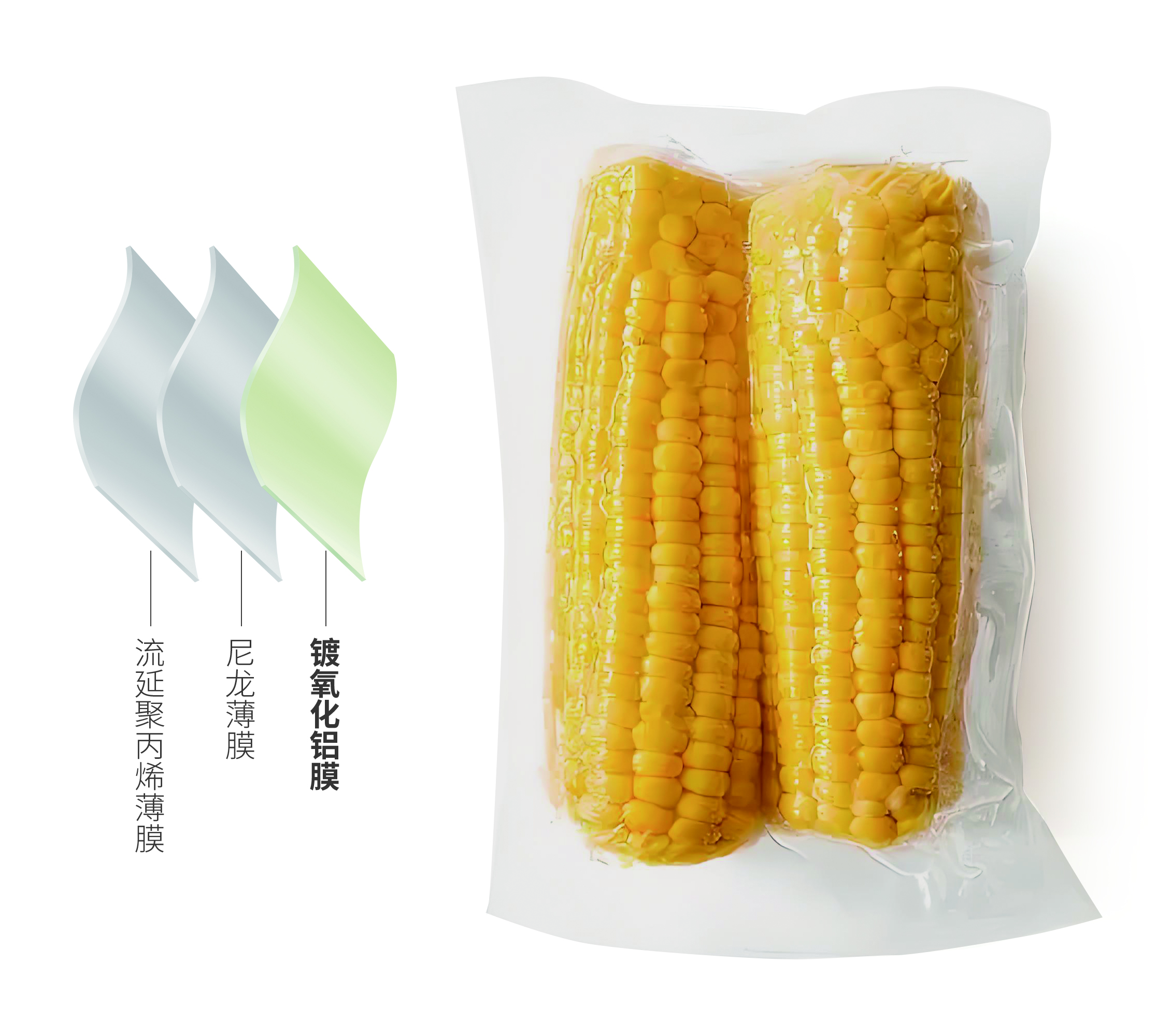
This is the most common yet easily overlooked cause. If a corn pouch uses ordinary nylon/PE laminates or low-barrier EVOH film with high oxygen transmission rate (OTR), the following occurs:
-
Residual oxygen continuously oxidizes oils and pigments (lutein, β-carotene) in corn, shifting color from bright yellow to dull brown.
-
Aerobic microorganisms (molds, yeasts) multiply with available oxygen, causing mold growth or gas production.
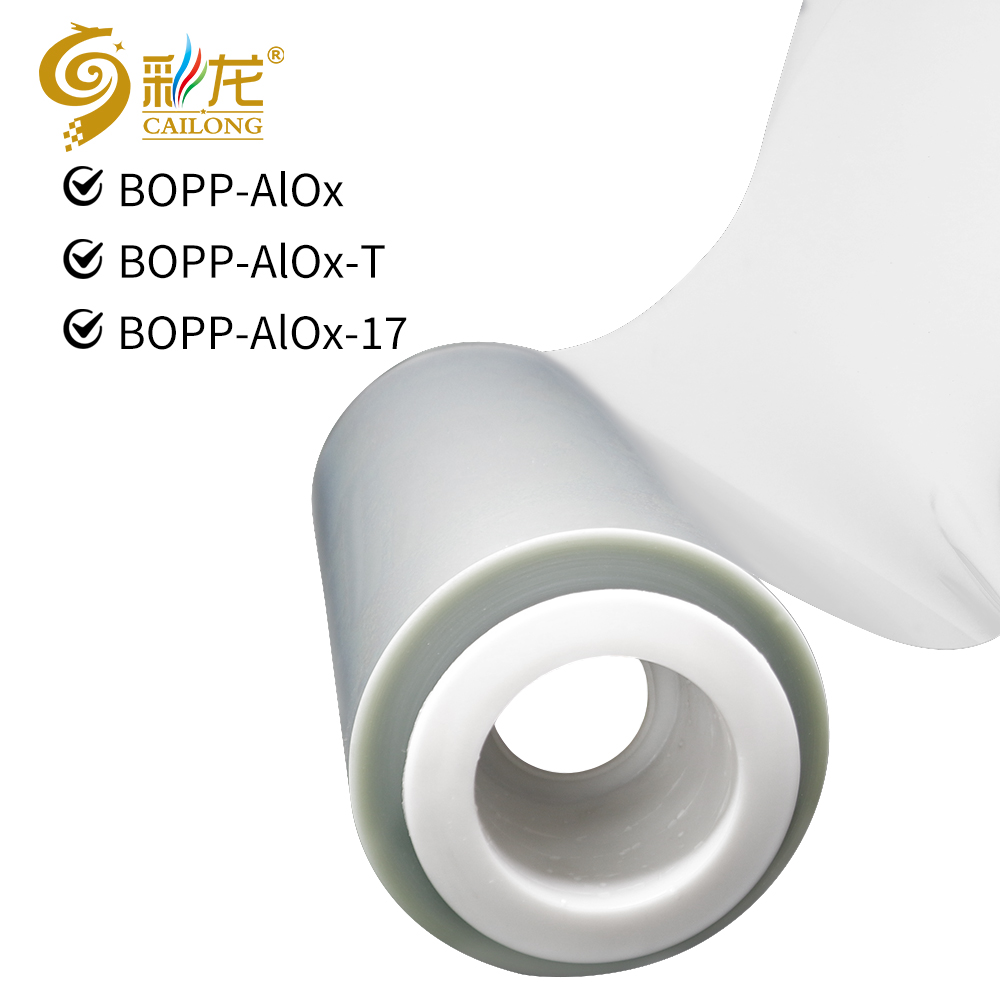
Case Study: A branded ready-to-eat sweet corn originally used PA/PE film with OTR ~50 cm³/(m²·24h·0.1MPa). Significant browning occurred within shelf life. After switching to ALOx PET/RCPP structure (OTR < 2), color stability doubled.
2.2 Improper Sterilization Parameters
Corn is a typical low-acid food (pH 5.8–6.5) requiring high-temperature pressure sterilization (typically 121°C for 20–35 minutes). Common issues:
-
Insufficient F₀ value: Center temperature fails to reach 121°C or hold time is too short, leaving heat-resistant spores alive.
-
Inadequate venting/come-up time: Excess residual air inside the pouch creates an insulating cushion, preventing heat penetration to the cold point.
-
Over-sterilization: Prolonged heating (>40 minutes) intensifies Maillard browning and damages kernel texture.
2.3 Inadequate Raw Material Pre-treatment
-
Insufficient blanching: Enzymes (peroxidase, polyphenol oxidase) on corn kernel surfaces are not fully inactivated, continuing to catalyze browning during storage.
-
Delayed cooling: After sterilization, slow cooling leaves residual heat driving further browning.
-
pH fluctuation: Some corn varieties have elevated pH (>6.5), significantly increasing Maillard reaction rates.
2.4 Seal and Closure Defects
-
Corn kernels or liquid trapped in the seal area cause weak seals or micro-leaks.
-
Poor matching of sealant layers (e.g., CPP melting point too different from PE) leads to inadequate heat seal strength.
3. Systematic Solutions
3.1 Upgrade Packaging Materials: Prioritize High-Barrier Transparent Films
For corn pouches requiring transparency, the following structures are recommended (sorted by cost-effectiveness):
|
Structure |
Application Scenario |
Key Indicators |
|---|---|---|
|
PET-AlOx / RCPP |
121°C retort grade, transparent, high barrier |
OTR < 2, WVTR < 1.5 |
|
PET / AlOx-PET / RCPP |
Same as above, extra PET layer for stiffness |
Peel strength > 3 N/15 mm |
|
PA / EVOH / PE (dry laminate) |
Higher barrier demand, but EVOH moisture-sensitive |
OTR < 0.5 (dry state) |
|
Aluminum foil laminate (PET/Al/PA/RCPP) |
Ultra-long shelf life (18+ months), opaque |
OTR ≈ 0 |
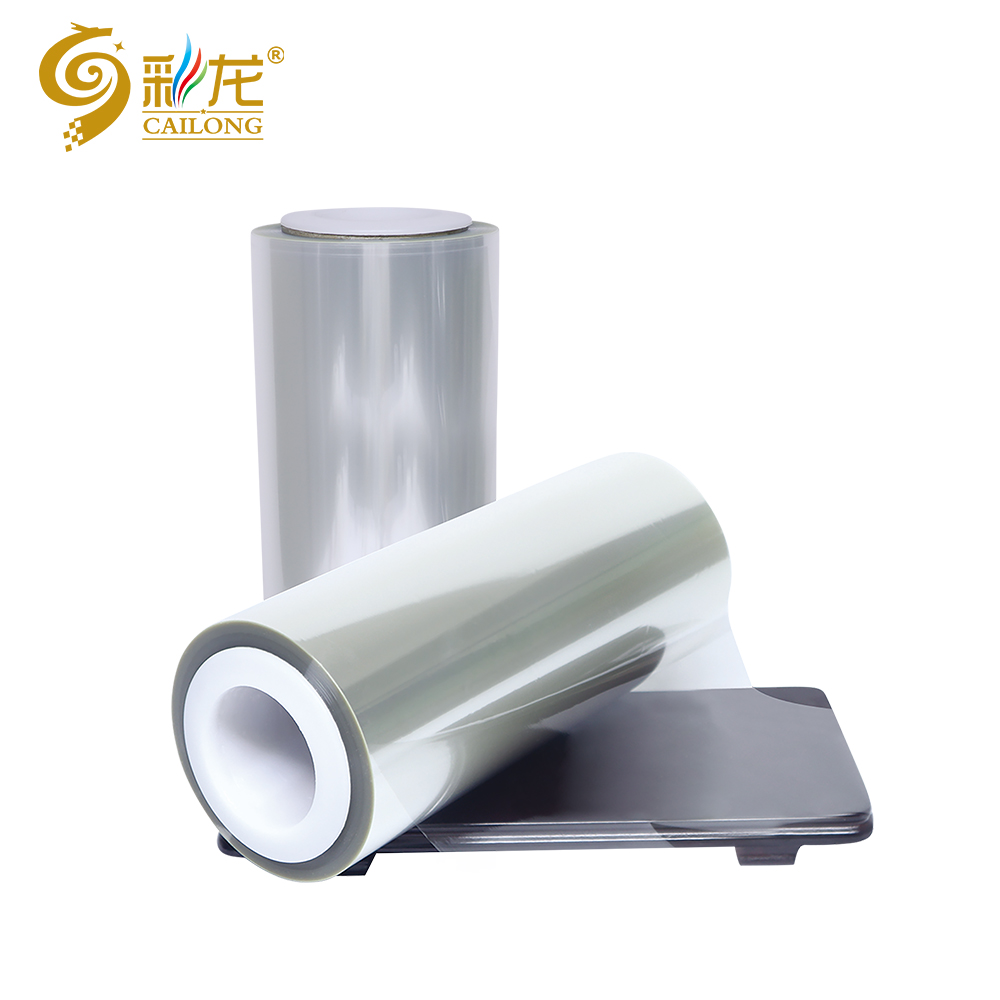
Recommendation: If the goal is transparency + microwaveability + 12-month shelf life, the ALOx PET series currently offers the best cost-performance balance. Its barrier remains stable under humid heat, unlike EVOH which degrades sharply with rising humidity.
3.2 Optimize Sterilization Process
-
Use rotary retorts for uniform heat distribution, reducing process time and browning.
-
Set target F₀ ≥ 6 (for low-acid foods) and verify cold-point temperature with thermocouples.
-
Immediately initiate cooling after sterilization, bringing center temperature below 40°C within 10 minutes.
3.3 Strengthen Raw Material Handling
-
Blanch at ≥95°C for 3–5 minutes to ensure peroxidase inactivation (test with guaiacol method).
-
Add appropriate antioxidants (e.g., sodium erythorbate, disodium EDTA) to inhibit oxidative browning.
-
Control raw corn pH between 5.8 and 6.2.
3.4 Seal Quality Control
-
Use low-temperature heat-seal RCPP to minimize thermal damage to the AlOx layer.
-
Perform regular seal integrity tests (vacuum decay or dye penetration) to ensure pass rate ≥99.5%.
4. Summary
The root cause of corn pouch discoloration and spoilage is rarely a single factor. It is typically the combination of insufficient barrier performance + sterilization deviation + residual enzyme activity. The resolution path should follow this order:
-
Check packaging first: Confirm whether the current film's OTR/WVTR meets the target shelf life (generally OTR ≤ 5 for 12 months).
-
Then verify sterilization: Measure cold-point temperature to confirm F₀ value compliance.
-
Finally inspect raw materials: Review blanching parameters and pH control.
For companies aiming to completely solve discoloration while maintaining transparency, ALOx PET retort-grade film is a proven, reliable choice widely validated in the market. It offers stable barrier performance, withstands 121°C without degradation, supports microwave heating and metal detection, and serves as the core material transitioning corn packaging from the "foil era" to the "transparent era."
Comment