ALOx PET High-Barrier Film: The "Transparent Aluminum Foil" Alternative for Boiling and Retort Applications
Jul 01,2026 | FOSHAN CAILONG METALLIC PACKAGING MATERIAL CO.,LTD
In the flexible packaging world, ALOx PET (vacuum-deposited aluminum oxide polyester film) has been gaining significant traction in recent years. Its sweet spot is medium-to-high temperature food packaging—boiling and retort applications that were traditionally dominated by aluminum foil, PVDC-coated films (K-film), and EVOH coextruded films. Now, ALOx PET is carving out a growing market share with its combination of transparency, microwave compatibility, high barrier performance, and the ability to withstand 121°C retort conditions.
Below is a detailed breakdown of how this material performs in boiling/retort scenarios.
1. What Is ALOx PET and Why Can It Enter Retort?
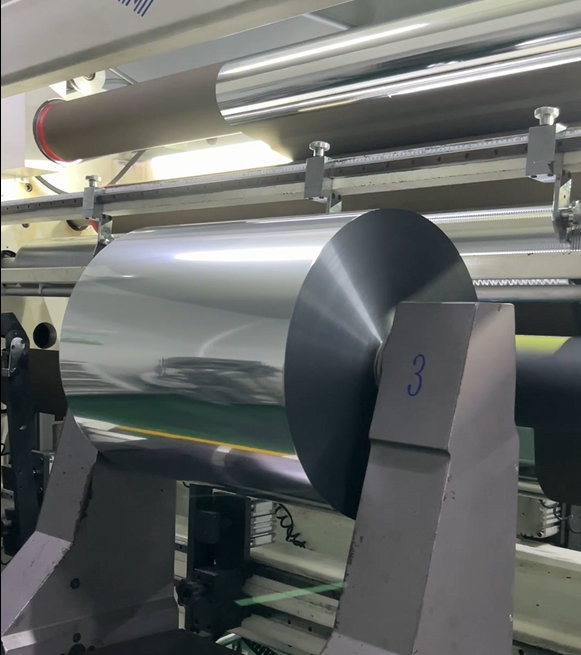
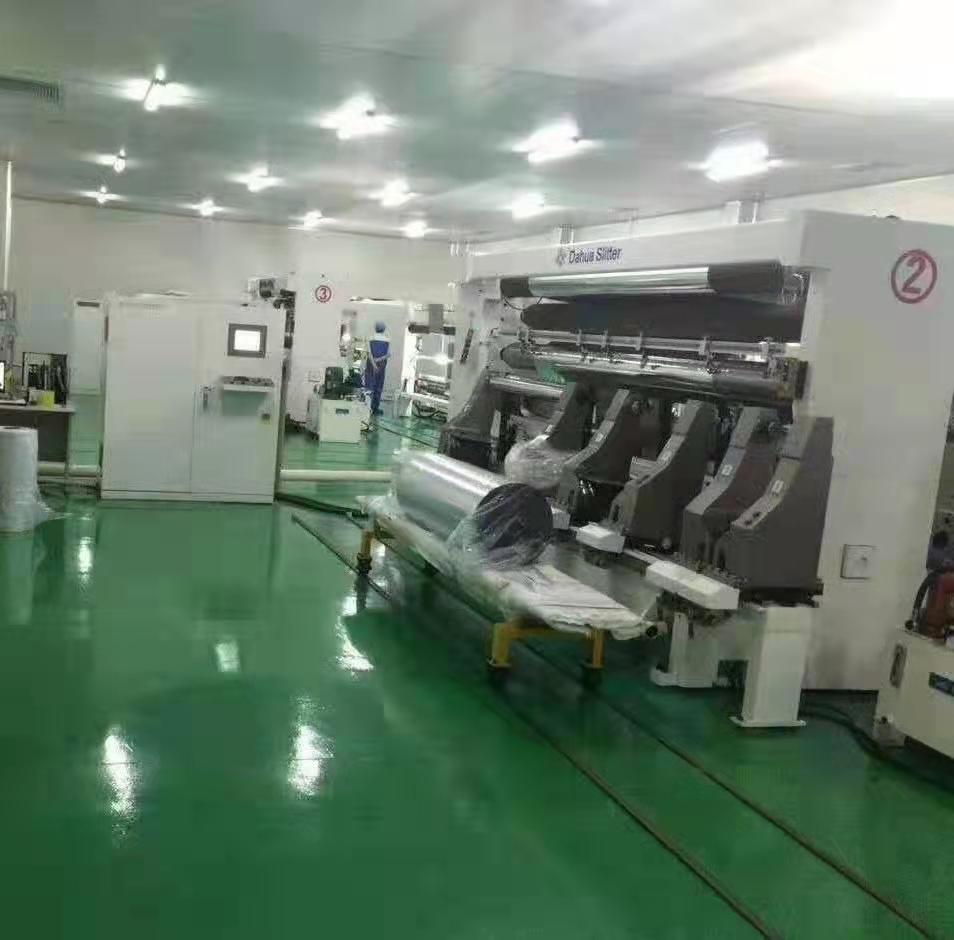
The manufacturing process is straightforward: a thin layer (tens of nanometers) of aluminum oxide (AlOₓ) is deposited onto the corona-treated side of a 12 μm BOPET substrate via physical vapor deposition (PVD) under vacuum. This dense inorganic layer provides the barrier.
Key typical performance values (for mainstream retort-grade products):
-
Oxygen transmission rate (23°C): 0.3–2.0 cm³/(m²·24h·0.1MPa), high-barrier grades down to 0.3–0.4
-
Water vapor transmission rate (38°C/90%RH): 0.6–1.5 g/(m²·24h)
-
Light transmittance: ≥87%, high-barrier types up to 89%
-
Temperature resistance: Boiling grade 100°C/30 min; Retort grade 121°C/30 min
A comparison with competing materials makes its position clear:
|
Material |
Barrier |
Transparent |
Microwaveable |
Wet Heat Resistance |
Cost |
|---|---|---|---|---|---|
|
Aluminum Foil |
Excellent |
No |
No |
Excellent |
Medium |
|
PVDC (K-film) |
Good |
Yes |
Yes |
Medium |
Med-High |
|
EVOH Coex |
Excellent (dry) |
Yes |
Yes |
Poor (barrier drops sharply above 80% RH) |
High |
|
ALOx PET |
Good |
Yes |
Yes |
Good (better than EVOH) |
Medium |
💡 A key point often overlooked: ALOx barrier performance is far less affected by relative humidity than EVOH or PVA-coated films. Since boiling and retort are precisely high-humidity, high-temperature environments, ALOx stands firm here—EVOH degrades under wet heat, while ALOx remains stable.
2. Boiling vs. Retort: ALOx Grade Classification
Not all ALOx PET can withstand retort. The industry generally divides into three tiers:
-
Standard High-Barrier Type (e.g., ALOx-P101, ALOxPET1) — biscuits, snacks, tea, sauce packets; no boiling
-
Boiling Grade (e.g., ALOx-P121, ALOxPET-TW) — 100°C boiling sterilization; cooked/semi-cooked fish, agricultural products
-
Retort Grade (e.g., PET-AlOx-TZ, PET-AlOx-DTZ, ALOxPET-TR) — 121°C/30 min high-temperature retort; high barrier + wet heat resistance + usually includes a protective coating
The presence of a protective coating (T-type, TZ-type) is critical. Bare AlOx layers offer good barrier but are prone to microcracks from stretching, lamination, or acid attack during processing and retorting. The protective coating acts as armor, delivering peel strength >3.0 N/15 mm and enabling direct printing on the coated surface.
3. Common Composite Structures for Boiling/Retort
The Chinese national standard GB/T 40266-2021 General Rules for Oxide Barrier Transparent Plastic Laminated Films and Pouches for Food Packaginglists several mainstream ALOx structures:
-
PET-AlOx / PE (CPP) — light-duty boiling; upgraded snack and biscuit packaging
-
PET / AlOx-PET / RCPP — mainstay retort structure; transparent braised pork, instant rice pouches
-
PET-AlOx / PA / RCPP — adds PA for puncture resistance; marinated meat, bone-in meat products
-
BOPP (or PET) printed / AlOx / RCPP — outer print layer with transparent window effect
-
PA printed / AlOx / RCPP — heavy contents, high retort durability
Typical measured data: After lamination (PET-AlOx/PU/PA+RCPP), WVTR ≈ 1.17, OTR ≈ 0.81 — sufficient for most medium-temperature meat products and ready meals.
4. Which Foods Can It Actually Package?
Based on product positioning from major film manufacturers, ALOx PET's boiling/retort segment focuses on these categories:
-
Ready Meals & Instant Rice: 121°C retort sterilization; transparent view of rice grains; microwave reheatable
-
Fish & Meat Semi-Finished Products: Cooked/semi-cooked fish, seafood, dehydrated items; salt- and oil-resistant
-
Pet Food Wet Pouches: Transparency lets owners see the meat chunks — a selling point aluminum foil cannot provide
-
Sauces & Soup Packets: Acidic/high-salt contents require caution, but ALOx is slightly more corrosion-resistant than aluminum foil (though strong acidic contents still need accelerated testing)
-
Pharmaceutical Powders & Electronic Desiccant Packaging: Cross-industry, same mechanism
The substitution logic is clear:
-
Replacing aluminum foil: Transparent + microwaveable + metal-detectable + lower cost
-
Replacing K-film: No yellowing, more stable barrier, retort-capable
-
Replacing EVOH coex: Wins in wet conditions, at a lower price point
5. Common Processing Pitfalls
Although ALOx performs well, retort-grade applications have limited tolerance for process errors. Key issues encountered in production:
-
Aluminum Oxide Cracking: Excessive stretch ratio during lamination/extrusion, too-high extrusion temperatures, or overly thick extrusion coatings can crack the oxide layer, destroying barrier performance.
-
Acid Corrosion Risk: For low-pH contents (acidic sauces, tomato-based products), run accelerated aging tests first. Consider placing PA or PE on the content side as an additional barrier behind the AlOx layer.
-
Adhesive Selection: Use softer PU adhesives to reduce internal stress and maintain peel strength with the AlOx layer.
-
Web Wrinkling: Bare AlOx without protective coating should ideally be used only as the middle layer — avoid using it as the outer print web or contacting rollers directly to preserve barrier integrity.
6. Summary
The true value of ALOx PET in the boiling/retort segment is not about beating aluminum foil in absolute barrier — it doesn't. Rather, it offers the cleanest cost-effective solution within the intersection of transparency, microwaveability, metal detectability, and 121°C retort stability. EVOH fails in wet heat, K-film can't handle retort, and aluminum foil is opaque and non-microwaveable. Those three shortcomings leave a gap that ALOx fills neatly.
Looking ahead over the next two years, two developments are worth watching:
-
Whether retort grades with protective coatings (TZ/DTZ types) can push beyond 121°C/30–45 minutes toward even higher thermal demands;
-
Whether ALOx can further encroach on EVOH's territory in pharmaceutical aseptic packaging, a higher-value segment.
If those two paths succeed, ALOx will evolve from being merely a "transparent aluminum foil substitute" into a mainstream option for medium-to-high temperature barrier packaging.
Comment