Black PET Metallized Film: Processing Guide & Common Pitfalls to Avoid
Jun 16,2026 | FOSHAN CAILONG METALLIC PACKAGING MATERIAL CO.,LTD
Black PET metallized film is a powerhouse material — zero light transmission, excellent conductivity, and robust mechanical properties. But getting the best out of it requires understanding how to handle, laminate, print, and convert it correctly.
In this guide, we walk through the key processing steps and highlight the mistakes that can ruin your yield — and how to avoid them.
1. Understanding the Film Structure
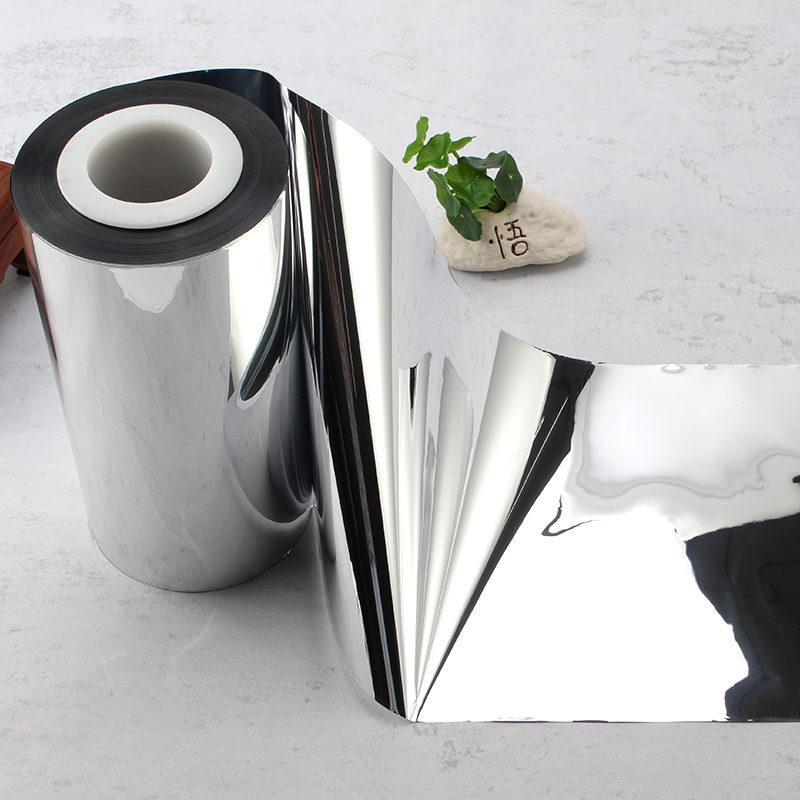
Before processing, remember: this is a two-sided film with very different surfaces.
|
Side |
Characteristic |
Wetting Tension (Typical) |
|---|---|---|
|
Metallized (aluminum) |
Conductive, reflective, sensitive to abrasion |
≥ 48 mN/m |
|
Non-metallized (black PET) |
Matte black, printable after treatment |
≥ 42 mN/m |
Common mistake: Treating both sides identically. The metallized side is fragile — scratches directly affect conductivity and appearance.
Tip: Always identify the metallized side before lamination or coating. A simple conductivity meter or even a multimeter can confirm which side is conductive.
2. Lamination Best Practices
Black PET metallized film is often laminated to other substrates (PE, CPP, paper, foam) for final use.
Recommended Structures
|
Application |
Suggested Laminate Structure |
|---|---|
|
Light-tight pouch |
Black PET (metallized outside) / Adhesive / PE sealant |
|
EMI shielding tape |
Black PET (metallized inside) / Acrylic adhesive / Release liner |
|
Decorative overlay |
Black PET (metallized side bonded to substrate) / Protective topcoat |
Critical Parameters
-
Adhesive type: Solvent-based or solventless laminating adhesives work well. Water-based adhesives may cause oxidation of the aluminum layer if not dried quickly.
-
Temperature: Keep lamination nip temperature below 80°C for thin gauges (12–25 µm) to avoid excessive heat shrinkage. The spec shows MD shrinkage ≤2.5%, TD ≤1.5% — exceeding these can cause curl or wrinkling.
-
Pressure: Moderate pressure (2–4 bar) is sufficient. Excessive pressure can crack the aluminum coating, especially on thinner films.
Common mistake: Using too high temperature or pressure, leading to aluminum cracking ("white spots") or film distortion.
3. Printing Guidelines
Printing on the non-metallized black PET side is common for branding, instructions, or decorative effects.
Ink Compatibility
-
Solvent-based inks: Excellent adhesion after corona treatment (recommended surface energy ≥ 42 mN/m).
-
UV-curable inks: Good adhesion; ensure full cure to avoid ink migration.
-
Water-based inks: Not recommended unless the film is specially treated — poor wet-out and adhesion risk.
Corona Treatment
Even though the spec states ≥42 mN/m for the non-metallized side, always perform a dyne test before printing. If the value drops below 40 mN/m due to aging or storage, re-treat with corona (target 44–48 mN/m).
Common mistake: Skipping corona treatment and blaming ink adhesion failure on the film. The black pigment in PET can sometimes reduce surface energy faster than clear PET.
4. Slitting & Rewinding
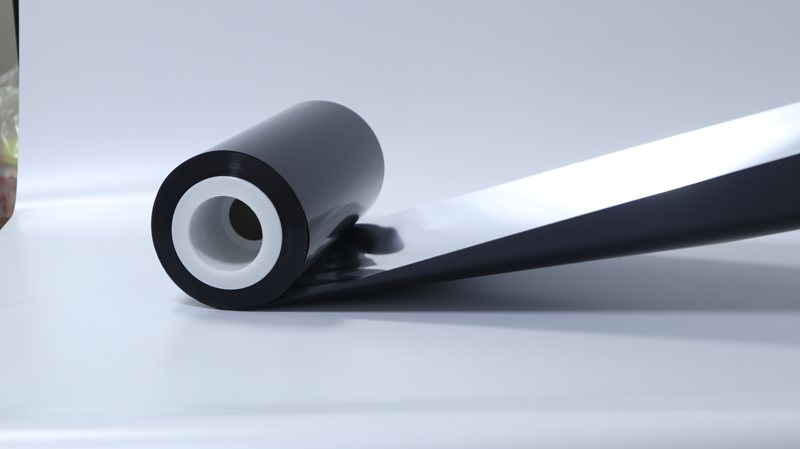
Clean slitting is essential for downstream converting.
-
Blade type: Razor blades for thin gauges (12–25 µm); shear-cut knives for thicker rolls (30–50 µm).
-
Blade sharpness: Replace blades frequently. Dull blades create jagged edges and dust, which can contaminate the metallized surface.
-
Rewind tension: Use lower tension (20–40% of film tensile strength) to avoid stretching or telescoping. The film’s MD tensile strength is ≥140 MPa, but elongation at break is only ≤150% — overstretching leads to permanent deformation.
Common mistake: Using the same slitting parameters as clear PET film. Black PET absorbs more heat during slitting (dark color), which can cause thermal expansion and inconsistent slit width.
5. Storage & Shelf Life
Improper storage is the #1 cause of field failures.
|
Condition |
Requirement |
|---|---|
|
Temperature |
< 30°C |
|
Relative Humidity |
< 60% RH |
|
UV Exposure |
Avoid direct sunlight |
|
Roll Orientation |
Horizontal, supported by core |
|
Max Storage Duration |
6 months from manufacture date |
Why it matters: The aluminum layer can oxidize over time in humid conditions, turning from bright silver to a dull gray. This reduces conductivity and optical reflectivity. The black PET base itself is stable, but the interface between PET and aluminum is vulnerable to moisture ingress.
Common mistake: Storing rolls vertically or near warehouse doors where temperature/humidity fluctuate. Always wrap partially used rolls in vapor barrier film.
6. Quality Checks Before Use
Before committing a roll to production, run these quick tests:
|
Test |
Method |
Acceptable Result |
|---|---|---|
|
Light transmission |
Hold against bright light |
Zero visible light |
|
Conductivity |
Multimeter on metallized side |
Resistance ≤ 2.5 Ω/□ |
|
Wetting tension |
Dyne pens (38, 40, 42, 48 mN/m) |
≥ 48 mN/m (metal side) |
|
Aluminum adhesion |
Tape peel test (ASTM D3359) |
No flaking |
|
Heat shrinkage |
150°C oven, 5 min |
MD ≤2.5%, TD ≤1.5% |
Common mistake: Assuming all rolls within a batch are identical. Always test the first roll from each production lot.
Final Thoughts
Black PET metallized film is a high-performance material, but its unique dual-surface nature demands careful handling. By following the guidelines above — correct side identification, gentle lamination conditions, proper corona treatment, and disciplined storage — you can achieve consistent, high-yield results in your converting process.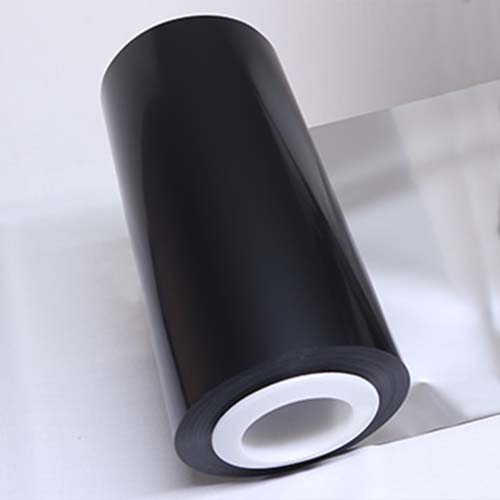
Comment