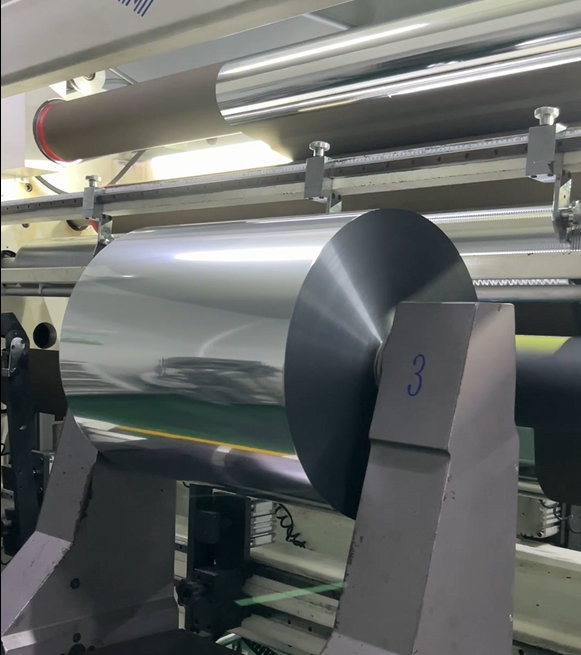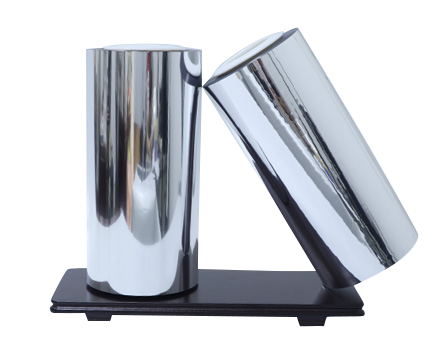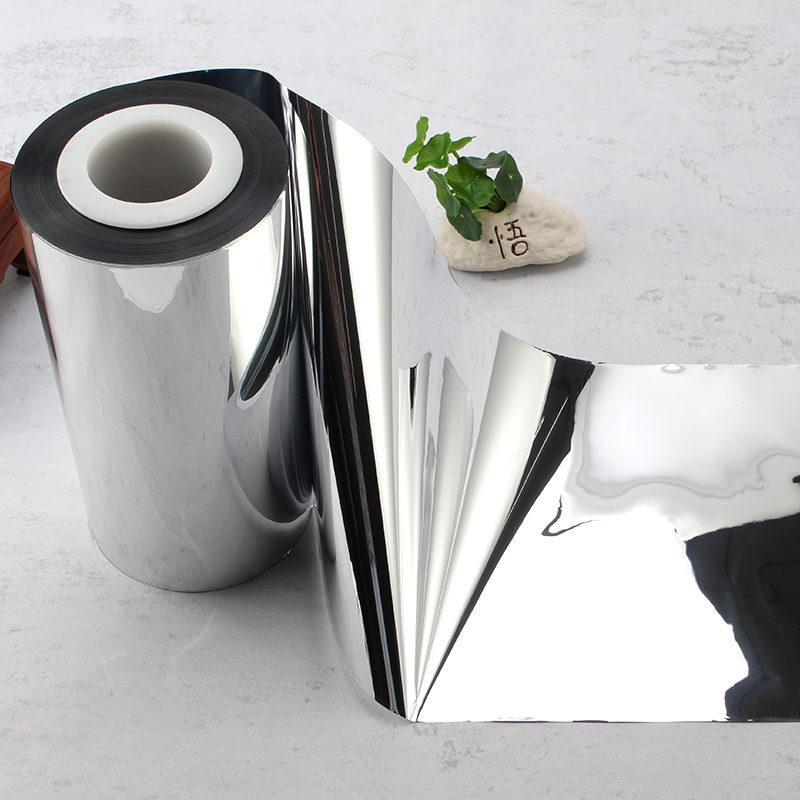
Why Switch to Transparent High Barrier PET AIOx Film? Solving the Top 5 Packaging Headaches
Jul 18,2026 | FOSHAN CAILONG METALLIC PACKAGING MATERIAL CO.,LTD
Every packaging engineer, brand owner, and converter knows the frustration: you choose a “high barrier” material, but it comes with a long list of compromises – poor transparency, delamination during printing, failure in microwaves, humidity‑driven barrier loss, or regulatory red flags. The industry has long been forced to accept trade‑offs. Until now.
Enter the transparent high barrier PET AIOx film – a next‑generation solution engineered to eliminate the most persistent pain points in flexible packaging. Below, we dissect the five biggest headaches that conventional materials cause, and show exactly how our PET AIOx film turns each one into a competitive advantage.
Pain Point #1: Aluminium Foil – Pinholes, Opacity, and Microwave Incompatibility
Aluminium foil has been a go‑to for high barrier, but it is riddled with issues. Foil is inherently opaque – consumers cannot see the product, which hurts brand appeal and impulse buying. Worse, foil is prone to micro‑pinholes that compromise barrier integrity, especially after flexing. And let’s not forget the microwave: foil sparks and is strictly forbidden in microwaveable packaging, forcing consumers to transfer food out – a major convenience killer.
Our transparent high barrier PET AIOx film completely overcomes these drawbacks. It offers equivalent or superior oxygen and moisture barrier without pinhole risks, thanks to its uniform nano‑coating. With light transmittance ≥89%, it delivers crystal‑clear visibility – your product becomes the hero. And yes, this PET AIOx film is microwave‑safe, allowing direct heating, which adds real value for busy consumers. At the same time, it is detectable by metal detectors, a safety feature foil cannot reliably provide. Say goodbye to foil‑related headaches and embrace a transparent, microwaveable high barrier packaging film.
Pain Point #2: EVOH – Humidity Sensitivity and Cost Volatility
Ethylene vinyl alcohol (EVOH) is celebrated for its oxygen barrier – but only in dry conditions. As humidity rises, EVOH’s barrier performance plummets, making it unreliable for moist or fresh foods. Moreover, EVOH prices are notoriously volatile, tied to petrochemical markets, and it requires complex multi‑layer co‑extrusion with tie layers, increasing material waste and recycling difficulty.
The transparent high barrier PET AIOx film offers a robust, humidity‑independent barrier. The inorganic aluminium oxide layer does not swell or lose performance in high‑moisture environments – it remains stable from dry snacks to high‑water‑activity products. And because it is a single‑material PET‑based film (with an ultra‑thin oxide coating), it simplifies recycling compared to multi‑material EVOH structures. Cost‑wise, our PET AIOx film is more predictable and often more economical than EVOH‑based laminates. It is the reliable, cost‑effective alternative to EVOH you have been searching for.
Pain Point #3: PVDC‑Coated Films (KPET, KBOPP, KBOPA) – Regulatory and Disposal Nightmares
PVDC (polyvinylidene chloride) coatings provide good barrier, but they come with a heavy burden. PVDC contains chlorine, which generates toxic by‑products during incineration and complicates recycling. Many brands are under pressure to eliminate halogenated materials due to strict EU, US, and Asian regulations. Additionally, PVDC‑coated films often exhibit haze, reducing clarity, and they can yellow over time.
Our transparent high barrier PET AIOx film is completely halogen‑free and meets FDA, EU, REACH, RoHS, and GB 4806.7 standards – no chlorine, no heavy metals, no controversy. It offers comparable or better barrier than KPET, KBOPP, or KBOPA, with far superior transparency (≥89% light transmittance) and no yellowing. For brands aiming for “green” credentials, switching to this AIOx coated PET is a visible statement of environmental responsibility. It replaces PVDC‑coated materials without sacrificing performance – a true headache reliever.
Pain Point #4: Poor Print Adhesion and Delamination – The Converter’s Frustration
Many oxide‑coated films (like SiO₂ or some AIOx products) have low surface energy, leading to ink peeling, adhesive failure, and costly production stoppages. Converters waste hours adjusting corona treaters, changing inks, and scrapping defective rolls. Even metallized films (VMPET) suffer from poor adhesion due to the metallic layer’s smoothness, and they often leave “dead” areas for cold‑seal applications.
Our transparent high barrier PET AIOx film has been engineered with high Al adhesion – greater than 3.0N/15mm – ensuring excellent anchorage for printing inks and laminating adhesives. The top‑coated version (PET‑AIOx‑T) takes this further, providing an optimized surface for gravure, flexo, and digital printing without extra pretreatment. This means fewer rejects, faster press speeds, and consistent quality. Whether you need fine halftones or solid coverage, the PET AIOx film delivers – and it works seamlessly with both solvent‑based and water‑based systems. Converters can finally breathe easy.
Pain Point #5: VMPET, SiO₂, and Co‑extruded Films – Limited Functionality and High Cost
VMPET (metallized PET) offers some barrier but lacks transparency and is prone to cracking during forming – losing barrier at creases. SiO₂‑coated films are clear but extremely expensive and have brittle coatings that crack under stress. Co‑extruded films (like PA/EVOH/PE) are bulky, difficult to recycle, and demand complex machinery.
Our transparent high barrier PET AIOx film is the universal substitute for all these materials. It replaces VMPET with better clarity and no crack‑related failure; it replaces SiO₂ at a fraction of the cost while delivering comparable or better barrier; and it simplifies packaging structures by allowing mono‑material designs that are recyclable. This high barrier packaging film is also suitable for retort applications (steamed coating series) – something VMPET cannot tolerate. With three models (uncoated, top‑coated, and retort‑grade), you can select the exact variant for food, pharmaceuticals, cosmetics, or electronics, eliminating the need to stock multiple specialty films.
The Cumulative Payoff – A Holistic Solution
When you add up all these pain points, the conventional packaging portfolio looks like a minefield. But switching to our transparent high barrier PET AIOx film consolidates everything into one powerful, reliable, and future‑proof material. Let’s recap the benefits that directly counter each frustration:
-
No more pinholes or opacity – crystal clear, uniform barrier.
-
No more humidity panic – stable OTR/WVTR in all conditions.
-
No more halogen headaches – fully compliant with global food‑contact regulations.
-
No more printing rejects – adhesion >3.0N/15mm for flawless print and lamination.
-
No more microwave bans – safe for reheating, and metal‑detectable for safety.
-
No more multi‑material complexity – replace KPET, KBOPP, VMPET, foil, EVOH, and co‑extrusions with one recyclable PET‑based film.
And it is not just about solving problems – it’s about gaining a competitive edge. Consumers increasingly demand transparency (both visual and ethical). By using a transparent high barrier PET AIOx film, your packaging tells a story of quality, freshness, and environmental care. Regulators smile; your supply chain simplifies; your bottom line improves.
Real‑World Applications – Where Pain Becomes Gain
Consider a premium dried fruit brand that struggled with foil pouches – consumers couldn’t see the product, and the foil broke during shipping, causing staling. Switching to our PET AIOx film boosted sales by 15% due to improved visibility, while reducing returns from stale product.
Or a pharmaceutical company that had to reject an entire batch of blister lidding because VMPET adhesion failed. Our top‑coated PET AIOx‑T passed every peel test, enabling zero‑defect production.
Or a ready‑meal manufacturer that wanted a retortable pouch without EVOH’s moisture issues. Our steamed coating series withstood 121°C retort cycles, delivering perfect barrier and seal integrity.
These are not hypotheticals – our customers have eliminated these pain points and are now enjoying trouble‑free production and happier end‑users.
Conclusion – Stop Compromising, Start Solving
The packaging industry does not have to settle for materials that work in one area but fail in another. The transparent high barrier PET AIOx film is the result of years of R&D focused on understanding and eradicating every common frustration. It is the high barrier packaging film that finally lives up to the promise – combining barrier, clarity, printability, microwaveability, metal detectability, regulatory safety, and recyclability in one elegant solution.
If you are tired of managing a messy portfolio of flawed films – if you want to replace VMPET, EVOH, foil, PVDC, and SiO₂ with a single, superior material – then it is time to test our PET AIOx film. Request your samples today and experience how our uncoated, top‑coated, and steamed grades address your specific needs. Your packaging headaches are over – and your next success story begins with transparent high barrier PET AIOx film.
Comment