Vacuum Metallized Paper vs. Aluminum Foil: The Eco-Friendly Packaging Substitute Gaining Traction in 2025–2030
Jul 07,2026 | FOSHAN CAILONG METALLIC PACKAGING MATERIAL CO.,LTD
What Is Vacuum Metallized Paper?
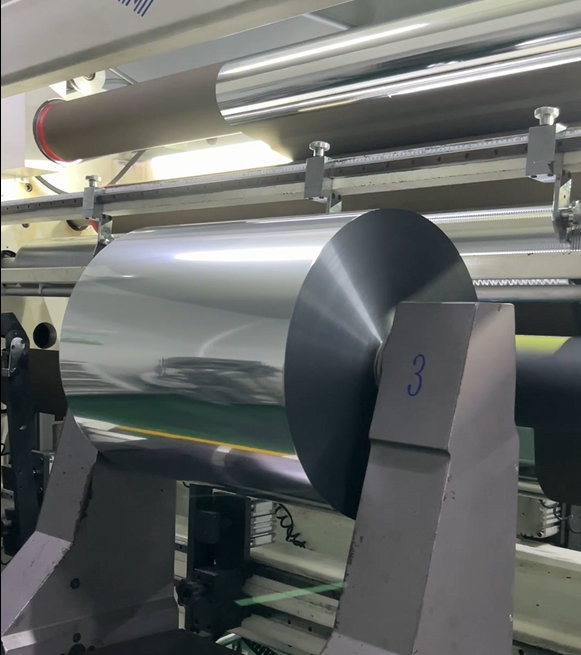
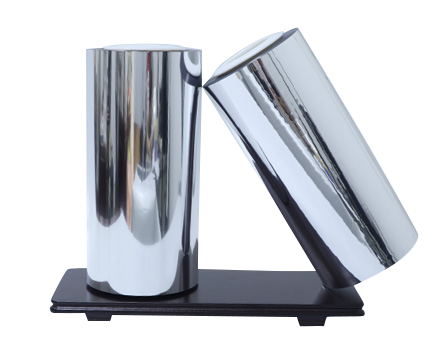
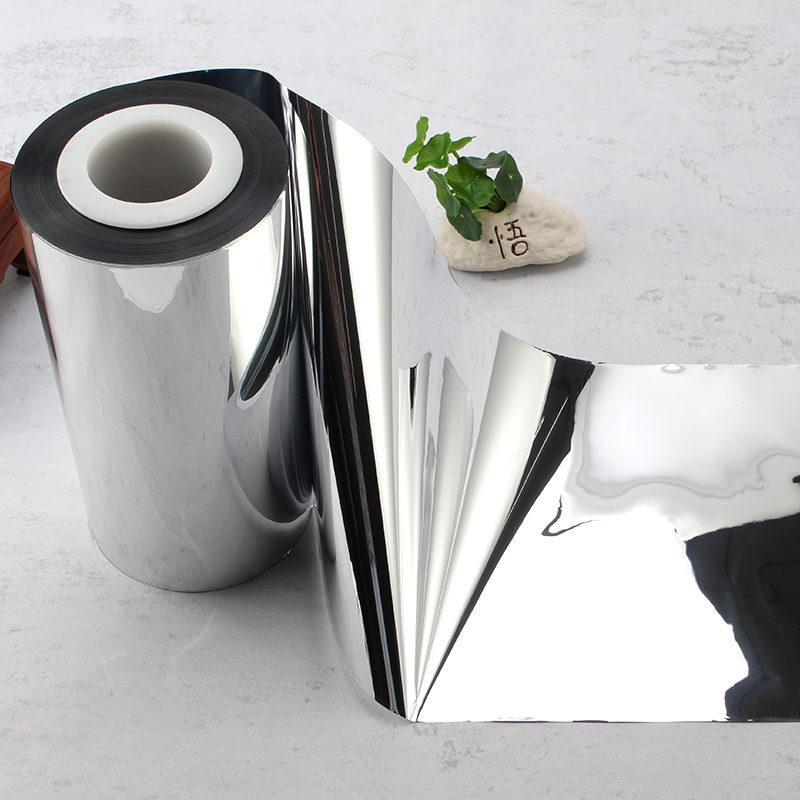
Vacuum metallized paper (also called metallized paper or vacuum-deposited aluminum paper) is a functional packaging substrate produced by evaporating aluminum wire at ~1400°C inside a high-vacuum chamber (>1.33×10² Pa) and depositing a 0.02–0.04 μm ultra-thin aluminum layer onto a paper base.
The result: metallic gloss and barrier properties without the thick aluminum layer of traditional foil laminates.
Quick comparison: traditional aluminum foil paper = 7–10 μm aluminum layer. Vacuum metallized paper = 0.02–0.04 μm. That's a 200× reduction in aluminum consumption per square meter — the single biggest reason brands are switching.
How It's Made: Direct vs. Transfer Method
Two mainstream processes define where each grade fits:
|
Process |
Substrate |
Finish |
Best For |
|---|---|---|---|
|
Direct method (paper-surface metallizing) |
40–120 g/m² coated paper, whiteboard, cardboard |
Dependent on paper smoothness |
Standard liners, labels |
|
Transfer method (film-assisted) |
PET/BOPP carrier → coat → metallize → laminate → peel onto paper |
Smoother, stronger metallic gloss |
Premium cigarette packs, liquor labels, cosmetic cartons |
Transfer-method metallized paper is where the margin is — especially when combined with holographic anti-counterfeiting for liquor and premium tobacco.
Why Brands Are Switching: The 3-Layer Argument
1. Environmental Compliance (the hardest driver)
Aluminum foil-laminated paper has a thick metal layer that makes paper-aluminum separation difficult in recycling streams. Metallized paper is paper-based; the ultra-thin aluminum layer does not interfere with standard paper recycling, and the base sheet is biodegradable. Raw materials are odorless, non-toxic, and can meet U.S. FDA standards — critical for food and pharma.
With EU packaging waste regulations tightening and China's "dual carbon" policy pushing green packaging, metallized paper sits on the right side of regulation.
2. Cost Advantage (the second hardest)
Yes, vacuum coating adds a step. But cutting aluminum usage to 1/200th eliminates several foil-lamination stages. Lighter grammage also reduces freight. For brand owners recalculating TCO, metallized paper increasingly beats foil laminates.
3. Functional Performance (no compromise)
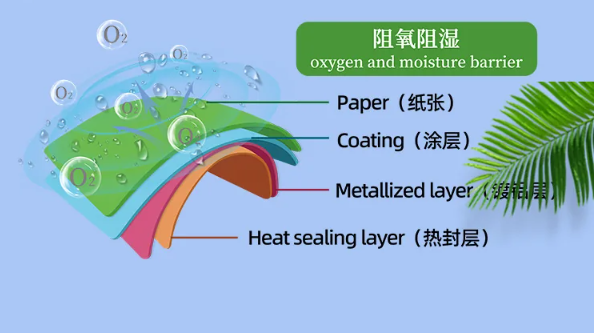
Metallized paper retains paper stiffness and printability while adding:
-
Oxygen barrier
-
Moisture barrier
-
Light blocking
It supports offset, gravure, flexo, hot stamping, embossing, and die-cutting — the full finishing toolkit.
Key Downstream Applications
Tobacco Inner Liner (the base)
Hard-pack cigarette inner liners need rigidity. Metallized board delivers ~2× the fold endurance of foil board — a measurable performance upgrade. China's tobacco packaging market reached RMB 326.38 bn in 2024, growing steadily from RMB 297.74 bn in 2020, and remains the core demand pool for metallized paper.
Food (chocolate, tea, pet food)
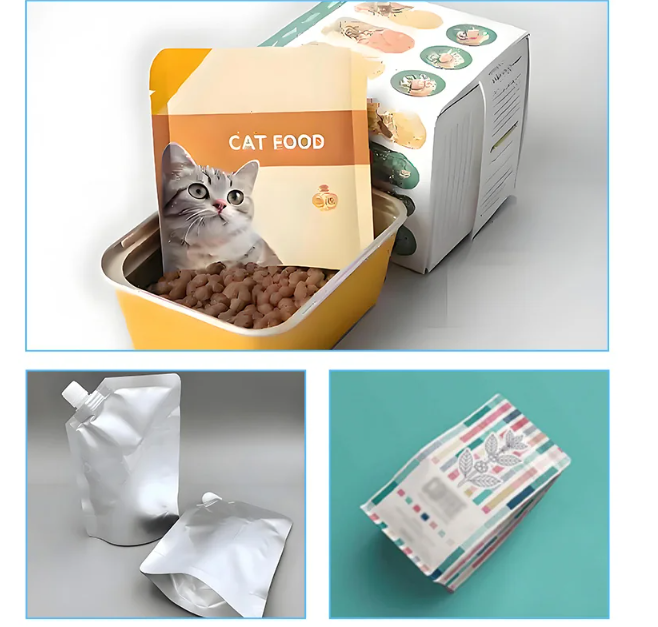
Chocolate (heat/oxygen sensitive) and tea (moisture/light sensitive) are natural fits. Pet food and biscuit wraps are following.
Pharmaceuticals
FDA-compliant grades serve blister outer cards, strip pack wraps, and secondary packaging where hygiene + barrier matter.
Liquor & Cosmetics (holographic premium)
Holographic metallized paper combines dynamic visual effect + anti-counterfeiting — liquor and cosmetics pay a premium here, making it the highest-margin segment in the industry.
Emerging: agriculture mulch, smart-home decorative foil-paper, EV/energy-storage labeling
Still small today, but the "barrier + printable paper" combo travels well beyond traditional packaging.
Market Size: Substitution, Not Just Growth
The China metallized paper market was ~RMB 320 bn in 2024, projected at ~RMB 350 bn in 2025, with some forecasts pointing to >RMB 420 bn by 2030 (CAGR ~5.8%).
Important nuance: this curve is a substitution-rate curve, not a pure new-demand curve. Most of the incremental volume comes from aluminum foil paper being replaced in tobacco, food, and label applications.
Competitive landscape — "one superpower, multiple strong players":
-
Listed leaders: Shunhao (002565.SZ), Xianhe (603733.SH)
-
Regional specialists: Shandong Jinmai, Hengfeng Materials (Zhejiang), Wenzhou Bode, Shandong Dasen
-
Capacity concentrated in East & South China (~60%+ of national output)
The Next Iteration: Water-Based & Plastic-Free
At the 2025 International Plastics & Rubber Exhibition (Shenzhen), water-based metallized paper (plastic-free, fully paper-recyclable) appeared as a signal that the category is evolving within itself:
-
Early gen: solvent-based coating → water-based
-
Composite: paper + plastic carrier → pure paper-based recyclable
For brands exporting to the EU (EPR, CBAM scrutiny), this matters — "recyclable" claims need to withstand audit, and water-based plastic-free metallized paper is the defensible position.
Constraints to Watch
-
Tobacco dependency: basic demand is cigarette inner liners; tighter tobacco control = slower base growth → hence the push into food, pharma, liquor.
-
Raw material volatility: aluminum + wood pulp jointly >60% of COGS; synchronized spikes squeeze midstream.
-
Tech barrier in midstream: vacuum coating equipment, coating formulation, transfer-process know-how — these keep the market "one superpower, multiple strong players" rather than fragmented.
-7.png?w=600&h=400)
FAQ (SEO snippet target)
Q: Is metallized paper recyclable?
A: Yes. Because the aluminum layer is only 0.02–0.04 μm, it does not interfere with standard paper recycling streams. Newer water-based, plastic-free grades go fully into paper recovery.
Q: How does metallized paper compare to aluminum foil paper on barrier?
A: For most dry/grease-barrier applications (tobacco inner liner, chocolate wrap, tea pouch), metallized paper delivers comparable OTR/WVTR performance with 1/200th the aluminum. For extreme retort or high-moisture applications, foil still leads.
Q: What is holographic metallized paper used for?
A: Premium liquor labels, tobacco tax stamps, cosmetic cartons — anywhere brands want metallic gloss + anti-counterfeiting in one substrate.
Conclusion
Vacuum metallized paper isn't winning on "disruptive性能." It's winning on a cost-environment scissors gap — 1/200th the aluminum, regulatory tailwinds, and a tobacco-to-food-to-cosmetics substitution wave that's still early. For suppliers, the margin is in holographic, water-based, and transfer-method grades. For brand owners, it's a rare case where ESG, cost, and performance align.
Comment