Transparent Barrier Innovation: Why Cailong BOPP-SiOx-TZ Is a Game-Changer for Retort and Eco-Friendly Packaging
Jun 21,2026 | FOSHAN CAILONG METALLIC PACKAGING MATERIAL CO.,LTD
Beyond the Numbers: What This Film Really Means for the Industry
The previous analysis of Cailong BOPP-SiOx-TZ focused on its technical data sheet — the precise measurements of thickness, tensile strength, barrier rates, and coating uniformity. But numbers alone don't tell the full story. To understand why this film matters, we need to look at the bigger picture: the converging pressures of consumer preference, regulatory change, and manufacturing economics that make BOPP-SiOx technology increasingly indispensable.
Three Industry Trends That Favor BOPP-SiOx-TZ
1. The Rise of Retort-Ready Convenience Foods
Global demand for shelf-stable, ready-to-eat meals has surged post-pandemic. These products require packaging that can withstand 121°C steam sterilization without delaminating or losing barrier properties. Traditional solutions rely on aluminum foil laminates, but foil has drawbacks: it blocks visibility, cannot be microwaved, and complicates recycling.
Cailong BOPP-SiOx-TZ fills this gap perfectly. Its certified retort capability (121°C for 30 minutes) means it can replace foil in applications like:
-
Curry and soup pouches
-
Cooked rice packages
-
Pet food trays
-
Baby food containers
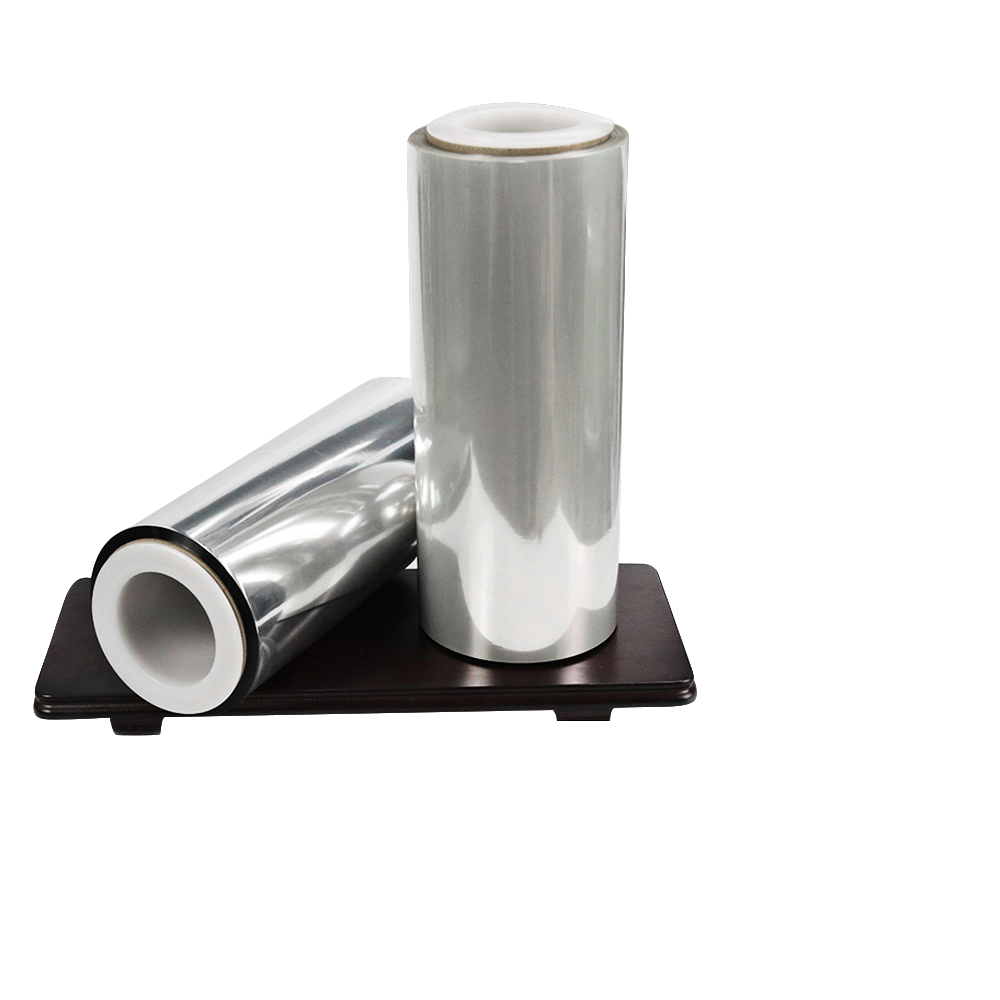
And because the film is fully transparent, brands can showcase the product inside — a powerful marketing advantage on crowded retail shelves.
2. The Push for Mono-Material Recyclability
European regulations (such as PPWR) and corporate sustainability pledges are driving a shift away from multi-material laminates. Aluminum foil, when combined with plastic layers, creates a structure that is nearly impossible to recycle mechanically. The ideal solution is a mono-material all-polypropylene structure.
The recommended laminate BOPP // BOPP-SiOx-TZ // RCPPconsists entirely of polypropylene-based materials (the SiOx coating is nanoscale and does not disrupt the polymer matrix). This means the entire package can potentially be collected and recycled in existing PP recycling streams — a huge win for brand owners looking to meet circular economy targets.
3. Consumer Demand for Visible, Fresh-Looking Packaging
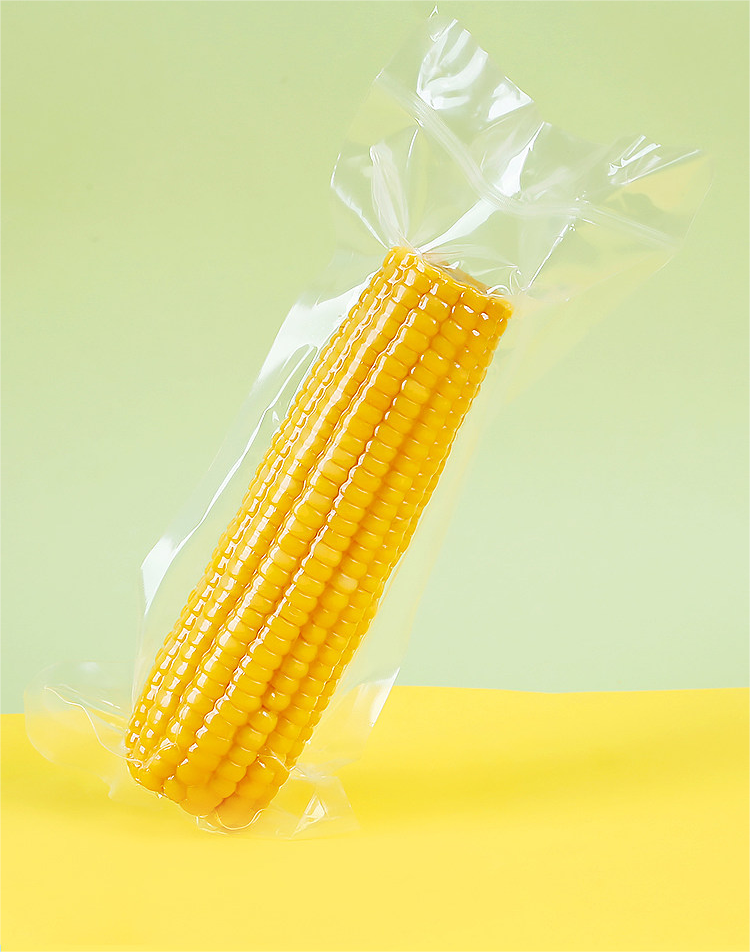
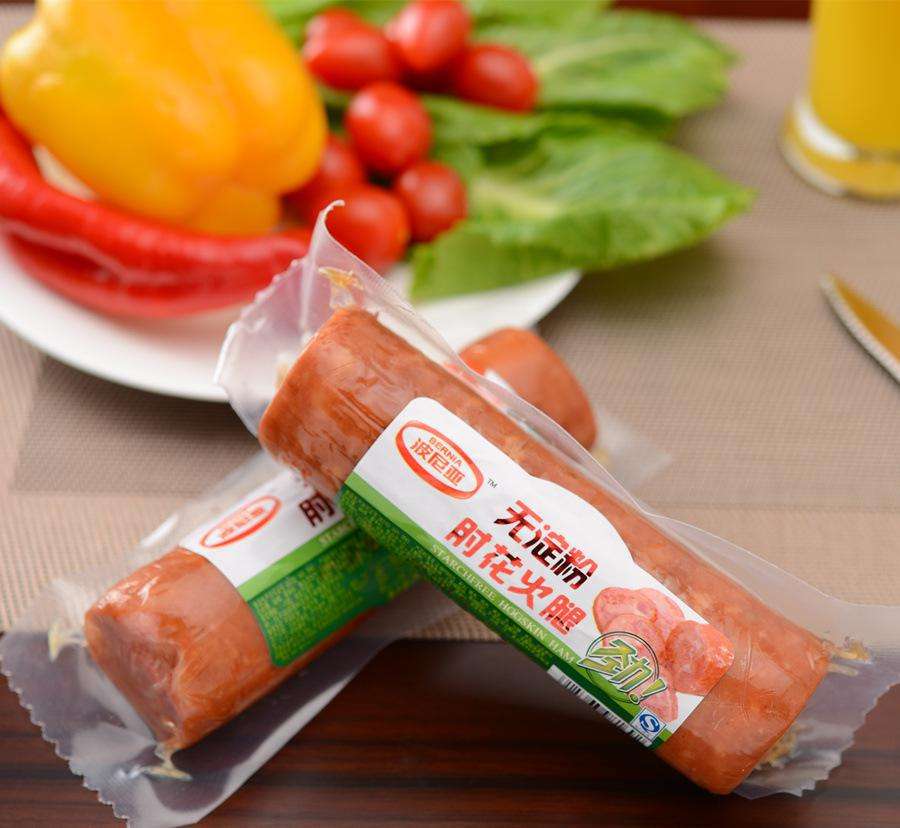
In categories like nuts, coffee, dried fruits, and premium snacks, consumers want to see what they are buying. Opaque foil packs communicate "long shelf life" but sacrifice visual appeal. Clear barrier films historically struggled to match foil's oxygen protection. BOPP-SiOx-TZ changes that: with an OTR of just 0.35 cc/m²·day, it rivals foil while maintaining crystal clarity.
Competitive Advantages Over Alternative Technologies
|
Technology |
OTR (cc/m²·day) |
Transparency |
Retort Capable |
Recyclability |
|---|---|---|---|---|
|
Aluminum foil laminate |
~0.1–0.5 |
No |
Yes |
Poor |
|
EVOH-based clear film |
~0.5–3 |
Yes |
Limited |
Moderate |
|
PVDC-coated film |
~1–5 |
Yes |
Sometimes |
Challenging |
|
Cailong BOPP-SiOx-TZ |
0.35 |
Yes |
Yes (121°C) |
Excellent (all-PP) |
The table shows that BOPP-SiOx-TZ occupies a unique sweet spot: it matches foil on barrier and retort performance, yet offers transparency and recyclability that foil cannot provide.
Manufacturing Excellence: Why 2% Uniformity Matters
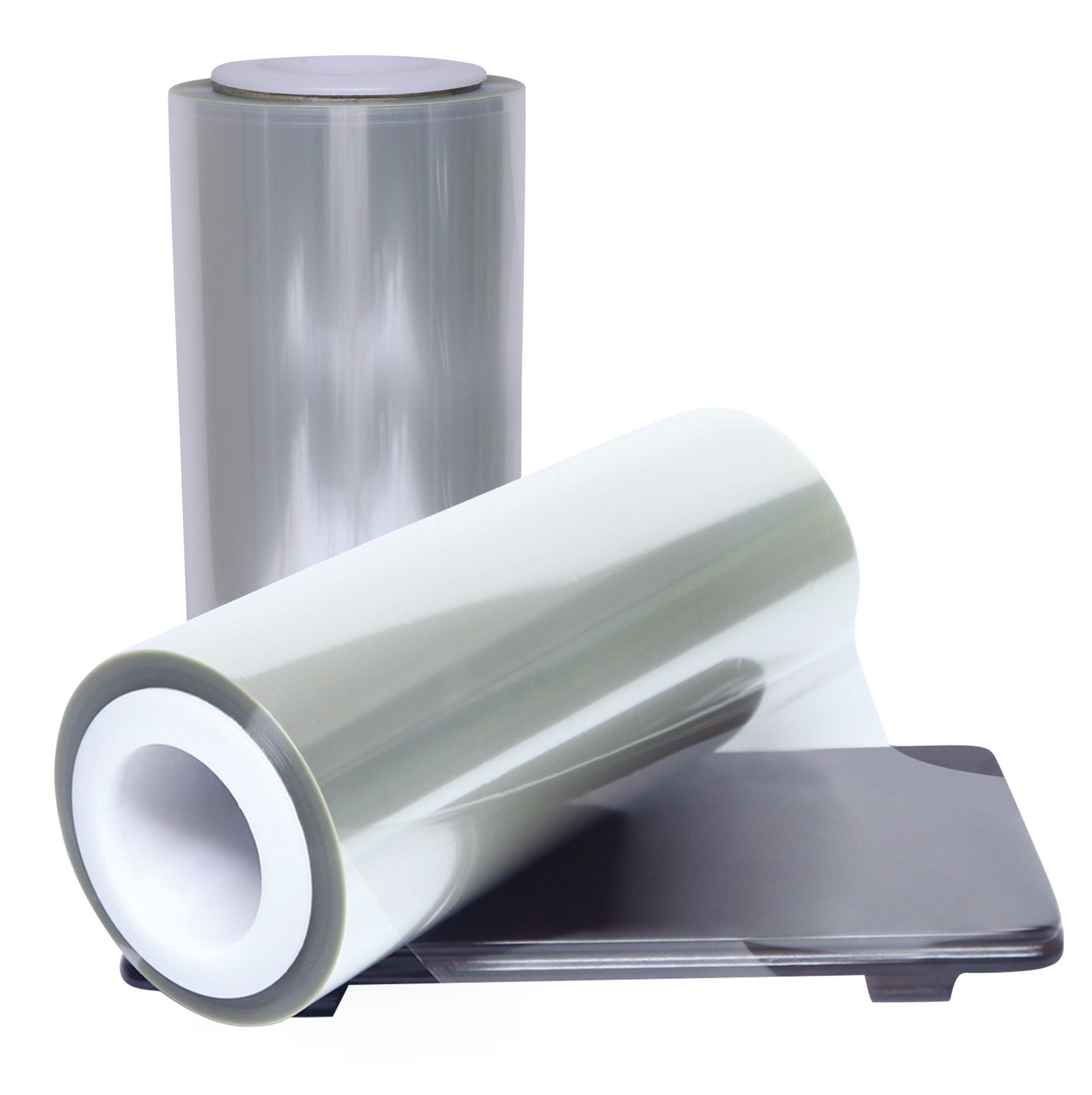
One often-overlooked metric is the SiOx layer uniformity of ±2% — far tighter than the ±10% standard. In practical terms, this means:
-
Consistent barrier performance across the entire roll width and length
-
Fewer rejected sections during converting
-
Predictable behavior in lamination and printing
For converters, this translates into higher yield and lower waste. For brand owners, it means every package meets the same shelf-life specification — critical for compliance and consumer trust.
Practical Implementation Considerations
While the film itself is technically impressive, successful adoption requires attention to a few process details:
-
Lamination tension: Because the SiOx layer is ceramic-like, excessive web tension can create micro-cracks that degrade barrier. Converters should work with moderate tension levels and use adhesives formulated for SiOx surfaces.
-
Sealant selection: Not all RCPP grades are created equal. The inner sealant must be retort-grade and matched to the specific temperature and time profile of the sterilization process.
-
Storage and handling: The film should be kept in its original packaging until use to protect the SiOx layer from moisture and physical damage.
Cailong’s technical team typically provides processing guidelines to help customers optimize their lines — a valuable resource for first-time users.
Market Outlook
As of mid-2026, the transparent high-barrier film market is growing at an estimated 8–12% annually, driven by food safety regulations, e-commerce packaging demands, and sustainability mandates. BOPP-SiOx-TZ is well-positioned to capture share in:
-
Asia-Pacific: Rapid expansion of convenience food and pet food markets
-
Europe: Regulatory push for recyclable packaging
-
North America: Brand differentiation through premium transparent packaging
The fact that Cailong already offers a retort-certified version gives it a head start over many competitors who focus only on ambient-temperature barrier applications.
Final Thoughts
Cailong BOPP-SiOx-TZ is not just another barrier film — it is a strategic enabler for brands navigating the complex trade-offs between shelf life, aesthetics, sustainability, and cost. By delivering foil-level barrier performance in a transparent, recyclable, and retort-capable format, it addresses the most pressing needs of today’s flexible packaging industry.
Comment