0.03 Microns vs. 7 Microns: How Vacuum Metallized Paper Is Displacing Traditional Aluminum Foil in Packaging
Jul 03,2026 | FOSHAN CAILONG METALLIC PACKAGING MATERIAL CO.,LTD
Start with one stark comparison:
-
Traditional aluminum foil laminated paper: aluminum layer thickness 7–10 μm
-
Vacuum metallized paper: aluminum layer thickness 0.02–0.04 μm
That means metallized paper uses only 1% to 5% of the aluminum — in other words, foil paper consumes more than 200 times the aluminum per square meter. When you stack high aluminum prices, carbon neutrality targets, and plastic bans on top of each other, brands are finally doing the math.
The Core Process: Vacuum Evaporation Is the Key
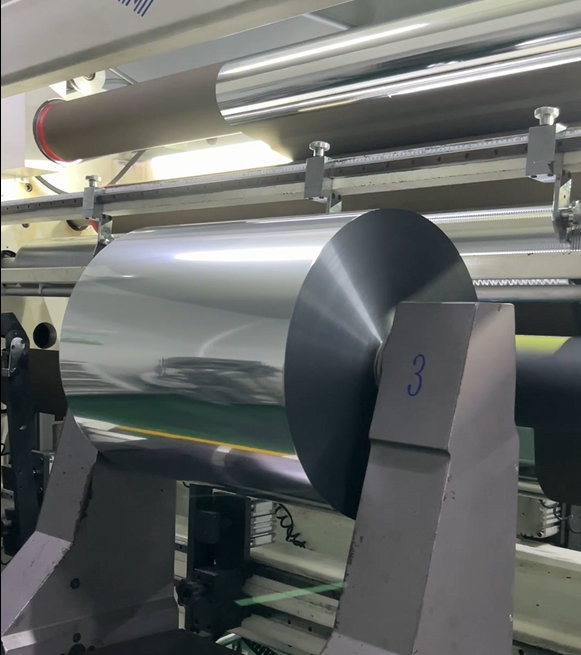
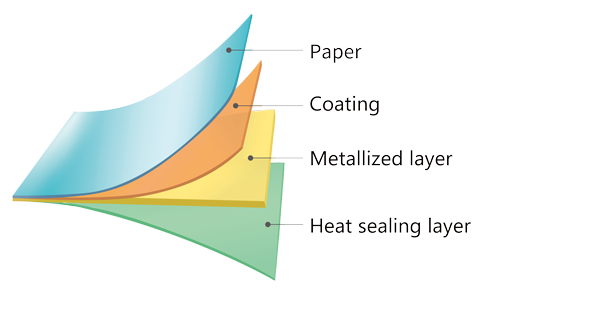
Metallized paper (also called vacuum metallized paper or evaporated aluminum paper) is made in a high-vacuum chamber above 1.33×10² Pa. An aluminum wire is heated to roughly 1400°C by resistance, induction, or electron beam, turning it into vapor. The vapor condenses onto a paper substrate (or a PET/BOPP transfer film) to form an ultra-thin layer of 0.02–0.04 μm. The final structure consists of base paper + functional coating + aluminum layer.
Two mainstream processes determine where each type fits:
|
Aspect |
Direct Method (Paper-Based) |
Transfer Method (Film-Based) |
|---|---|---|
|
Substrate |
40–120 g/m² coated paper, whiteboard, cardboard |
PET/BOPP film as carrier, then transferred to paper |
|
Aluminum finish |
Affected by paper smoothness |
Smoother, higher metallic gloss |
|
Best suited for |
Standard liners, labels |
Premium cigarette packs, liquor labels, cosmetic boxes |
The Substitution Logic: Three Ledgers Add Up
① Environmental ledger — the hardest argument
Aluminum foil composite paper has a thick metal layer that makes paper-aluminum separation difficult and recycling rates low. Metallized paper is paper-based; after disposal, it can go through standard paper recycling streams. The ultra-thin aluminum layer barely interferes with degradation. Raw materials are odorless and non-toxic, meeting U.S. FDA standards — a prerequisite for pharmaceutical and food packaging.
② Cost ledger — the second hardest
Yes, there is an extra vacuum coating step. But cutting aluminum usage to 1/200th eliminates several downstream lamination steps. Lighter weight also reduces transportation costs. Total cost of ownership (TCO) now favors metallized paper over foil composites.
③ Functional ledger — no compromise
Metallized paper retains the stiffness and flexibility of paper while adding the oxygen barrier, moisture barrier, and light-blocking properties of aluminum. That combination suits chocolate, tea, pharmaceuticals — anything sensitive to oxygen, humidity, or UV. Surface smoothness supports offset, gravure, and flexo printing, plus hot stamping, dot patterns, embossing, die-cutting, and debossing — the full finishing toolkit.
Downstream Applications: Tobacco Is the Base, Food and Liquor Labels Are the Growth
Cigarette inner liners — the classic replacement case
Hard-pack cigarette inner liners require certain rigidity. Metallized paper board offers twice the folding endurance of aluminum foil composite board — a tangible performance upgrade. Gloss, smoothness, and printability match the "premium feel" demanded by cigarette packaging. China's tobacco packaging market stood at 326 billion RMB in 2024 and has grown steadily, forming the bedrock for metallized paper.
Food — chocolate and tea lead the way
Chocolate hates heat and oxygen; tea hates moisture and light. Metallized paper's high barrier plus printability fits perfectly. Pet food and biscuits are starting to switch too.
Pharmaceuticals — FDA compliance is the ticket
For hygiene and barrier sensitivity, metallized paper passes entry requirements with non-toxic raw materials combined with oxygen/light blocking.
Liquor labels & cosmetics — high-margin anti-counterfeiting territory
Metallized paper can carry holographic anti-counterfeiting patterns, combining dynamic visual effects with security. Liquor and cosmetics pay a premium for this. It is the highest-margin segment in the industry.
New Trend: Water-Based Metallization and Recyclability Take Another Step Forward
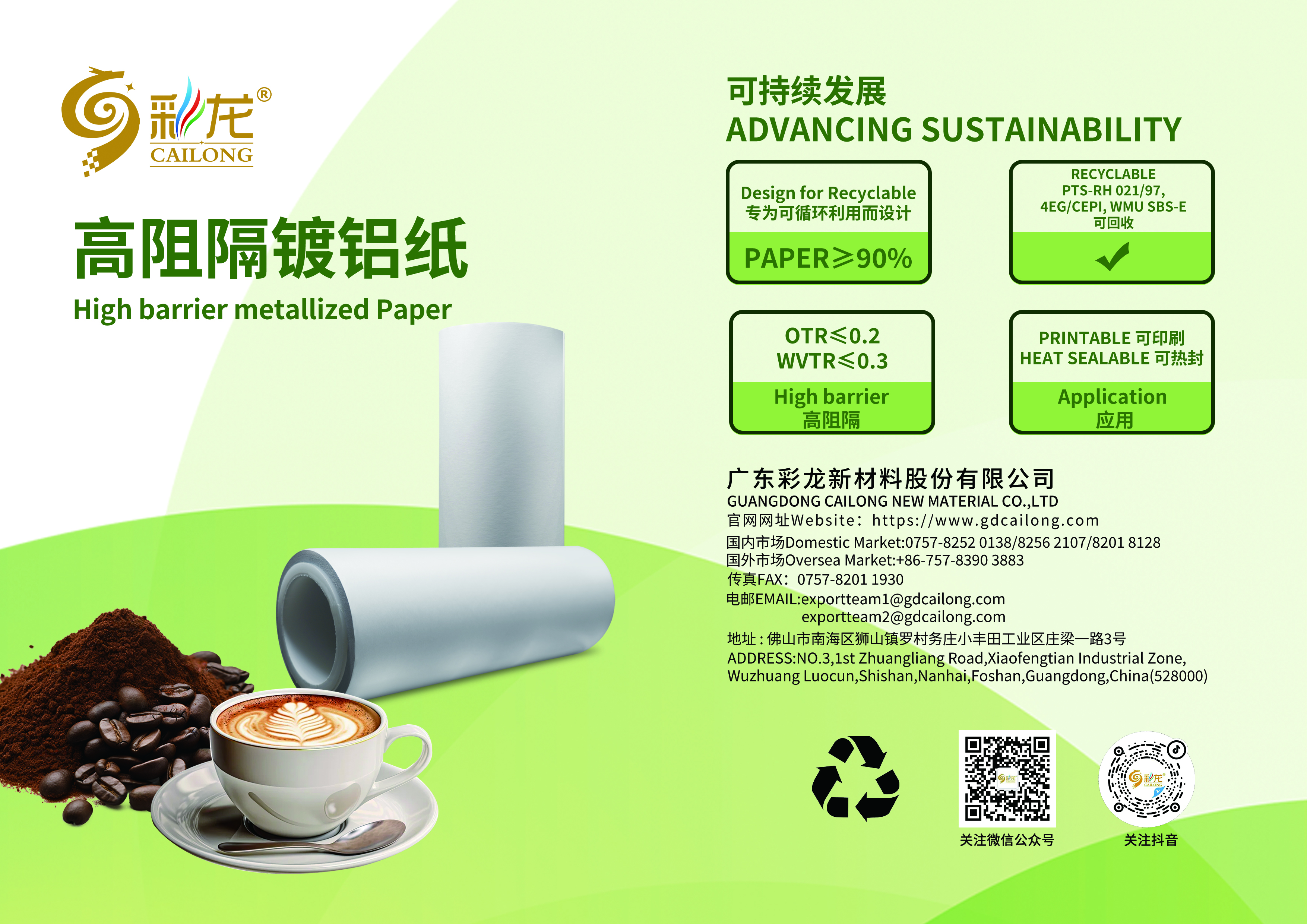
At the 2025 International Plastics and Rubber Exhibition in Shenzhen, a signal came from Calong New Materials' "eco-friendly metallized paper" — water-based metallization technology + zero plastic layers. This allows direct entry into paper recycling systems instead of facing the old "hard-to-separate paper-aluminum composite" problem. Metallized paper is evolving from "greener than aluminum foil" to internal generational upgrades: early solvent-based → water-based; plastic-containing composite → pure paper-based recyclable.
This iteration is critical for brands exporting to the EU, where Extended Producer Responsibility (EPR) and the Carbon Border Adjustment Mechanism (CBAM) are tightening. Recyclability claims must withstand audits.
Constraints That Can't Be Ignored
-
High tobacco dependence: The base is cigarette packaging. If tobacco control policies tighten further, industry growth will suffer. That's why leading players are diversifying into food, liquor labels, and pharmaceuticals.
-
Dual raw-material volatility: If aluminum and wood pulp prices rise simultaneously, midstream players with over 60% cost exposure get squeezed from both sides.
-
Technology threshold in midstream: Vacuum coating equipment, coating formulations, and transfer process know-how create barriers for smaller firms. This explains the "one superpower, multiple strong players" landscape and the concentration of capacity in East and South China coastal regions.
Comment